


ارتفع معدل التضخم في بريطانيا بشكل غير متوقع إلى أعلى مستوى له منذ يناير 2024 مع ارتفاع أسعار المواد الغذائية، مما يُبقي بعض الضغط على بنك إنجلترا الذي يتطلع إلى مواصلة خفض أسعار الفائدة.
وأعلن مكتب الإحصاءات الوطنية، اليوم (الأربعاء)، أن معدل تضخم أسعار المستهلك ارتفع إلى 3.6% في يونيو من 3.4% سابقاً. وكان هذا أعلى من القراءة الثابتة التي توقعها الاقتصاديون وبنك إنجلترا.
وارتفع الجنيه الإسترليني بنسبة 0.2% ليصل إلى 1.3412 دولار أمريكي عقب صدور البيانات، وفق وكالة «بلومبرغ».
وصرح كبير الاقتصاديين بالإنابة في مكتب الإحصاءات الوطنية ريتشارد هايز: «ارتفع معدل التضخم في يونيو مدفوعاً بشكل رئيسي بأسعار وقود السيارات التي انخفضت بشكل طفيف فقط، مقارنةً بانخفاض أكبر بكثير في هذا الوقت من العام الماضي».
ورغم أن معدل التضخم الإجمالي جاء أعلى بكثير من هدف «بنك إنجلترا» البالغ 2%، توقع البنك أن تكون الزيادات الأخيرة قصيرة الأجل وأن تبدأ في الانعكاس بحلول نهاية العام، ويرجع ذلك جزئياً إلى أن التباطؤ الاقتصادي الأخير- بما في ذلك ضعف سوق العمل- من المرجح أن يُبطئ وتيرة زيادات أسعار المستهلك.
واستقر تضخم قطاع الخدمات عند 4.7%، وهو معدل أعلى من المتوقع، وارتفعت أسعار المواد الغذائية والمشروبات غير الكحولية بنسبة 4.5%.
أشار محافظ «بنك إنجلترا»، أندرو بيلي، إلى أن المزيد من تخفيضات أسعار الفائدة مقبلة بعد الانخفاضات الحادة في التوظيف منذ أن فرضت حكومة حزب العمال ضرائب أعلى على الرواتب ورفعت الحد الأدنى للأجور على الشركات في أبريل. وفي وقت سابق من هذا الأسبوع، ألمح إلى تخفيضات أكبر في حال تدهور سوق العمل.
ويقدر المتداولون احتمالات خفض الفائدة بمقدار ربع نقطة مئوية في اجتماع لجنة السياسة النقدية القادم في 7 أغسطس بنحو 90%، ويتوقعون خفضاً آخر بنهاية العام.
التضخم في بريطانيا يفوق التوقعات ويسجل 3.6% خلال يونيو
16 يوليو 2025 - 15:40
|
آخر تحديث 16 يوليو 2025 - 15:40
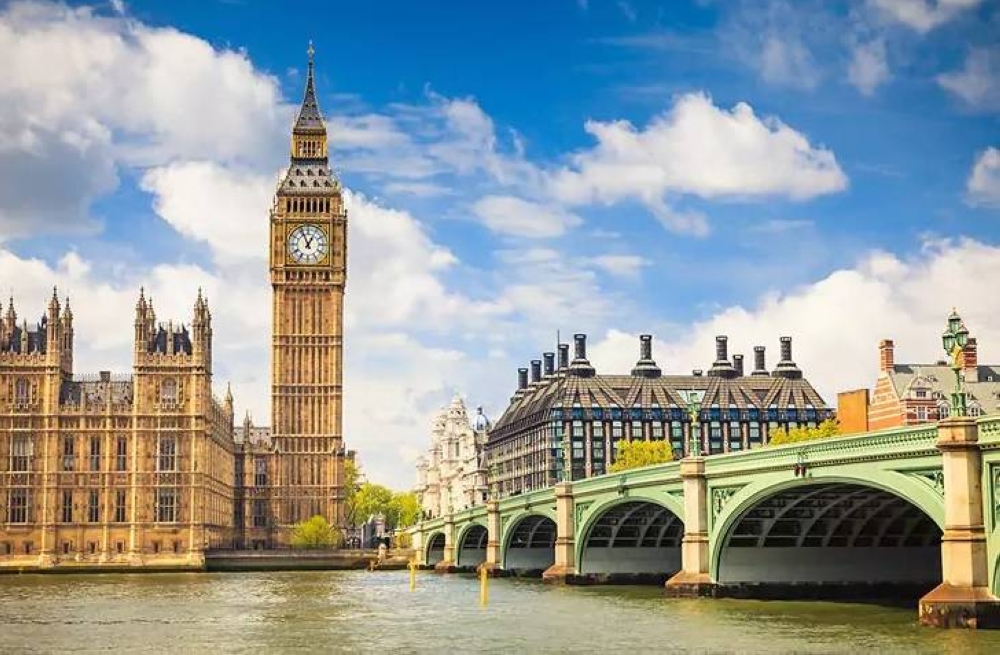
أسعار وقود السيارات ساهمت في ارتفاع التضخم في بريطانيا (متداولة)


تابع قناة عكاظ على الواتساب
«عكاظ» (لندن) @okaz_online
The inflation rate in Britain unexpectedly rose to its highest level since January 2024, driven by rising food prices, which keeps some pressure on the Bank of England as it looks to continue lowering interest rates.
The Office for National Statistics announced today (Wednesday) that the consumer price inflation rate rose to 3.6% in June from 3.4% previously. This was higher than the steady reading anticipated by economists and the Bank of England.
The British pound rose by 0.2% to reach 1.3412 US dollars following the release of the data, according to Bloomberg.
Richard Hayes, the acting chief economist at the Office for National Statistics, stated: "The inflation rate in June was primarily driven by fuel prices, which fell only slightly compared to a much larger decline at this time last year."
Although the overall inflation rate came in well above the Bank of England's target of 2%, the bank expects the recent increases to be short-lived and to start reversing by the end of the year, partly due to the recent economic slowdown—including a weak labor market—that is likely to slow the pace of consumer price increases.
Inflation in the services sector remained at 4.7%, which is higher than expected, and prices for food and non-alcoholic beverages rose by 4.5%.
Bank of England Governor Andrew Bailey indicated that further interest rate cuts are forthcoming after sharp declines in employment since the Labour government imposed higher payroll taxes and raised the minimum wage for businesses in April. Earlier this week, he hinted at larger cuts if the labor market deteriorates.
Traders estimate the chances of a quarter-point interest rate cut at the next Monetary Policy Committee meeting on August 7 at about 90%, and they expect another cut by the end of the year.
The Office for National Statistics announced today (Wednesday) that the consumer price inflation rate rose to 3.6% in June from 3.4% previously. This was higher than the steady reading anticipated by economists and the Bank of England.
The British pound rose by 0.2% to reach 1.3412 US dollars following the release of the data, according to Bloomberg.
Richard Hayes, the acting chief economist at the Office for National Statistics, stated: "The inflation rate in June was primarily driven by fuel prices, which fell only slightly compared to a much larger decline at this time last year."
Although the overall inflation rate came in well above the Bank of England's target of 2%, the bank expects the recent increases to be short-lived and to start reversing by the end of the year, partly due to the recent economic slowdown—including a weak labor market—that is likely to slow the pace of consumer price increases.
Inflation in the services sector remained at 4.7%, which is higher than expected, and prices for food and non-alcoholic beverages rose by 4.5%.
Bank of England Governor Andrew Bailey indicated that further interest rate cuts are forthcoming after sharp declines in employment since the Labour government imposed higher payroll taxes and raised the minimum wage for businesses in April. Earlier this week, he hinted at larger cuts if the labor market deteriorates.
Traders estimate the chances of a quarter-point interest rate cut at the next Monetary Policy Committee meeting on August 7 at about 90%, and they expect another cut by the end of the year.


