


حددت مؤسسة «أكسفورد إيكونوميكس» في تحليل لها ثلاثة سيناريوهات لصدمة محتملة في إمدادات النفط.
وتضمن السيناريو الأول افتراض التهدئة مع فرض عقوبات مشددة على إيران، ما يؤدي إلى انخفاض إنتاج إيران بنحو 700 ألف برميل يومياً، وهذا سيؤدي إلى ارتفاع سعر برنت إلى 75 دولاراً للبرميل.
وفي هذا السيناريو، فالمتوقع أن يكون التأثير على النمو العالمي بحدود 0.1 نقطة مئوية فقط، ليبقى عند 2.4% هذا العام والعام القادم، أما التضخم فسيرتفع بنسبة طفيفة بـ0.2 نقطة مئوية في 2026، ولا يُتوقع أن يؤثر على توجهات الفائدة من البنوك المركزية.
أما السيناريو الثاني فيتضمن توقفاً كاملاً للإنتاج الإيراني، بفقدان 3.4 مليون برميل يومياً، وحينها سيصل سعر برنت إلى 90 دولاراً، ويبقى عند هذا المستوى حتى نهاية 2026، أما التضخم العالمي سيرتفع من 3.5% ليصل إلى ذروته عند 4.5% بنهاية 2025 وبداية 2026، وسيكون التضخم في الولايات المتحدة عند 4.5% وأقل في منطقة اليورو عند 2.6%.
ووفق هذا السيناريو سيتراجع النمو العالمي إلى 2.3%، مع تراجع محدود في الاقتصاد الأمريكي بنحو 0.2% بفضل كونه منتجاً رئيسياً للنفط.
وتوقع السيناريو الثالث للتحليل، إغلاق مضيق هرمز من جانب إيران، مما يعطل صادرات النفط من دول الخليج، وحينها يقفز سعر خام برنت إلى 130 دولاراً للبرميل قبل أن يتراجع جزئياً عند إعادة فتح المضيق، وسيصل التضخم العالمي والأمريكي إلى 6%، بينما في منطقة اليورو يصل إلى 3.7%.
وتقدر المؤسسة في هذا السيناريو تراجع النمو العالمي إلى 2.3% في 2025، و2.2% في 2026، وأقل من التوقعات الأساسية بـ0.3 نقطة مئوية، وحينها سيتم تأجيل خفض الفائدة بسبب ارتفاع التضخم، مع احتمال لخفض أكثر حدة في 2026 إذا ثبت تراجع الضغوط التضخمية الأساسية.
وخلص التحليل إلى أنه حتى في السيناريوهات المتطرفة، يبقى تأثير صدمة الأسعار على النمو الاقتصادي العالمي محدوداً نسبياً، والمخاطر التضخمية هي العامل الحاسم في قرارات البنوك المركزية، والاقتصاد الأمريكي أكثر صموداً مقارنة بمنطقة اليورو.
تقرير: 3 سيناريوهات محتملة لإمدادات النفط
17 يونيو 2025 - 16:46
|
آخر تحديث 17 يونيو 2025 - 16:46
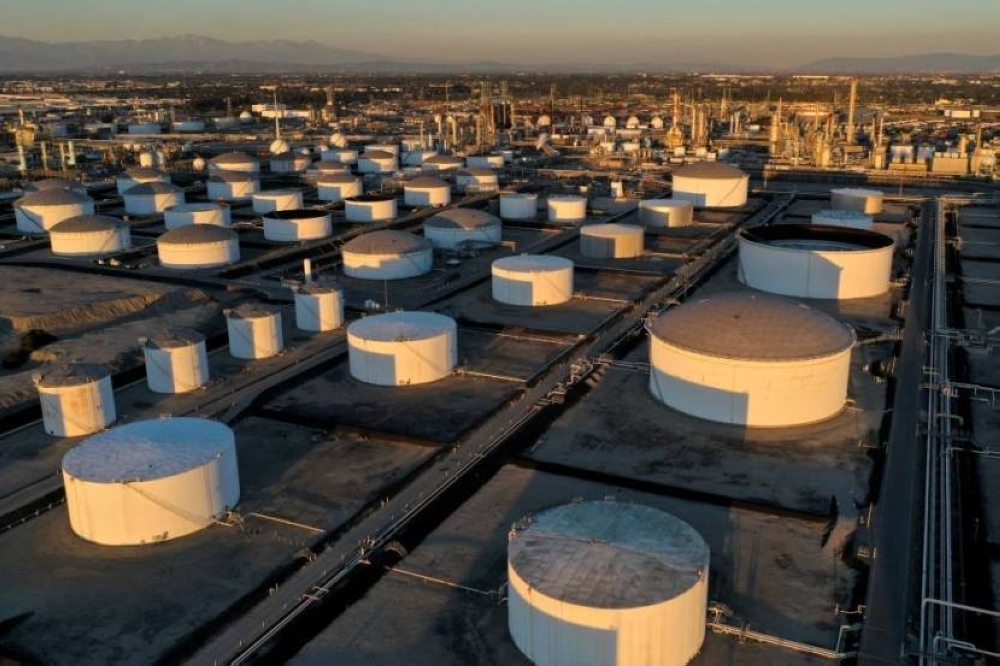
التقرير توقع تأثيرات محدودة في كل السيناريوهات (متداولة)


تابع قناة عكاظ على الواتساب
«عكاظ» (واشنطن) @okaz_online
The "Oxford Economics" institution identified three scenarios for a potential shock in oil supplies in its analysis.
The first scenario assumes a de-escalation with strict sanctions imposed on Iran, leading to a decrease in Iran's production by about 700,000 barrels per day, which would cause Brent prices to rise to $75 per barrel.
In this scenario, the expected impact on global growth is around 0.1 percentage points only, remaining at 2.4% this year and next year. Inflation is expected to rise slightly by 0.2 percentage points in 2026, and it is not anticipated to affect the interest rate trends of central banks.
The second scenario includes a complete halt of Iranian production, resulting in a loss of 3.4 million barrels per day, at which point Brent prices would reach $90 and remain at this level until the end of 2026. Global inflation would rise from 3.5% to peak at 4.5% by the end of 2025 and the beginning of 2026, with inflation in the United States at 4.5% and lower in the Eurozone at 2.6%.
According to this scenario, global growth would decline to 2.3%, with a limited contraction in the U.S. economy of about 0.2% due to its status as a major oil producer.
The third scenario predicted the closure of the Strait of Hormuz by Iran, disrupting oil exports from Gulf countries, at which point Brent crude would jump to $130 per barrel before partially retreating upon the reopening of the strait. Global and U.S. inflation would reach 6%, while in the Eurozone it would reach 3.7%.
The institution estimates that in this scenario, global growth would decline to 2.3% in 2025 and 2.2% in 2026, which is 0.3 percentage points lower than the baseline forecasts. Consequently, interest rate cuts would be delayed due to rising inflation, with a possibility of a sharper cut in 2026 if core inflationary pressures prove to be easing.
The analysis concluded that even in extreme scenarios, the impact of price shocks on global economic growth remains relatively limited, and inflationary risks are the decisive factor in central bank decisions, with the U.S. economy being more resilient compared to the Eurozone.
The first scenario assumes a de-escalation with strict sanctions imposed on Iran, leading to a decrease in Iran's production by about 700,000 barrels per day, which would cause Brent prices to rise to $75 per barrel.
In this scenario, the expected impact on global growth is around 0.1 percentage points only, remaining at 2.4% this year and next year. Inflation is expected to rise slightly by 0.2 percentage points in 2026, and it is not anticipated to affect the interest rate trends of central banks.
The second scenario includes a complete halt of Iranian production, resulting in a loss of 3.4 million barrels per day, at which point Brent prices would reach $90 and remain at this level until the end of 2026. Global inflation would rise from 3.5% to peak at 4.5% by the end of 2025 and the beginning of 2026, with inflation in the United States at 4.5% and lower in the Eurozone at 2.6%.
According to this scenario, global growth would decline to 2.3%, with a limited contraction in the U.S. economy of about 0.2% due to its status as a major oil producer.
The third scenario predicted the closure of the Strait of Hormuz by Iran, disrupting oil exports from Gulf countries, at which point Brent crude would jump to $130 per barrel before partially retreating upon the reopening of the strait. Global and U.S. inflation would reach 6%, while in the Eurozone it would reach 3.7%.
The institution estimates that in this scenario, global growth would decline to 2.3% in 2025 and 2.2% in 2026, which is 0.3 percentage points lower than the baseline forecasts. Consequently, interest rate cuts would be delayed due to rising inflation, with a possibility of a sharper cut in 2026 if core inflationary pressures prove to be easing.
The analysis concluded that even in extreme scenarios, the impact of price shocks on global economic growth remains relatively limited, and inflationary risks are the decisive factor in central bank decisions, with the U.S. economy being more resilient compared to the Eurozone.


