


أظهرت نتائج دراسة تراجع الثقة في قوة الاقتصاد البريطاني من 45% في شهر مايو 2025 إلى 28% بعد عقد، وذلك بسبب أزمة تكاليف المعيشة وخروج بريطانيا من الاتحاد الأوروبي والاضطرابات الجيوسياسية.
وذكرت وكالة الأنباء البريطانية (بي ايه ميديا) أن تقرير باركليز حول 10 أعوام من الإنفاق أوضح أن الثقة في الإنفاق غير الضروري بقيت قوية بنسبة 53% من 2025 حتى الآن.
وعلى الرغم من الضغوط المالية، ارتفع إنفاق الأسر التقديري بنسبة 9.2% على أساس سنوي ما بين 2021 و 2024، متجاوزاً الإنفاق الرئيسي الذي نما بنسبة 5%، وفقاً لوكالة الأنباء الألمانية (د ب أ).
وتوصلت الدراسة، التي استندت إلى المليارات من التعاملات المالية وأكثر من 200 ألف استطلاع حول ثقة المستهلكين منذ عام 2015، إلى أن 66% من المستهلكين يهتمون بصورة أكبر بميزانيتهم الآن مقارنة بالعقد الماضي.
انخفاض الثقة في اقتصاد بريطانيا من 45% إلى 28%
5 يونيو 2025 - 14:50
|
آخر تحديث 5 يونيو 2025 - 14:50
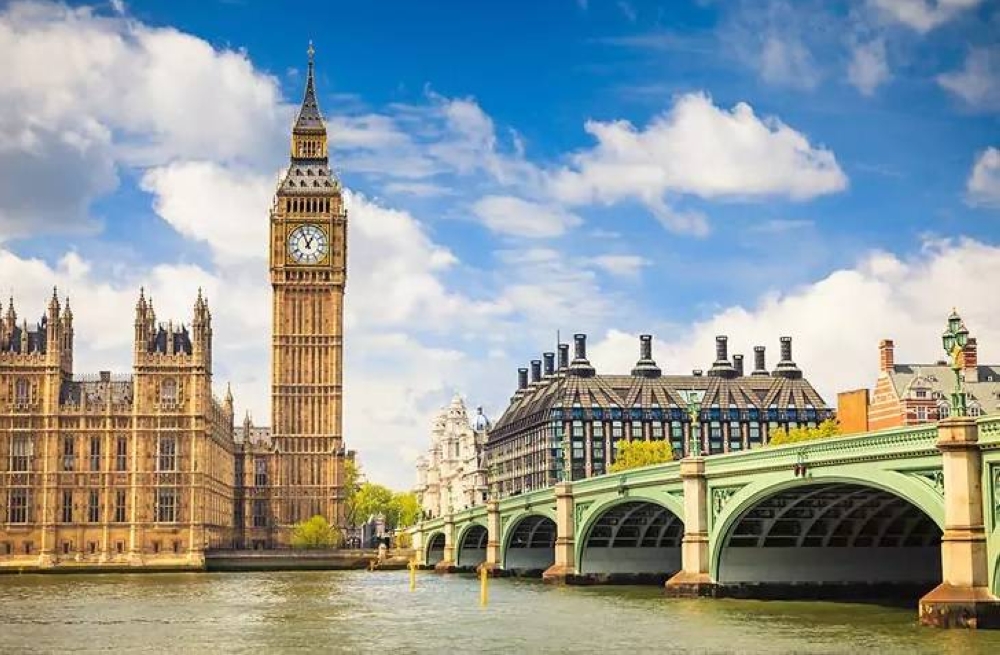
الثقة في الاقتصاد البريطاني سجل تراجعا ملحوظا آخر 10 سنوات (متداولة)


تابع قناة عكاظ على الواتساب
«عكاظ» (لندن) @okaz_online
The results of a study showed a decline in confidence in the strength of the British economy from 45% in May 2025 to 28% after a decade, due to the cost of living crisis, Brexit, and geopolitical turmoil.
The British news agency (PA Media) reported that Barclays' report on 10 years of spending indicated that confidence in non-essential spending remained strong at 53% from 2025 to the present.
Despite financial pressures, discretionary household spending rose by 9.2% year-on-year between 2021 and 2024, surpassing core spending which grew by 5%, according to the German news agency (dpa).
The study, which was based on billions of financial transactions and over 200,000 surveys on consumer confidence since 2015, found that 66% of consumers are now more concerned about their budgets compared to the past decade.
The British news agency (PA Media) reported that Barclays' report on 10 years of spending indicated that confidence in non-essential spending remained strong at 53% from 2025 to the present.
Despite financial pressures, discretionary household spending rose by 9.2% year-on-year between 2021 and 2024, surpassing core spending which grew by 5%, according to the German news agency (dpa).
The study, which was based on billions of financial transactions and over 200,000 surveys on consumer confidence since 2015, found that 66% of consumers are now more concerned about their budgets compared to the past decade.


