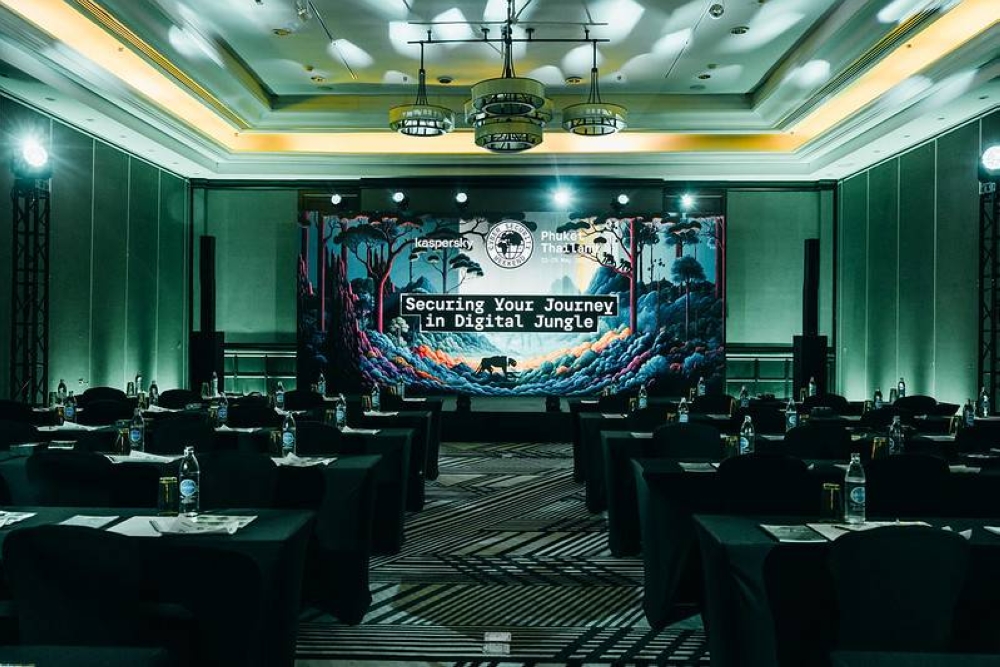
كشف الملتقى السنوي الـ10 للأمن السيبراني لمنطقة الشرق الأوسط وتركيا وأفريقيا (META)، رصد برمجية خبيثة جديدة ومتطورة تُعرف باسم GriffithRAT، تُستخدم في هجمات تستهدف شركات التكنولوجيا المالية، بما في ذلك منصات التداول عبر الإنترنت وخدمات صرف العملات الأجنبية حول العالم.
وأوضحت كاسبرسكي، خلال مشاركتها في الملتقى، حالات تضرر في عدد من الدول، من بينها الإمارات، ومصر، وتركيا، وجنوب أفريقيا، وسط تحذيرات من القدرات المتقدمة لهذه البرمجية.
وتنتشر GriffithRAT عبر تطبيقات المراسلة مثل Skype وتيليغرام، وغالباً ما تكون مخفية داخل ملفات تحمل عناوين استثمارية أو تحليلية مالية بهدف خداع المستخدمين. وبمجرد تثبيتها على الجهاز، تمنح المهاجمين القدرة على سرقة بيانات الاعتماد، والتقاط صور للشاشة، وتسجيل النقرات، وبث الكاميرا، وتتبع نشاط المستخدم.
وأشار خبراء كاسبرسكي إلى أن هذه البرمجية ترتبط بما يُعرف بـ«المرتزقة السيبرانيين»، وهي جهات تتعاقد معها أطراف ثالثة لتنفيذ هجمات دقيقة تستهدف تحقيق مكاسب تجسسية وتجارية. ويعزز هذا الارتباط وجود تشابه تقني بين GriffithRAT وبرمجية DarkMe، وهي أداة تجسس شهيرة تُستخدم في الهجمات التي يديرها مرتزقة إلكترونيون.
وفي تعليقه على الاكتشاف، قال الباحث الأمني الرئيسي لدى كاسبرسكي ماهر يموت:
«يعكس هذا التهديد تطور الجرائم السيبرانية واحترافيتها المتزايدة. وGriffithRAT تمثل نموذجاً لبرمجيات خبيثة تُحدث باستمرار، وتُستخدم ضمن حملات دقيقة لجمع بيانات حساسة يمكن بيعها في الإنترنت المظلم، أو استغلالها لتحقيق مزايا غير مشروعة».
توصيات للحماية من GriffithRAT
وللوقاية من هذه التهديدات المتطورة، أوصت الشركة بـ:
- التحقق من الملفات قبل تحميلها باستخدام حلول متقدمة مثل Kaspersky Premium للأفراد وKaspersky Next للشركات، لرصد التهديدات والاستجابة لها.
- الحذر عند استخدام تطبيقات التواصل الاجتماعي والمراسلة الفورية؛ لأنها أصبحت أدوات شائعة لنشر البرمجيات الخبيثة.
- الاعتماد على Kaspersky Threat Intelligence؛ لفهم طبيعة ومصدر الهجمات، واتخاذ قرارات أمنية دقيقة.
- تعزيز الوعي الأمني داخل المؤسسات، عبر التدريب المستمر وتشجيع الممارسات الآمنة مثل حماية الحسابات بطرق موثوقة.
The 10th annual forum for cybersecurity in the Middle East, Turkey, and Africa (META) revealed a new and advanced malware known as GriffithRAT, which is used in attacks targeting financial technology companies, including online trading platforms and foreign exchange services worldwide.
Kaspersky, during its participation in the forum, highlighted cases of damage in several countries, including the UAE, Egypt, Turkey, and South Africa, amid warnings about the advanced capabilities of this malware.
GriffithRAT spreads through messaging applications like Skype and Telegram, often hidden within files bearing investment or financial analysis titles to deceive users. Once installed on a device, it gives attackers the ability to steal credentials, capture screenshots, log keystrokes, stream from the camera, and track user activity.
Kaspersky experts noted that this malware is linked to what is known as "cyber mercenaries," which are entities contracted by third parties to carry out precise attacks aimed at achieving espionage and commercial gains. This connection is reinforced by the technical similarities between GriffithRAT and the DarkMe malware, a well-known spyware tool used in attacks managed by electronic mercenaries.
Commenting on the discovery, Kaspersky's principal security researcher Maher Yamout said:
“This threat reflects the evolution of cybercrime and its increasing professionalism. GriffithRAT represents a model of malware that is constantly evolving and is used in precise campaigns to collect sensitive data that can be sold on the dark web or exploited for illegal advantages.”
Recommendations for protection against GriffithRAT
To protect against these advanced threats, the company recommended:
- Verifying files before downloading them using advanced solutions like Kaspersky Premium for individuals and Kaspersky Next for businesses to detect and respond to threats.
- Being cautious when using social media and instant messaging applications, as they have become popular tools for spreading malware.
- Relying on Kaspersky Threat Intelligence to understand the nature and source of attacks and make informed security decisions.
- Enhancing security awareness within organizations through continuous training and encouraging safe practices such as securing accounts with reliable methods.