حذرت مديرة صندوق النقد الدولي كريستالينا غورغييفا من أن الضربات العسكرية الأمريكية على إيران قد تعيق النمو الاقتصادي العالمي، مشيرة إلى أن ارتفاع أسعار النفط قد يتسبب في تأثيرات متتالية على الاقتصادات العالمية.
وفي مقابلة مع قناة «بلومبيرغ»، أكدت غورغييفا أن الصندوق يراقب أسعار الطاقة عن كثب، محذرة من أن الاضطرابات قد تؤثر على آفاق النمو في الاقتصادات الكبرى، ما يؤدي إلى انخفاض التوقعات العالمية.
جاء هذا التحذير بعد تصويت البرلمان الإيراني، نهاية الأسبوع الماضي، لإغلاق مضيق هرمز، وهو ممر حيوي للشحن يمر عبره خُمس استهلاك النفط العالمي، رداً على الهجوم الأمريكي بقيادة الرئيس دونالد ترمب.
إغلاق المضيق قد يتسبب في صدمة إمدادات النفط، ما يرفع أسعار الطاقة ويؤدي إلى التضخم وتباطؤ النمو الاقتصادي.
وسجلت أسعار النفط قفزة بنسبة تزيد على 5% الأحد، لتصل إلى أعلى مستوى في 5 أشهر عند 81.40 دولار للبرميل، قبل أن تنخفض قليلاً.
وفي صباح اليوم (الإثنين) ارتفع سعر خام برنت بنسبة 1.2% إلى 77.94 دولار للبرميل.
ووفقاً لتقديرات بنك غولدمان ساكس قد يصل سعر النفط إلى 110 دولارات للبرميل إذا انخفض تدفق النفط عبر المضيق بنسبة 50% لمدة شهر، ثم بقي منخفضاً بنسبة 10% لمدة 11 شهراً تالية.
من جهته، وصف وزير الخارجية الأمريكي ماركو روبيو إغلاق المضيق بأنه «انتحار اقتصادي» لإيران، وحث الصين على التدخل للتأثير على طهران، مشيراً إلى اعتماد بكين الكبير على المضيق لاستيراد النفط.
وقال في مقابلة مع قناة «فوكس نيوز»: «أدعو الحكومة الصينية إلى التواصل مع إيران بشأن هذا الأمر».
في السياق ذاته، أشار هولغر شميدينغ، كبير الاقتصاديين في بنك بيرنبيرغ، إلى أن مضيق هرمز يمثل المخاطر الاقتصادية الرئيسية، لكنه رأى أن تعطيل تدفقات الطاقة في الخليج غير مرجح، معتبراً أن تقييد صادرات الطاقة استراتيجية محفوفة بالمخاطر بالنسبة لطهران.
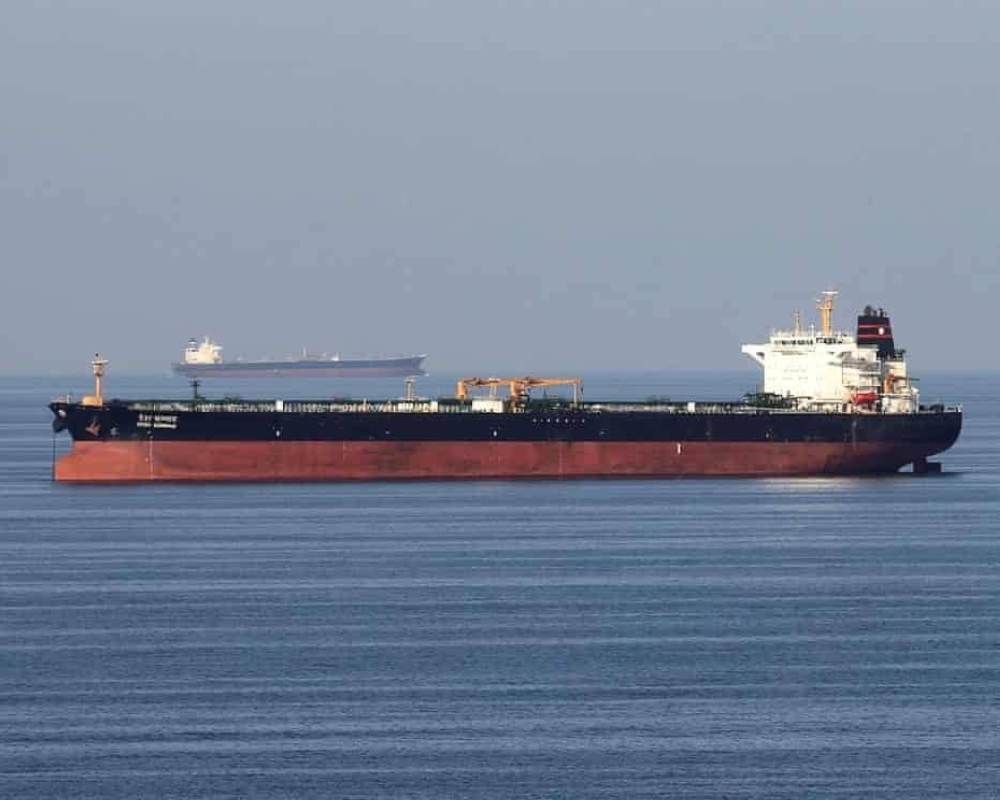
وأظهرت بيانات تتبع السفن، التي جمعتها «بلومبيرغ»، أن ناقلتي نفط عملاقتين، كل منهما قادرة على نقل نحو مليوني برميل من النفط الخام، غيرتا مسارهما في مضيق هرمز نهاية الأسبوع بعد الضربات الأمريكية، حيث اتجهتا جنوباً بعيداً عن الخليج الفارسي.
وعلى صعيد الأسواق، كانت الأسهم العالمية هادئة اليوم (الإثنين).
وفي المملكة المتحدة، انخفض مؤشر فوتسي 100 بنسبة 0.2% في التعاملات المبكرة، مع ارتفاع أسهم شركتي النفط بي بي وشل.
وفي آسيا، تراجع مؤشر نيكي 225 الياباني بنسبة 0.1%، ومؤشر إس أند بي/إيه إس إكس 200 الأسترالي بنسبة 0.4%، بينما ارتفع مؤشر سي إس آي 300 الصيني بنسبة 0.3%، وهانغ سنغ في هونغ كونغ بنسبة 0.5%.
أما الذهب، الذي يُعتبر ملاذاً آمناً في أوقات التقلبات، فقد انخفض بنسبة 0.4%، إلى 3354.03 دولار للأونصة، بعد أن سجل مستويات قياسية عدة هذا العام.
The Managing Director of the International Monetary Fund, Kristalina Georgieva, warned that U.S. military strikes on Iran could hinder global economic growth, noting that rising oil prices could lead to cascading effects on global economies.
In an interview with Bloomberg, Georgieva confirmed that the Fund is closely monitoring energy prices, warning that disruptions could impact growth prospects in major economies, leading to lower global forecasts.
This warning came after the Iranian parliament voted last weekend to close the Strait of Hormuz, a vital shipping route through which one-fifth of global oil consumption passes, in response to the U.S. attack led by President Donald Trump.
Closing the strait could cause a shock to oil supplies, raising energy prices and leading to inflation and a slowdown in economic growth.
Oil prices recorded a jump of more than 5% on Sunday, reaching a five-month high of $81.40 per barrel, before slightly declining.
On Monday morning, the price of Brent crude rose by 1.2% to $77.94 per barrel.
According to estimates from Goldman Sachs, the price of oil could reach $110 per barrel if oil flow through the strait decreases by 50% for a month, and then remains down by 10% for the following 11 months.
For his part, U.S. Secretary of State Marco Rubio described the closure of the strait as "economic suicide" for Iran, urging China to intervene to influence Tehran, noting Beijing's heavy reliance on the strait for oil imports.
He said in an interview with Fox News: "I call on the Chinese government to communicate with Iran about this matter."
In the same context, Holger Schmieding, Chief Economist at Berenberg Bank, pointed out that the Strait of Hormuz represents the main economic risks, but he viewed the disruption of energy flows in the Gulf as unlikely, considering that restricting energy exports is a risky strategy for Tehran.
Data from ship tracking collected by Bloomberg showed that two giant oil tankers, each capable of carrying about two million barrels of crude oil, changed their course in the Strait of Hormuz over the weekend after the U.S. strikes, heading south away from the Persian Gulf.
In terms of markets, global stocks were quiet today (Monday).
In the UK, the FTSE 100 index fell by 0.2% in early trading, with shares of oil companies BP and Shell rising.
In Asia, Japan's Nikkei 225 index declined by 0.1%, and Australia's S&P/ASX 200 index fell by 0.4%, while China's CSI 300 index rose by 0.3%, and Hong Kong's Hang Seng increased by 0.5%.
As for gold, which is considered a safe haven during times of volatility, it fell by 0.4% to $3354.03 per ounce, after reaching several record levels this year.