تشهد أسواق النفط العالمية حالة من الترقب المشوب بالحذر بعد الضربات الأمريكية على منشآت نووية إيرانية، حيث يتوقع المتعاملون ارتفاعاً حاداً في أسعار النفط مع استئناف التداول الإثنين.
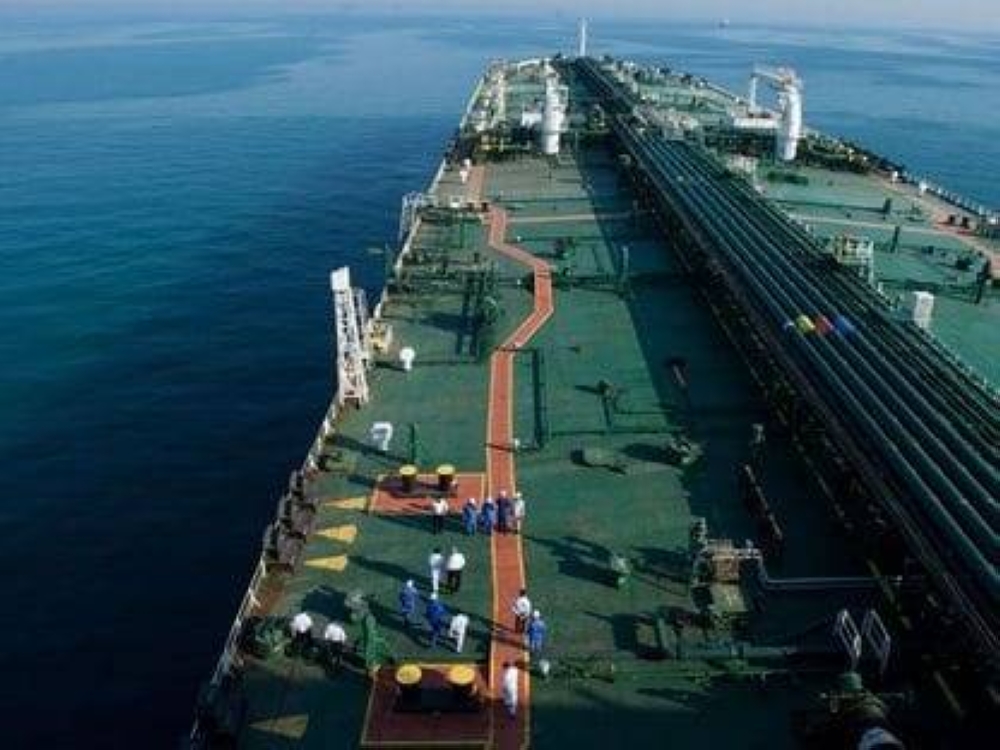
وقد قفزت العقود الآجلة لخام برنت بنسبة 11% خلال أسبوع مضطرب، مدفوعة بهجوم إسرائيلي سابق، لكن الضربات الأمريكية عززت المخاوف من تعطل إمدادات النفط في منطقة الخليج، عبر مضيق هرمز.
وبحسب وكالة «بلومبيرغ»، يتوقع المحللون تقلبات حادة هذا الأسبوع، مع ارتفاع محتمل في أسعار الشحن والديزل وتغيرات في منحنى العقود الآجلة.
وحذر محللون من أن رد إيران قد يدفع أسعار النفط إلى 100 دولار للبرميل إذا استهدفت البنية التحتية النفطية أو أغلقت مضيق هرمز.
بينما يرى آخرون أن تدخل البحرية الأمريكية لضمان فتح المضيق قد يحد من الارتفاع إلى نطاق 80-90 دولاراً.
على صعيد آخر، شهدت أسواق الأسهم في الشرق الأوسط ارتفاعاً مفاجئاً، بحسب «بلومبيرغ»، حيث صعد المؤشر السعودي 1% مدعوماً بسهم مصرف الراجحي.
كما سجلت أسواق الكويت وقطر ارتفاعات طفيفة بنسبة 0.7%، بينما تراجع سوق مسقط بنسبة 0.6%.
ومع ذلك يستعد المستثمرون العالميون لتقلبات وتحول محتمل نحو الأصول الآمنة إذا تصاعد الصراع.
The global oil markets are witnessing a state of cautious anticipation following the American strikes on Iranian nuclear facilities, as traders expect a sharp rise in oil prices when trading resumes on Monday.
Brent crude futures jumped by 11% during a tumultuous week, driven by a previous Israeli attack, but the American strikes have heightened fears of a disruption in oil supplies in the Gulf region, through the Strait of Hormuz.
According to Bloomberg, analysts expect sharp fluctuations this week, with a potential rise in shipping and diesel prices and changes in the futures curve.
Analysts have warned that Iran's response could push oil prices to $100 a barrel if it targets oil infrastructure or closes the Strait of Hormuz.
Meanwhile, others believe that U.S. Navy intervention to ensure the strait remains open could limit the rise to a range of $80-90.
On another note, stock markets in the Middle East have seen a surprising rise, according to Bloomberg, with the Saudi index climbing 1% supported by Al Rajhi Bank shares.
Kuwait and Qatar's markets also recorded slight increases of 0.7%, while the Muscat market declined by 0.6%.
However, global investors are preparing for volatility and a potential shift towards safe assets if the conflict escalates.