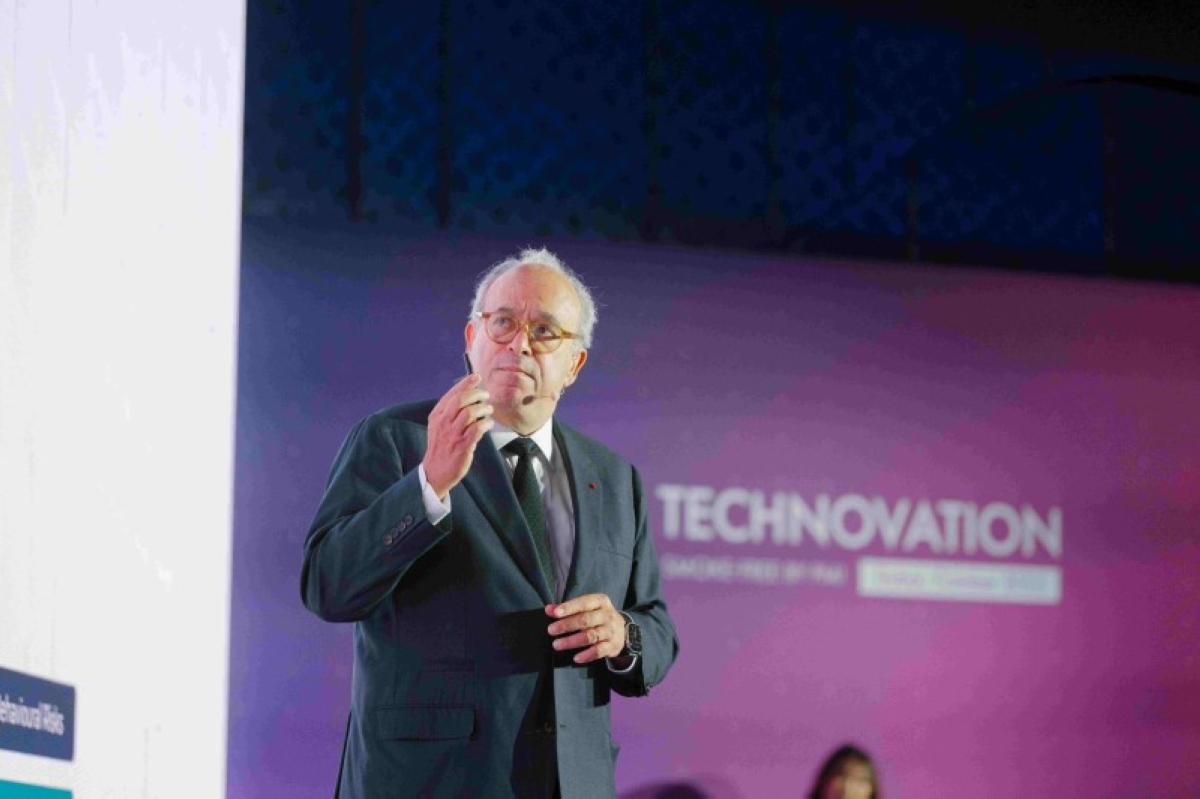
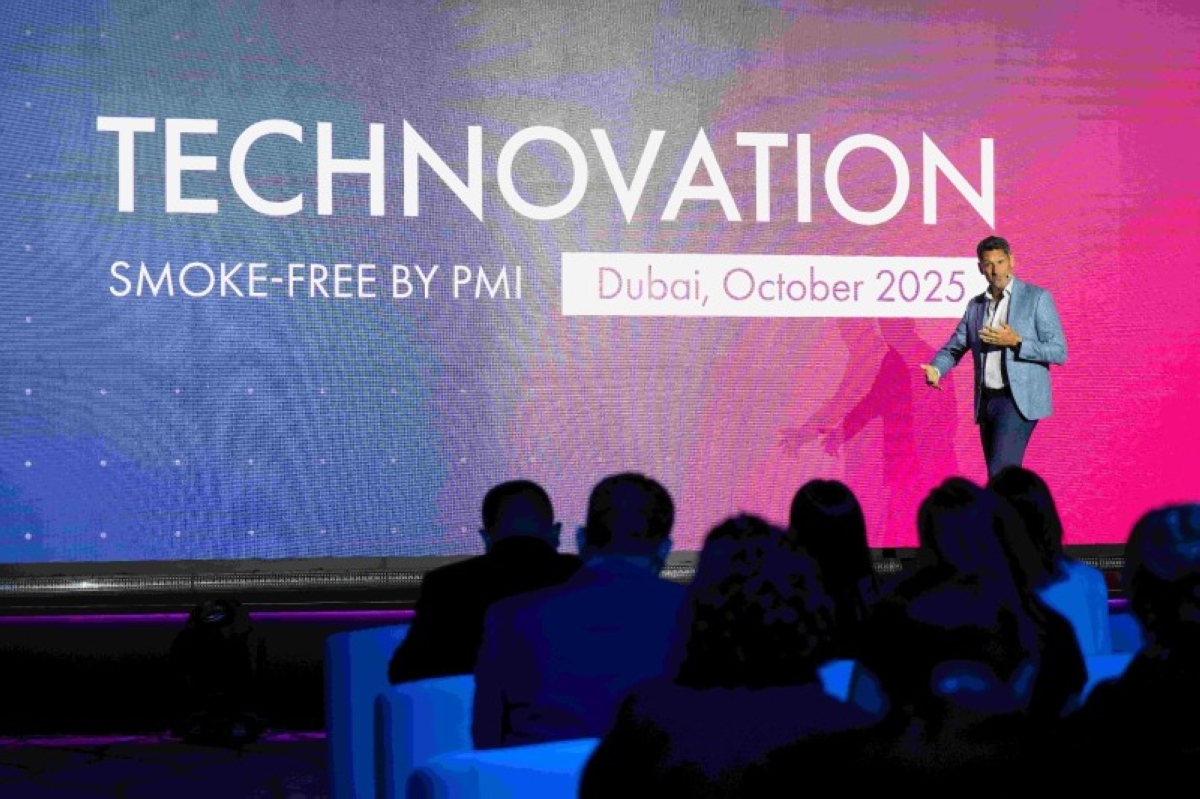
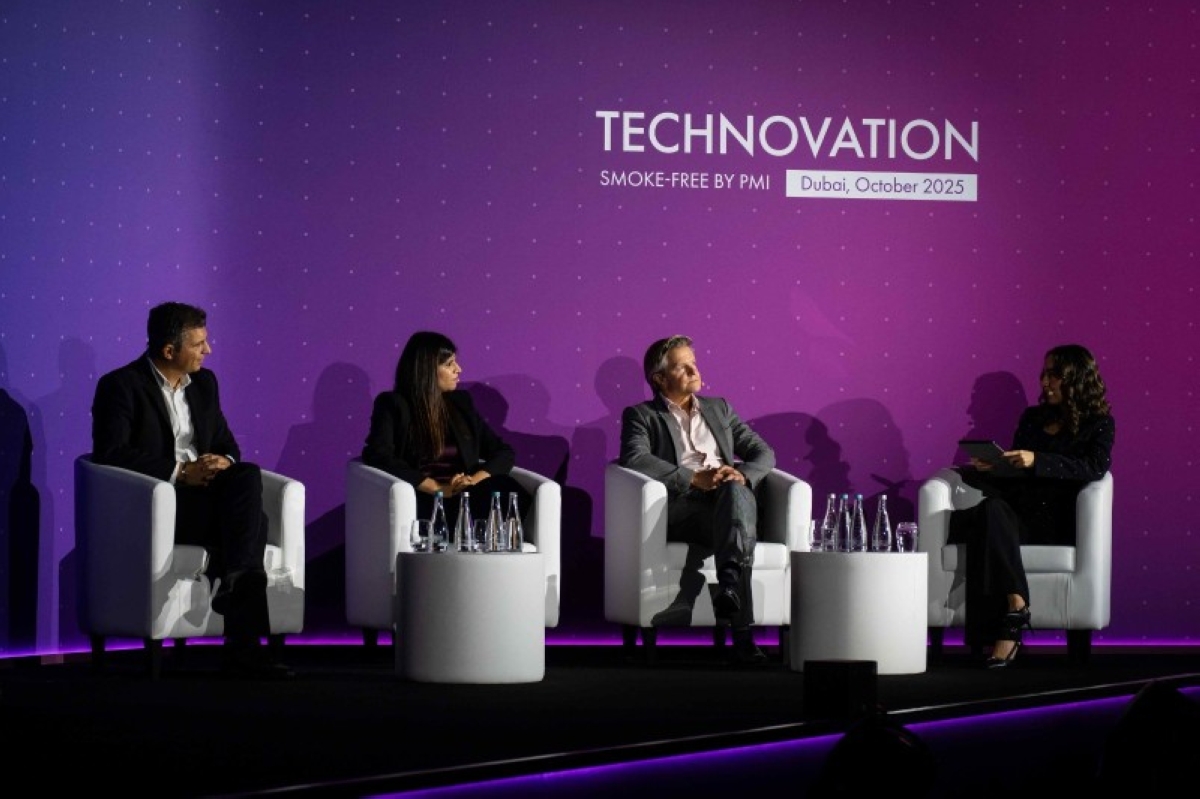
خلال مُشاركتها في مؤتمر «تكنوفيجن 2025»، والذي عُقد في فندق دبليو دبي – النخلة، في الثامن من أكتوبر، سلطت توموكو ليدا، مسؤولة المُشاركة العلمية في شركة فيليب موريس إنترناشونال(PMI) لمنطقة جنوب وجنوب شرق آسيا، ورابطة الدول المستقلة، والشرق الأوسط وأفريقيا، الضوء على التحديات التي تواجه جهود التوعية بالمنتجات الخالية من الدخان، وأكدت على ضرورة تصحيح المفاهيم الخاطئة المنتشرة حول النيكوتين وعملية الاحتراق.
الاحتراق وليس النيكوتين هو الجاني
أوضحت ليدا أن من أبرز العقبات التي تحول دون رفع مستوى الوعي في منطقة الخليج بالبدائل الخالية من الدخان، وبالتالي الحد من أضرار التدخين، هو الاعتقاد الخاطئ بأن النيكوتين هو المُسبب الرئيسي للأمراض المُرتبطة بالتدخين، مبينة أن عملية «الاحتراق» هي العامل الرئيسي الذي يقف وراء الأمراض الناجمة عن التدخين.
وأشارت ليدا إلى أن تدخين التبغ بالاحتراق ينجم عنه حوالي ستة آلاف مادة كيميائية، منها حوالي 100 مادة ضارة ونحو 24 مادة مُسرطنة، جميعها تنتج عن عملية الاحتراق نفسها.
كما أضافت أن النيكوتين وإن كانت مادة مسببة للإدمان، غير أنها ليست مادة مُسرطنة ولا تُعد المسبب المباشر للأمراض المرتبطة بالتدخين مثل السرطان وأمراض الرئة. وأكدت أن هذه المعلومة العلمية غالبًا ما تكون مغلوطة حتى لدى المهنيين الصحيين، حيث تُشير دراسات إلى أن نحو 80% من الأطباء في الولايات المتحدة يعتقدون خطأً بأن النيكوتين يسبب السرطان.
الوعي في الخليج لا يزال بحاجة إلى تعميق
وبيّنت ليدا أن هذه المفاهيم المغلوطة منتشرة أيضًا في منطقة الخليج، بما في ذلك دول مجلس التعاون، حيث ما يزال الكثير من الناس يخلطون بين طبيعة النيكوتين وأثره، وبين النتائج الضارة الناجمة عن الاحتراق. وأكدت أنه بمجرد تجاوز هاتين العقبتين المعرفيتين – المفاهيم حول الاحتراق والنيكوتين – فإن الطريق سيكون مُمهدًا لنشر وعي حقيقي يُحدث فرقًا في الصحة العامة.
دور الإعلام والتثقيف العلمي
وفي حديثها عن أهمية التوعية، شددت ليدا على الدور المحوري الذي يمكن أن تلعبه وسائل الإعلام والمهنيون في مجال الصحة في إيصال الحقائق العلمية للجمهور. ورأت أن بناء خطاب إعلامي يستند إلى العلم، والتركيز على التمييز بين الضرر الفعلي والمفاهيم المتداولة، يمكن أن يدعم خيارات أكثر وعيًا للمدخنين البالغين.
وتطرقت ليدا إلى اللبس الشائع بين التبغ المُسخن والسجائر الإلكترونية، موضحة أن كليهما لا يعتمد على الاحتراق، ما يجعلهما أقل ضررًا مقارنة بالسجائر التقليدية. ومع ذلك فرّقت ليدا بين الاثنين، مُبينة أن التبغ المُسخن يحتوي على أوراق تبغ حقيقية تُسخن لاستخلاص النيكوتين، في حين أن السجائر الإلكترونية لا تحتوي على أوراق التبغ إنما تقوم بتسخين سائل يحتوي على النيكوتين. وأكدت ليدا أن اعتماد أي من الخيارين يُعد خطوة إيجابية للمُدخنين الراغبين في التحول بعيدًا عن السجائر التقليدية.
التجربة اليابانية.. نموذج يُحتذى به
وأشارت ليدا إلى أن التجربة اليابانية تمثل نموذجًا ناجحًا للتحول إلى بدائل التدخين الأقل ضررًا، مُشيرة إلى أن استخدام هذه البدائل أدى إلى تراجع ملحوظ في مُعدلات التدخين، مدفوعًا بعدة عوامل، من أبرزها إصدار تشريعات مُنظمة تتيح للصناعة التواصل بشفافية مع المدخنين البالغين الذين لا يقلعون عن التدخين، إلى جانب ثقافة شعبية ترفض الإضرار بالآخرين من خلال الدخان الناتج عن الاحتراق (التدخين السلبي).
وأوضحت ليدا أن الشعب الياباني من منطلق الشعور بالمسؤولية يُولي أهمية كبيرة لتأثير التدخين على من حوله، وهو ما ساهم في نجاح هذا التحول. وأكدت أن اليابان تُعد اليوم أكبر سوق عالمي لمنتجات التبغ المُسخن، بفضل جاهزيتها التنظيمية وثقافتها الصحية، مُشيرة إلى أن هذا النموذج يمكن تكراره في مناطق أخرى من العالم، بما فيها الشرق الأوسط، إذا توفرت الإرادة والدعم الإعلامي والصحي الكافي.
دعوة للعمل في الشرق الأوسط
ودعت ليدا إلى تكثيف الجهود التوعوية في الشرق الأوسط، مُشددة على أهمية إشراك جميع الأطراف المعنية من مؤسسات صحية، وجهات تنظيمية، ووسائل إعلام، من أجل بناء بيئة معرفية تسمح للمدخنين البالغين باتخاذ قرارات مستنيرة بشأن صحتهم.
وتمثل تصريحات توموكو ليدا خلال مؤتمر «تكنوفيجن» دعوة إلى التركيز على العوامل الحقيقية للضرر، لا سيما عملية «الاحتراق»، وتصحيح المفاهيم العلمية حول النيكوتين. وتؤكد أن التحول إلى البدائل الأقل ضررًا قد يكون خطوة واقعية نحو تقليل المخاطر للأفراد والمجتمعات على حد سواء.
During her participation in the "Technovision 2025" conference, which was held at the W Dubai – The Palm hotel on October 8, Tomoko Lida, the scientific engagement officer at Philip Morris International (PMI) for the South and Southeast Asia region, the Commonwealth of Independent States, the Middle East, and Africa, highlighted the challenges facing awareness efforts regarding smoke-free products and emphasized the need to correct the widespread misconceptions about nicotine and the process of combustion.
Combustion, Not Nicotine, is the Culprit
Lida explained that one of the main obstacles to raising awareness in the Gulf region about smoke-free alternatives, and thus reducing the harms of smoking, is the false belief that nicotine is the primary cause of smoking-related diseases, indicating that the process of "combustion" is the main factor behind the diseases resulting from smoking.
Lida pointed out that smoking combustible tobacco produces about six thousand chemical substances, including around 100 harmful substances and about 24 carcinogens, all of which are generated by the combustion process itself.
She also added that while nicotine is an addictive substance, it is not a carcinogen and is not the direct cause of smoking-related diseases such as cancer and lung diseases. She confirmed that this scientific information is often misunderstood even among health professionals, as studies indicate that about 80% of doctors in the United States mistakenly believe that nicotine causes cancer.
Awareness in the Gulf Still Needs Deepening
Lida indicated that these misconceptions are also prevalent in the Gulf region, including the Gulf Cooperation Council countries, where many people still confuse the nature of nicotine and its effects with the harmful outcomes resulting from combustion. She asserted that once these two knowledge barriers—concepts about combustion and nicotine—are overcome, the path will be paved for spreading genuine awareness that makes a difference in public health.
The Role of Media and Scientific Education
In her discussion about the importance of awareness, Lida emphasized the pivotal role that media and health professionals can play in conveying scientific facts to the public. She believed that building a media discourse based on science and focusing on distinguishing between actual harm and circulating misconceptions can support more informed choices for adult smokers.
Lida addressed the common confusion between heated tobacco and electronic cigarettes, clarifying that both do not rely on combustion, making them less harmful compared to traditional cigarettes. However, Lida differentiated between the two, explaining that heated tobacco contains real tobacco leaves that are heated to extract nicotine, while electronic cigarettes do not contain tobacco leaves but rather heat a liquid that contains nicotine. Lida confirmed that adopting either option is a positive step for smokers looking to move away from traditional cigarettes.
The Japanese Experience: A Model to Emulate
Lida noted that the Japanese experience represents a successful model for transitioning to less harmful smoking alternatives, pointing out that the use of these alternatives has led to a noticeable decline in smoking rates, driven by several factors, most notably the enactment of regulatory legislation that allows the industry to communicate transparently with adult smokers who do not quit smoking, alongside a popular culture that rejects harming others through smoke produced by combustion (secondhand smoke).
She explained that the Japanese people, out of a sense of responsibility, place great importance on the impact of smoking on those around them, which has contributed to the success of this transition. She confirmed that Japan is now the largest global market for heated tobacco products, thanks to its regulatory readiness and health culture, indicating that this model can be replicated in other parts of the world, including the Middle East, if there is sufficient will and media and health support.
A Call to Action in the Middle East
Lida called for intensifying awareness efforts in the Middle East, stressing the importance of involving all stakeholders, including health institutions, regulatory bodies, and media, to build a knowledge environment that allows adult smokers to make informed decisions about their health.
Tomoko Lida's statements during the "Technovision" conference represent a call to focus on the real factors of harm, particularly the process of "combustion," and to correct scientific misconceptions about nicotine. They affirm that transitioning to less harmful alternatives could be a realistic step towards reducing risks for individuals and communities alike.