


قررت الحكومة العراقية التعاقد مع شركتين دوليتين للمساهمة في رفع التصنيف الائتماني للعراق، وذلك ضمن خطة الإصلاح الاقتصادي في البلاد.
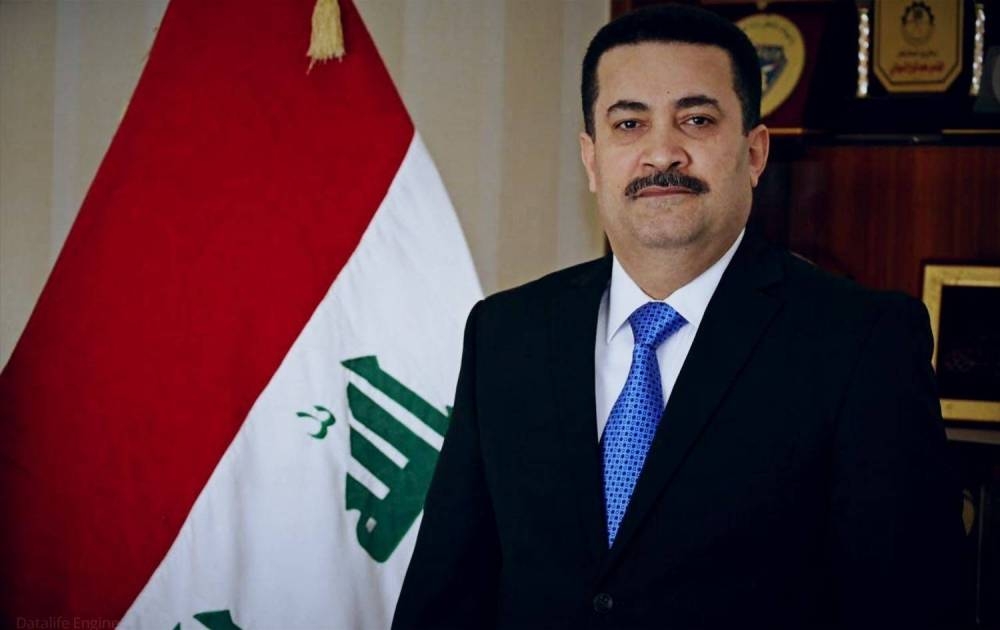
ووجه رئيس الوزراء العراقي محمد شياع السوداني بالتعاقد مع شركة متخصصة بالقانون الدولي والاقتصادي العالمي، تعمل مستشاراً لدى المصرف العراقي للتجارة، والأخرى متخصصة بالعلاقات العامة؛ للمساهمة برفع التصنيف الائتماني للعراق.
وعقد رئيس الوزراء العراقي، اليوم، اجتماعاً خاصاً بتمويل مشاريع القطاع الخاص، ضمن مبادرة الضمانات السيادية.
وتمت خلال الاجتماع مناقشة آليات تسهيل الإجراءات لتحقيق التنمية الصناعية، وسير عمل لجنة الضمانات السيادية وما حققته من دعم عمل القطاع الخاص، ضمن رؤية الحكومة في تحقيق الإصلاح الاقتصادي.
ووجّه رئيس الوزراء العراقي بإيجاد الحلول السريعة لتبسيط الإجراءات القانونية والإدارية لتسهيل تنفيذ مبادرات إقراض المشاريع الصغيرة والضمانات السيادية وإنجاحها.
وكانت وكالة «ستاندرد آند بورز»، قد أعلنت في وقت سابق من هذ العام، تثبيت تصنيف العراق الائتماني عند «B-/B» مع نظرة مستقبلية مستقرة. وشهد ارتفاع معدلات النمو في الناتج المحلي الإجمالي غير النفطي بشكل غير مسبوق خلال عام 2024، وفق تصريحات سابقة لمسؤول حكومي.
وأشار المستشار المالي لرئيس الوزراء العراقي مظهر صالح إلى أن البرنامج الحكومي نجح في ضبط التنوع المالي في الموازنة العامة وعموم الاقتصاد الوطني، وبين أن المنهجية الهادئة للسياسة المالية أسهمت بتنظيم سيولة الموازنة العامة واستقرار الاقتصاد. وقال: «ارتفاع معدلات نمو الناتج المحلي الإجمالي غير النفطي رافقه دور مهم للسياسة النقدية ودورها في تنظيم القطاع النقدي بموجب قانون البنك المركزي رقم 56 لعام 2004». وأضاف: «السياسة النقدية تلك تتمتع بالرصانة، ولم تبتعد عن دائرة التشاور والتعاون مع السياسة المالية واقتصاد الحكومة الذي ما زال يهيمن على 65% من الناتج المحلي الإجمالي ونسبة 98% من التدفقات الخارجية من النقد الأجنبي».
ضمن خطة إصلاح اقتصادي.. العراق يستعين بشركات دولية لرفع تصنيفه الائتماني
19 مايو 2025 - 21:33
|
آخر تحديث 19 مايو 2025 - 21:33


تابع قناة عكاظ على الواتساب
«عكاظ» (بغداد)
The Iraqi government has decided to contract with two international companies to help improve Iraq's credit rating, as part of the country's economic reform plan.
The Iraqi Prime Minister, Mohammed Shia' al-Sudani, directed the contracting of a company specialized in international law and global economics, which will serve as an advisor to the Iraqi Trade Bank, and another company specialized in public relations; to contribute to raising Iraq's credit rating.
Today, the Iraqi Prime Minister held a special meeting regarding the financing of private sector projects, as part of the sovereign guarantees initiative.
During the meeting, the mechanisms for facilitating procedures to achieve industrial development were discussed, along with the progress of the sovereign guarantees committee and what it has achieved in supporting the private sector, within the government's vision for achieving economic reform.
The Iraqi Prime Minister directed the swift identification of solutions to simplify legal and administrative procedures to facilitate the implementation of small project lending initiatives and sovereign guarantees and to ensure their success.
The "Standard & Poor's" agency had previously announced earlier this year that Iraq's credit rating was maintained at "B-/B" with a stable outlook. There has been an unprecedented increase in the growth rates of non-oil GDP during 2024, according to previous statements from a government official.
The financial advisor to the Iraqi Prime Minister, Muthar Saleh, indicated that the government program has succeeded in controlling financial diversity in the general budget and the overall national economy, and noted that the calm methodology of fiscal policy has contributed to organizing the liquidity of the general budget and stabilizing the economy. He said: "The increase in non-oil GDP growth rates has been accompanied by an important role for monetary policy and its role in organizing the monetary sector under the Central Bank Law No. 56 of 2004." He added: "This monetary policy is characterized by its prudence and has not strayed from the circle of consultation and cooperation with fiscal policy and the government economy, which still dominates 65% of GDP and 98% of foreign currency inflows."
The Iraqi Prime Minister, Mohammed Shia' al-Sudani, directed the contracting of a company specialized in international law and global economics, which will serve as an advisor to the Iraqi Trade Bank, and another company specialized in public relations; to contribute to raising Iraq's credit rating.
Today, the Iraqi Prime Minister held a special meeting regarding the financing of private sector projects, as part of the sovereign guarantees initiative.
During the meeting, the mechanisms for facilitating procedures to achieve industrial development were discussed, along with the progress of the sovereign guarantees committee and what it has achieved in supporting the private sector, within the government's vision for achieving economic reform.
The Iraqi Prime Minister directed the swift identification of solutions to simplify legal and administrative procedures to facilitate the implementation of small project lending initiatives and sovereign guarantees and to ensure their success.
The "Standard & Poor's" agency had previously announced earlier this year that Iraq's credit rating was maintained at "B-/B" with a stable outlook. There has been an unprecedented increase in the growth rates of non-oil GDP during 2024, according to previous statements from a government official.
The financial advisor to the Iraqi Prime Minister, Muthar Saleh, indicated that the government program has succeeded in controlling financial diversity in the general budget and the overall national economy, and noted that the calm methodology of fiscal policy has contributed to organizing the liquidity of the general budget and stabilizing the economy. He said: "The increase in non-oil GDP growth rates has been accompanied by an important role for monetary policy and its role in organizing the monetary sector under the Central Bank Law No. 56 of 2004." He added: "This monetary policy is characterized by its prudence and has not strayed from the circle of consultation and cooperation with fiscal policy and the government economy, which still dominates 65% of GDP and 98% of foreign currency inflows."


