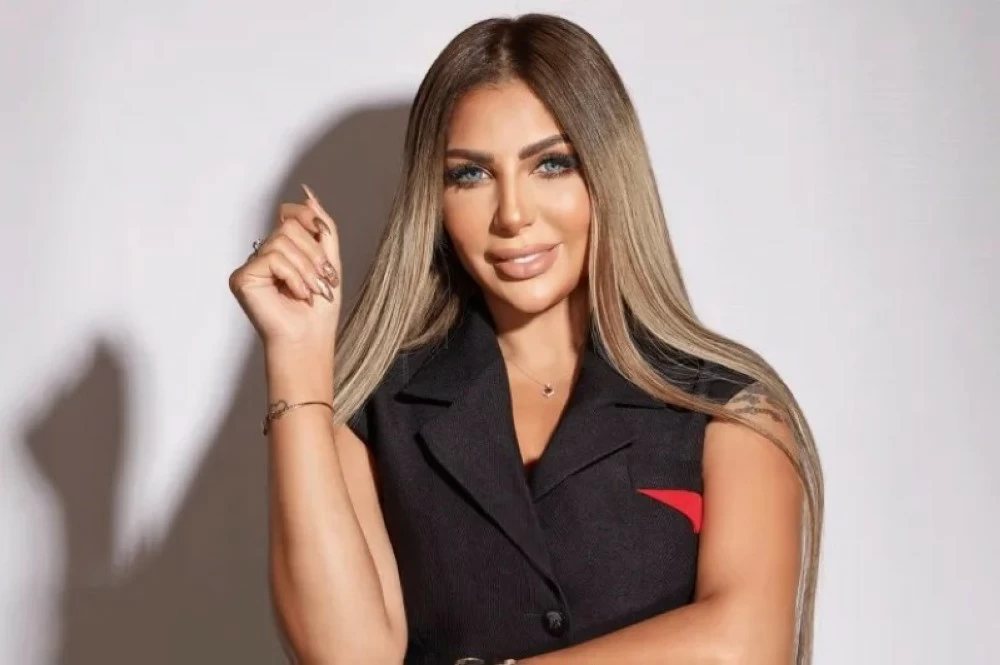
في جلسة مثيرة للجدل أمام محكمة جنايات القاهرة الجديدة بالتجمع الخامس، كشفت النيابة العامة عن تفاصيل دامغة في القضية المعروفة إعلامياً بـ«المخدرات الكبرى»، المتورطة فيها المنتجة الفنية والإعلامية الشهيرة سارة خليفة (خطيبة اللاعب محمود عبد الرازق «كهربا» سابقاً) و27 متهماً آخرون.
الجلسة، التي عقدت أمس (الأربعاء)، شهدت مرافعة النيابة التي طلبت عقوبة الإعدام شنقاً لسارة خليفة وعدد من الزعماء، مع إلزام الجميع بالسجن المؤبد أو الشغل الشاق لسنوات طويلة، في جريمة تهدد أمن المجتمع وتكشف عن شبكة دولية لتصنيع المخدرات المخلقة، وأصدرت المحكمة قرارها بتأجيل النظرإلى جلسة 8 ديسمبر لسماع مرافعة دفاع المتهمين من الأول إلى الخامس.
من الشهرة الفنية إلى الظلام الإجرامي
بدأت القضية في أبريل 2025، عندما أعلنت وزارة الداخلية عن مداهمة ناجحة لتشكيل عصابي دولي يقوده أشخاص من الوسط الفني والتجاري، وتم القبض على سارة خليفة في شقتها الفاخرة بالقاهرة، التي تحولت إلى معمل سري لتصنيع المخدرات.
التحقيقات الأولية، التي أجرتها الإدارة العامة لمكافحة المخدرات، كشفت عن تورط العصابة في استيراد مواد خام من خارج البلاد، وتصنيع مواد مخدرة تخليقية أشد فتكاً من الحشيش التقليدي (مثل الإكستاسي والميثامفيتامين)، ثم توزيعها محلياً وإقليمياً.
مضبوطات قضية سارة خليفة
وبلغت قيمة المضبوطات أكثر من 1.2 مليار جنيه مصري، بما في ذلك أكثر من 750 كيلوغراماً من المواد المخدرة الجاهزة والخام، إلى جانب سيارات فارهة، وكميات هائلة من الذهب، وأسلحة نارية غير مرخصة.
سارة خليفة، التي كانت معروفة بأعمالها الإعلامية وعلاقاتها الواسعة في الوسط الفني، استغلت شهرتها لتمويل العمليات، وضخت ملايين الجنيهات لشراء آلات ومعدات التصنيع من الخارج.
ورطة شقيق سارة خليفة
التحقيقات أظهرت أن سارة خليفة عقدت اجتماعات سرية خارج البلاد مع المتهمين الأول والثاني لتنسيق الاستيراد، وكانت مسؤولة عن التنسيق بين الأعضاء، كما أقرت خلال الاستجواب بمعرفتها بأحد مؤسسي العصابة من خلال عيادة تجميل تابعة لها، مما يشير إلى علاقة شخصية حميمة ساعدت في تعزيز الشبكة. أما شقيقها، محمد خليفة (المتهم السادس)، فلعب دوراً محورياً في التصنيع، واستخدم «شباباً كفئران تجارب» لاختبار تأثير المواد قبل التوزيع، وفقاً لأقوال النيابة.
كشوفات النيابة وردود الدفاع
في الجلسة، قدم ممثل النيابة تقريراً كيميائياً من المعمل الجنائي يكشف أن المواد المضبوطة خالية من المخدرات الجاهزة لكنها مثالية لتصنيعها، مع تفاصيل آلية التهريب، إذ يتم إدخال المواد الخام عبر موانئ دولية، ثم تسليمها للعصابة داخل مصر للتخليق في وحدات سكنية مستأجرة.
فيما شددت النيابة العامة على أن العصابة تتزعمها سارة وثلاثة آخرون، وطالبت بتشديد العقوبة لاستغلالها نفوذها في «غسيل الأموال» و«تجنيد الشباب»، كما كشفت عن تورط متهمين آخرين في حيازة أسلحة للحماية، مما يعزز تهمة «التشكيل العصابي الإرهابي».
من جانب الدفاع، قدم محامو سارة خليفة طعناً بالتزوير المادي والمعنوي على محضر الضبط، مدعين أنه «مزور ليبدو حقيقياً»، وطالبوا بعرض صور فوتوغرافية لإعادة تقييم موقفها، كما استفسروا عن إصاباتها المثبتة في تقرير الطب الشرعي، متسائلين إن كانت ناتجة عن «تعذيب أثناء الضبط» داخل مقر مكافحة المخدرات.
الدفاع طالب أيضاً بمخاطبة مصلحة السجون للتحقق من استخدام هاتف متهم آخر أثناء الحبس، وإلزام شهود الادعاء بالحضور بعد امتناع بعضهم. ممثل النيابة اعترض، مؤكداً أن «سارة استُمِع إليها كمجني عليها وكمتهمة، وتم فحص الإصابات طبياً».
In a controversial session before the New Cairo Criminal Court in Fifth Settlement, the Public Prosecution revealed compelling details in the case known in the media as the "Major Drugs" case, involving the famous artistic and media producer Sara Khalifa (formerly the fiancée of player Mahmoud Abdel Razek "Kahraba") and 27 other defendants.
The session, held yesterday (Wednesday), witnessed the prosecution's plea for the death penalty by hanging for Sara Khalifa and several leaders, while demanding life imprisonment or hard labor for many others, in a crime that threatens community security and reveals an international network for the manufacture of synthetic drugs. The court issued its decision to postpone the hearing to December 8 to listen to the defense's plea for defendants one through five.
From Artistic Fame to Criminal Darkness
The case began in April 2025, when the Ministry of Interior announced a successful raid on an international gang led by individuals from the artistic and commercial sectors. Sara Khalifa was arrested in her luxurious apartment in Cairo, which had turned into a secret laboratory for drug manufacturing.
The preliminary investigations conducted by the General Administration for Drug Control revealed the gang's involvement in importing raw materials from abroad and manufacturing synthetic drugs more lethal than traditional hashish (such as ecstasy and methamphetamine), which were then distributed locally and regionally.
Seizures in the Sara Khalifa Case
The value of the seized items exceeded 1.2 billion Egyptian pounds, including more than 750 kilograms of ready and raw narcotic substances, along with luxury cars, vast quantities of gold, and unlicensed firearms.
Sara Khalifa, known for her media work and extensive connections in the artistic community, exploited her fame to finance operations, injecting millions of pounds to purchase manufacturing machines and equipment from abroad.
Sara Khalifa's Brother's Predicament
Investigations revealed that Sara Khalifa held secret meetings abroad with the first and second defendants to coordinate imports and was responsible for coordinating among the members. She also admitted during interrogation to knowing one of the gang's founders through her cosmetic clinic, indicating an intimate personal relationship that helped strengthen the network. Her brother, Mohamed Khalifa (the sixth defendant), played a pivotal role in manufacturing and used "young people as guinea pigs" to test the effects of the substances before distribution, according to the prosecution's statements.
Prosecution Revelations and Defense Responses
During the session, a representative of the prosecution presented a chemical report from the forensic laboratory indicating that the seized materials were free of ready-made drugs but ideal for manufacturing them, detailing the smuggling mechanism, where raw materials are brought in through international ports and then delivered to the gang within Egypt for synthesis in rented residential units.
The Public Prosecution emphasized that the gang is led by Sara and three others, demanding stricter penalties for exploiting her influence in "money laundering" and "recruiting youth." They also revealed the involvement of other defendants in possessing weapons for protection, which strengthens the charge of "terrorist gang formation."
On the defense side, Sara Khalifa's lawyers filed a material and moral forgery appeal against the seizure report, claiming it was "forged to appear real," and requested photographic evidence to reassess her situation. They also inquired about her documented injuries in the forensic report, questioning whether they resulted from "torture during the arrest" at the drug control headquarters.
The defense also called for contacting the prison authority to verify the use of another defendant's phone while in custody and to compel some prosecution witnesses to attend after some had refused. The prosecution representative objected, asserting that "Sara was heard as both a victim and a defendant, and her injuries were medically examined."