كان بكر الشدي في طريقه لأن يصبح الصوت الذي يُعيد للفن السعودي منطقه الجمالي ووعيه الإنساني، حين باغته الرحيل في اللحظة التي كان العالم يستعد للإصغاء إليه. لم يكن فنانًا عابرًا على الخشبة، بل فكرة تمشي على المسرح، تُجسّد ما يؤمن به من أن الفن وعيٌ بالحياة أكثر منه حرفة تمثيل.
ولد الشدي في بقيق عام 1959، وفي ملامحه الأولى تشكّلت ملامح المثقف أكثر من الممثل. درس الأدب الإنجليزي حتى نال الماجستير من جامعة الملك سعود، ليصبح من أوائل من جمعوا بين الفن والدراسة الأكاديمية. من هناك، خرج إلى المسرح بروح المعلم والمفكر، مؤمنًا بأن المسرح ليس منصة للعرض، بل مرآة تُعيد صياغة المجتمع بلغة الضوء.
في مسرحياته الخالدة، مثل تحت الكراسي والبيت الكبير وقطار الحظ، كان الشدي يذهب أبعد من النص، فيحاور الواقع، ويوقظ المتلقي، ويصنع من كل مشهد لحظة وعي جديدة. ثم انتقل إلى الدراما التلفزيونية، ليمنحها شيئًا من عمق المسرح في أعمال مثل طاش ما طاش وعائلة أبو كلش، محتفظًا بروحه الهادئة وابتسامته التي تُخفي ثقافة واسعة وأفقًا إنسانيًا رحبًا.
كان محبوبًا بين زملائه ومقرّبًا من الإعلاميين والمثقفين، يتحدث عن الفن كرسالة، وعن المسرح كمسؤولية. لم يكن يتعامل مع التمثيل كمهنة، بل كطريقة في التفكير والحياة. وفي سنواته الأخيرة، حين أصابه المرض، ظل ثابتًا، يتأمل بصمت، كمن يكتب المشهد الأخير دون أن ينطق به.
رحل عام 2003، قبل أن يُكمل فصول رسالته، فخسر المسرح السعودي واحدًا من أكثر مبدعيه وعيًا وتجددًا. ومع مرور 22 عامًا على رحيله، ما زال اسمه يضيء كوميضٍ لم ينطفئ، وما زالت أعماله تذكّرنا بأن الفن لا يُقاس بطول البقاء، بل بعمق الأثر.
رحل بكر الشدي، وبقي المسرح في انتظاره... كأن كل ستارة تُسدل، تهمس باسمه قبل أن يُطفأ الضوء.
#بروفايل
حين غادر دكتور المسرح فيما العالم استعد للإصغاء إليه.. بكر الشدي
5 أكتوبر 2025 - 01:09
|
آخر تحديث 5 أكتوبر 2025 - 01:09
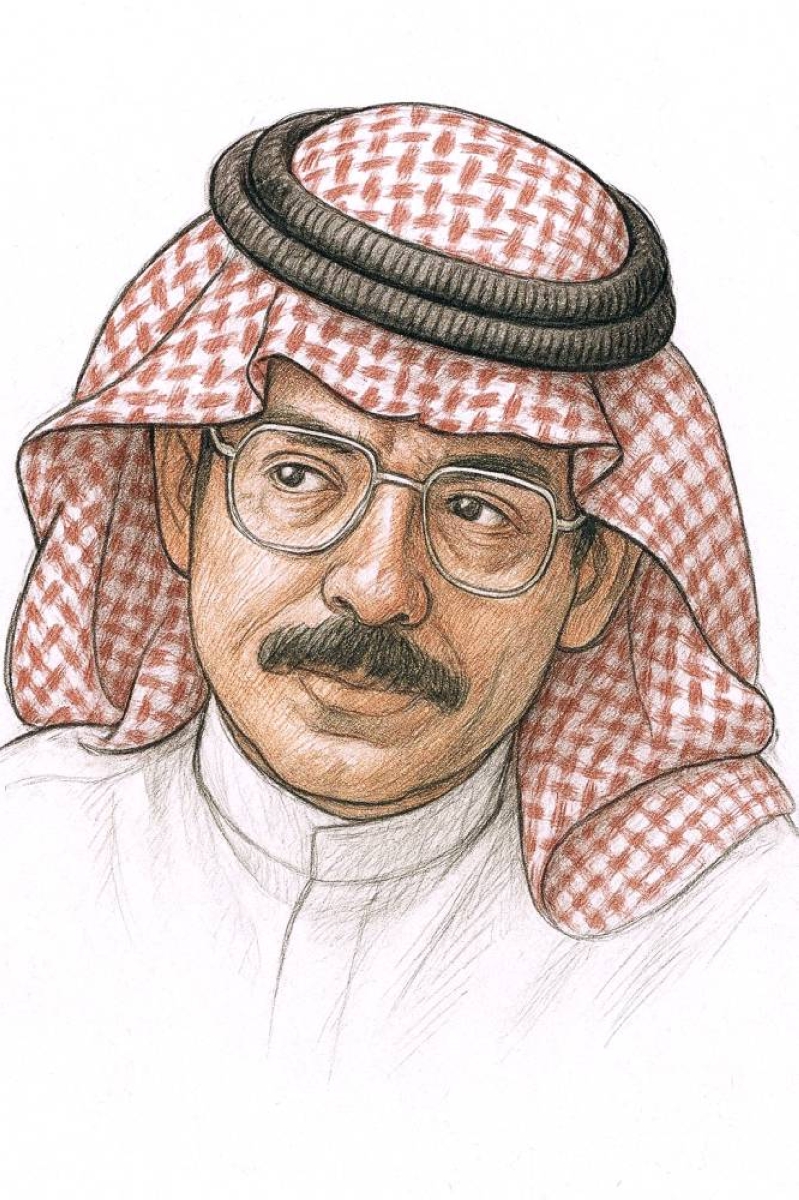
بكر الشدي


تابع قناة عكاظ على الواتساب
«عكاظ» (جدة) OKAZ_online@
Bakr Al-Shadi was on his way to becoming the voice that would restore the aesthetic and human consciousness of Saudi art when he was suddenly taken from us at the moment the world was preparing to listen to him. He was not just a fleeting artist on stage, but an idea walking on the theater, embodying his belief that art is a consciousness of life more than it is a craft of acting.
Al-Shadi was born in Al-Biqaiq in 1959, and in his early features, the traits of an intellectual were more pronounced than those of an actor. He studied English literature and earned a master's degree from King Saud University, becoming one of the first to combine art with academic study. From there, he stepped onto the stage with the spirit of a teacher and thinker, believing that theater is not just a platform for performance, but a mirror that reshapes society with the language of light.
In his immortal plays, such as "Under the Chairs," "The Big House," and "The Lucky Train," Al-Shadi went beyond the text, engaging with reality, awakening the audience, and creating from every scene a new moment of awareness. He then transitioned to television drama, bringing a depth of theater to works like "Tash Ma Tash" and "The Abu Kulash Family," while maintaining his calm spirit and a smile that concealed a vast culture and a broad human perspective.
He was beloved among his colleagues and close to journalists and intellectuals, speaking about art as a message and theater as a responsibility. He did not treat acting as a profession, but as a way of thinking and living. In his later years, when illness struck him, he remained steadfast, contemplating silently, as if writing the final scene without uttering it.
He passed away in 2003, before completing the chapters of his message, and Saudi theater lost one of its most aware and innovative creators. With 22 years having passed since his departure, his name still shines like a spark that has not extinguished, and his works remind us that art is not measured by longevity, but by the depth of its impact.
Bakr Al-Shadi has departed, but the theater awaits him... as if every curtain that falls whispers his name before the lights go out.
Al-Shadi was born in Al-Biqaiq in 1959, and in his early features, the traits of an intellectual were more pronounced than those of an actor. He studied English literature and earned a master's degree from King Saud University, becoming one of the first to combine art with academic study. From there, he stepped onto the stage with the spirit of a teacher and thinker, believing that theater is not just a platform for performance, but a mirror that reshapes society with the language of light.
In his immortal plays, such as "Under the Chairs," "The Big House," and "The Lucky Train," Al-Shadi went beyond the text, engaging with reality, awakening the audience, and creating from every scene a new moment of awareness. He then transitioned to television drama, bringing a depth of theater to works like "Tash Ma Tash" and "The Abu Kulash Family," while maintaining his calm spirit and a smile that concealed a vast culture and a broad human perspective.
He was beloved among his colleagues and close to journalists and intellectuals, speaking about art as a message and theater as a responsibility. He did not treat acting as a profession, but as a way of thinking and living. In his later years, when illness struck him, he remained steadfast, contemplating silently, as if writing the final scene without uttering it.
He passed away in 2003, before completing the chapters of his message, and Saudi theater lost one of its most aware and innovative creators. With 22 years having passed since his departure, his name still shines like a spark that has not extinguished, and his works remind us that art is not measured by longevity, but by the depth of its impact.
Bakr Al-Shadi has departed, but the theater awaits him... as if every curtain that falls whispers his name before the lights go out.