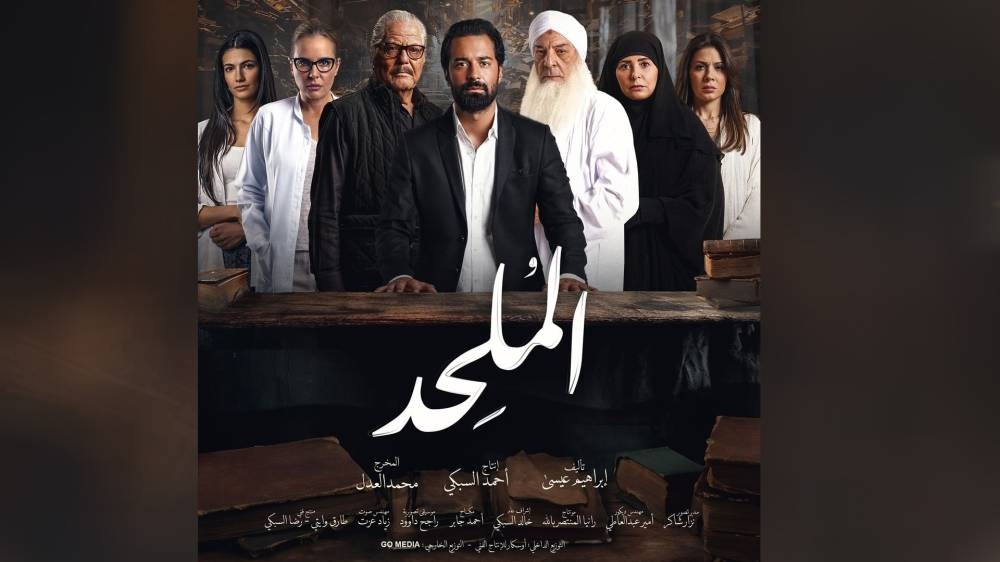
أرجأت محكمة القضاء الإداري بمجلس الدولة في مصر، جلسة البت في الدعوى القضائية المقدّمة من المستشار مرتضى منصور، التي يطالب فيها بوقف عرض فيلم الملحد وسحب الترخيص الصادر له، إلى جلسة جديدة تُعقد في 12 أكتوبر المقبل، في وقت يتزايد فيه النقاش القانوني حول حرية الإبداع الفني وحدود التدخل الرقابي.
وتقدّم المحامي هاني سامح بدعوى أمام المحكمة ذاتها، طالب فيها بتمكين الفيلم من العرض في دور السينما داخل مصر، مشيرًا إلى أن العمل الفني قد حصل على موافقة رسمية من الرقابة على المصنفات السمعية والبصرية، برقم ترخيص 121 لعام 2023.
وشدّدت الدعوى على ضرورة التصدي لما وصفته بـ«التيارات الرجعية والتكفيرية»، مع المطالبة بإحالة من يحاولون فرض رقابة فكرية على الأعمال الفنية إلى النيابة العامة، بتهم ترتبط بالتطرف الفكري والمساس بالدولة المدنية.
وخلال مرافعته، أكّد سامح أن حرية الإبداع الفني من الحقوق التي يكفلها الدستور، مستشهدًا بأعمال سينمائية تناولت موضوعات مشابهة مثل «الإرهابي»، و«طيور الظلام»، و«المصير»، التي تناولت قضايا فكرية وصراعات أيديولوجية.
واعتبر أن استمرار هذه الأعمال ضرورة في ظل ما وصفه بمحاولات فرض نماذج فكرية أحادية، موضحًا أن الفن المصري يشكّل جزءًا أصيلًا من الهوية الثقافية الحديثة، ويمثّل جبهة وعي في مواجهة مفاهيم الإقصاء والتشدد.
واعتمدت الدعوى المقدّمة في هذا الإطار على أحكام القانون رقم 430 لسنة 1955 المنظّم للرقابة على المصنفات الفنية، الذي يُخصّص سلطة إصدار التراخيص للجهات المختصة دون غيرها، وطالبت بإحالة أي جهة أو أفراد يتجاوزون هذه الاختصاصات إلى النيابة العامة بتهمة التعدي على اختصاصات الدولة.
The Administrative Court of the State Council in Egypt has postponed the session to decide on the lawsuit filed by Counselor Mortada Mansour, in which he demands the suspension of the screening of the film "The Atheist" and the revocation of the license issued for it, to a new session scheduled for October 12. This comes at a time when legal discussions are increasing regarding the freedom of artistic creativity and the limits of censorship intervention.
Lawyer Hani Samah submitted a lawsuit before the same court, requesting that the film be allowed to be screened in cinemas within Egypt, pointing out that the artistic work has received official approval from the censorship authority for audio and visual works, with license number 121 for the year 2023.
The lawsuit emphasized the necessity of confronting what it described as "regressive and extremist currents," calling for the prosecution of those who attempt to impose intellectual censorship on artistic works to the public prosecution, on charges related to intellectual extremism and undermining the civil state.
During his plea, Samah affirmed that the freedom of artistic creativity is one of the rights guaranteed by the constitution, citing cinematic works that addressed similar themes such as "The Terrorist," "Birds of Darkness," and "Destiny," which dealt with intellectual issues and ideological conflicts.
He considered that the continuation of these works is essential in light of what he described as attempts to impose unilateral intellectual models, clarifying that Egyptian art constitutes an integral part of modern cultural identity and represents a front of awareness against concepts of exclusion and extremism.
The lawsuit submitted in this context relied on the provisions of Law No. 430 of 1955, which regulates the censorship of artistic works, which allocates the authority to issue licenses to the competent authorities exclusively, and called for the referral of any entity or individuals who exceed these competencies to the public prosecution on charges of infringing on the state's competencies.