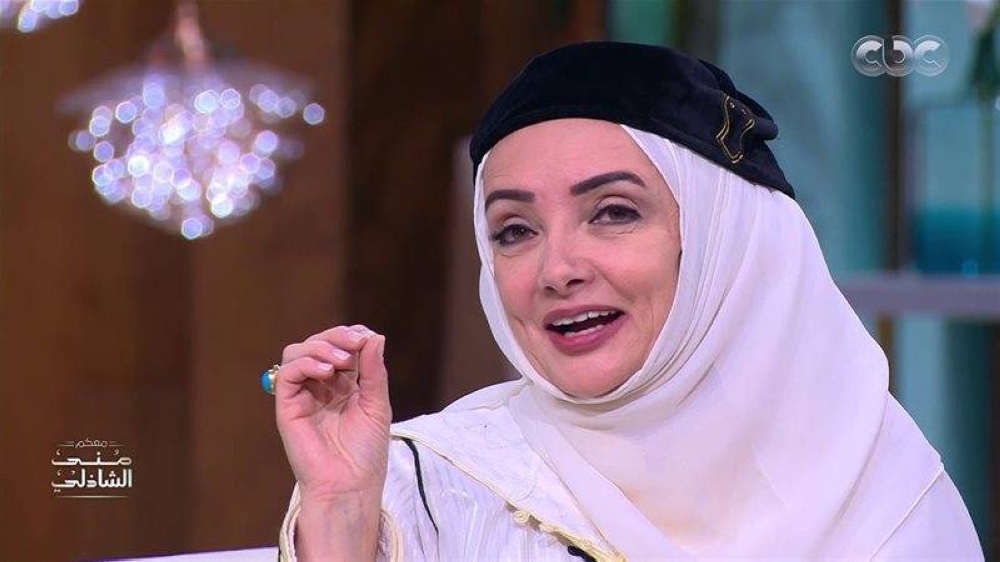
أكدت الفنانة المصرية عايدة الأيوبي، بأن عودتها للغناء بعد سنوات من ارتداء الحجاب لم يكن مخططاً لها، بل جاءت نتيجة شوقها للتواصل مع الجمهور، وشعورها بأن لديها ما تود أن تعبر عنه.
وقالت في تصريحات صحفية «الحجاب لم يكن في يوم من الأيام عائقاً لي أمام فني، بل كان امتداداً لقناعاتي الشخصية، مشيرة إلى اختيارها الفن الروحي والوجداني لنفسها، سواء في الأغاني الدنيوية أو في الأناشيد والتواشيح التي قدمتها في حفلات خاصة خلال شهر رمضان».
كما كشفت عن عمل جديد بعنوان «بحلم»، من كلماتها وألحانها، تعاملت فيه مع الموزّع شادي مؤنس والمُهندس رفيق عدلي، مؤكدة أن الأغنية خرجت من تجربة شعورية عميقة، حملت فيها ما لم تستطع قوله بالكلام، كما تستعد الأيوبي لطرح فيلمها الجديد «5 جولات» ويشاركها البطولة ماجد المصري ونور النبوي وبسنت شوقي وآدم الشرقاوي وتأليف محمد عبدالمعطي وإخراج مازن أشرف، ويتحدث عن رياضة MMA، ورحلة تحديات شاب، كما يحكي أيضاً عن مغني الراب وتفاصيل «الراب باتلز» والصعوبات التي تواجه هؤلاء الشباب.
وأشارت الأيوبي إلى أن الفن بالنسبة لها «موقف إنساني»، لا وظيفة، ولا وسيلة للتجميل، معتبرة بأن كل لحظة غناء فرصة لاكتشاف ذاتها من جديد، فهي تعيش الفن كرحلة وكل إحساس وعودة لها كأنها تولد من جديد.
وذكرت بأنها لم تكن مهتمة بالظهور الإعلامي المتكرر بل فضّلت دائماً أن تخرج للجمهور فقط حين يكون لديها ما يستحق أن يُقال أو يُغنى.
وعن الأعمال التي تقدمها أكدت بأن الاختيار يخضع دائماً لمعايير وجدانية، وليس لحسابات السوق أو الانتشار.
وأضافت أحد أكبر التحديات التي واجهتني في بداياتي كان اعتراض بعض الجهات على كلمات «على بالي»، بزعم أنها «لا تليق بالذوق العام»، مشيرة إلى أن هذا الموقف كان صادماً بالنسبة لها، لكنه زادها تمسكاً بنصها وإيمانها بأن الفن لا يُقاس بالقوالب التقليدية.
واستطردت في الحديث عن أغنية «على بالي» قائلة إنها لم تكن مجرد بداية لمسيرتها الفنية، بل كانت بمثابة لحظة خاصة من لحظات البوح الإنساني، كتبتها وهي في حالة من الغربة والحنين، دون أن تتوقع أن تتحول إلى عمل سيعيش في وجدان الناس لسنوات طويلة.
وأوضحت أن الأغنية «خرجت منها بشكل تلقائي أثناء دراستها في الجامعة الألمانية بالقاهرة، وأن كلماتها كانت انعكاساً لمشاعر عميقة تجاه شقيقها الذي كان قد غادر إلى ألمانيا»، ما ولّد في داخلها إحساساً بالفقد والفراغ.
The Egyptian artist Aida Al-Ayoubi confirmed that her return to singing after years of wearing the hijab was not planned, but rather a result of her longing to connect with the audience and her feeling that she had something to express.
She stated in press statements, "The hijab was never an obstacle for me in my art; rather, it was an extension of my personal convictions," pointing out her choice of spiritual and emotional art for herself, whether in worldly songs or in the hymns and chants she presented at private concerts during Ramadan.
She also revealed a new work titled "Bahlam," with lyrics and melodies by her, in which she collaborated with the arranger Shadi Moanis and the engineer Rafiq Adly, confirming that the song emerged from a deep emotional experience, carrying what she could not express in words. Al-Ayoubi is also preparing to release her new film "5 Joulats," co-starring Majed Al-Masry, Nour Al-Nabawy, Basant Shawky, and Adam El-Sharkawy, written by Mohamed Abdel-Maati and directed by Mazen Ashraf. The film discusses MMA sports and the journey of a young man's challenges, as well as the details of rap battles and the difficulties faced by these young people.
Al-Ayoubi indicated that art for her is "a human stance," not a job or a means of beautification, considering that every moment of singing is an opportunity to rediscover herself anew. She experiences art as a journey, and every feeling and return to it is as if she is being born again.
She mentioned that she was not interested in frequent media appearances, preferring to present herself to the audience only when she had something worth saying or singing.
Regarding the works she presents, she confirmed that the selection is always subject to emotional criteria, not market calculations or popularity.
She added that one of the biggest challenges she faced in her early days was the objection of some parties to the lyrics of "Ala Bali," claiming that they "do not suit public taste," noting that this stance was shocking for her, but it made her more determined to hold on to her text and believe that art cannot be measured by traditional molds.
She continued discussing the song "Ala Bali," saying that it was not just the beginning of her artistic career, but rather a special moment of human expression, written while she was in a state of alienation and longing, without expecting it to become a work that would live in people's hearts for many years.
She clarified that the song "came out of her spontaneously while studying at the German University in Cairo, and its lyrics were a reflection of deep feelings towards her brother who had left for Germany," which generated within her a sense of loss and emptiness.