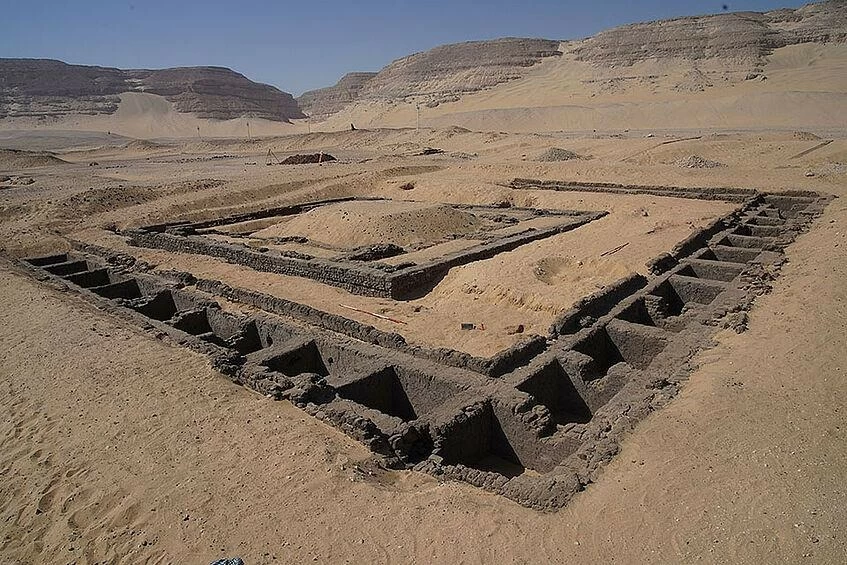
بعد نحو 5 آلاف عام على دفنهم بالقرب من مقابر ملوك مصر القديمة، أعادت جماجم بشرية اكتُشفت قبل قرن من الزمن فتح أحد أكثر ألغاز التاريخ المصري إثارة للجدل، بعدما كشفت فحوص جنائية حديثة عن إصابات قد تشير إلى تعرض بعض أفراد الحاشية الملكية للقتل، بهدف مرافقة حكامهم إلى العالم الآخر.
وأظهرت دراسة نشرتها مجلة «Frontiers in Environmental Archaeology» في 5 أكتوبر الماضي، أن 18 جمجمة من أصل 46 خضعت للفحص تحمل آثار إصابات يُرجح وقوعها قرب وقت الوفاة، ما يعزز فرضية ممارسة التضحية البشرية خلال عهد الأسرة المصرية الأولى قبل نحو 5 آلاف عام.
جماجم تكشف ما خفي قبل قرن
وتعود الجماجم إلى مقابر فرعية تحيط بمدافن ملكية في منطقة «أم القعاب» بأبيدوس جنوبي مصر، حيث اكتشف عالم الآثار البريطاني فلندرز بيتري خلال عشرينات القرن الماضي مئات القبور المجاورة لمقابر الملوك.
ورجّح بيتري آنذاك أن المدفونين كانوا من الخدم والمسؤولين والحرفيين الذين ربما قُتلوا عقب وفاة حكامهم، إلا أن غياب أدلة واضحة على العنف أبقى هذه الفرضية موضع خلاف بين الباحثين لعقود.
إصابات قاتلة في 39% من الجماجم
وأعادت الباحثة روزلين كامبل، من جامعة بوردو الأمريكية، فحص الجماجم المحفوظة في جامعة كامبريدج البريطانية، مستعينة بالمعرفة الحديثة في الطب الشرعي وعلم الآثار الحيوية.
وكشف التحليل عن كسور في عظام الرأس لدى 18 شخصًا، تمثل نحو 39% من العينة، شملت إصابات يُحتمل أنها نتجت عن ضربات بأجسام صلبة، إلى جانب آثار إصابات حادة قرب العين.
وأوضحت الباحثة أن بعض هذه الضربات كان كافيًا للتسبب في فقدان الوعي والنزيف الداخلي والوفاة، مشيرة إلى أن وسائل الفحص الحديثة أتاحت إعادة تفسير كسور اعتُقد سابقًا أنها ناجمة عن تلف العظام بعد الدفن.
هل قُتلوا لخدمة الملوك بعد الموت؟
وترجح الدراسة أن بعض أفراد الحاشية ربما قُتلوا ضمن طقوس جنائزية اعتقد أصحابها أن الخدم سيواصلون خدمة ملوكهم في الحياة الأخرى.
لكن النتائج لم تحسم أسباب وفاة جميع المدفونين، كما لا تثبت أن كل فرد من الحاشية تعرض للقتل المتعمد.
وفي المقابل، أثارت الدراسة اعتراضات علمية، إذ انتقدت عالمة الأشعة الأثرية المصرية سحر سليم الاعتماد على عينة محدودة من الجماجم دون فحوص تصويرية متقدمة، معتبرة أن النتائج لا تكفي لإثبات وقوع عمليات قتل جماعي مرتبطة بالدفن الملكي.
ويأمل الباحثون أن تسهم دراسات إضافية للبقايا البشرية والمقابر القديمة في توضيح حقيقة هذه الممارسات، وحسم الجدل المستمر منذ أكثر من قرن بشأن مصير الأشخاص الذين دُفنوا بجوار حكام مصر الأوائل.
After nearly 5,000 years of being buried near the tombs of the kings of ancient Egypt, human skulls discovered a century ago have reopened one of the most controversial mysteries of Egyptian history, as recent forensic examinations revealed injuries that may indicate some members of the royal entourage were killed to accompany their rulers to the afterlife.
A study published in the journal “Frontiers in Environmental Archaeology” on October 5 revealed that 18 skulls out of 46 examined showed signs of injuries likely sustained close to the time of death, reinforcing the hypothesis of human sacrifice during the reign of the First Egyptian Dynasty around 5,000 years ago.
Skulls reveal what was hidden a century ago
The skulls belong to subsidiary tombs surrounding royal burials in the “Um al-Qa’ab” area of Abydos in southern Egypt, where British archaeologist Flinders Petrie discovered hundreds of graves adjacent to the kings' tombs in the 1920s.
Petrie suggested at the time that those buried were servants, officials, and artisans who may have been killed following the deaths of their rulers, but the lack of clear evidence of violence kept this hypothesis contentious among researchers for decades.
Fatal injuries in 39% of the skulls
Researcher Roslyn Campbell from Purdue University re-examined the skulls preserved at the University of Cambridge, utilizing modern knowledge in forensic science and bioarchaeology.
The analysis revealed fractures in the skulls of 18 individuals, representing about 39% of the sample, including injuries likely caused by blows from hard objects, along with signs of sharp force trauma near the eyes.
The researcher noted that some of these blows were sufficient to cause loss of consciousness, internal bleeding, and death, indicating that modern examination methods allowed for a reinterpretation of fractures previously thought to be due to bone damage after burial.
Were they killed to serve the kings after death?
The study suggests that some members of the royal entourage may have been killed as part of funerary rituals, believed by their owners to ensure that the servants would continue to serve their kings in the afterlife.
However, the results did not conclusively determine the causes of death for all those buried, nor do they prove that every member of the entourage was deliberately killed.
Conversely, the study faced scientific objections, as Egyptian archaeologist Sahar Selim criticized the reliance on a limited sample of skulls without advanced imaging tests, arguing that the results are insufficient to prove the occurrence of mass killings associated with royal burial.
Researchers hope that additional studies of human remains and ancient tombs will clarify the reality of these practices and resolve the ongoing debate that has persisted for over a century regarding the fate of those buried alongside the early rulers of Egypt.