خبير في شؤون جنوب شرق آسيا والصين
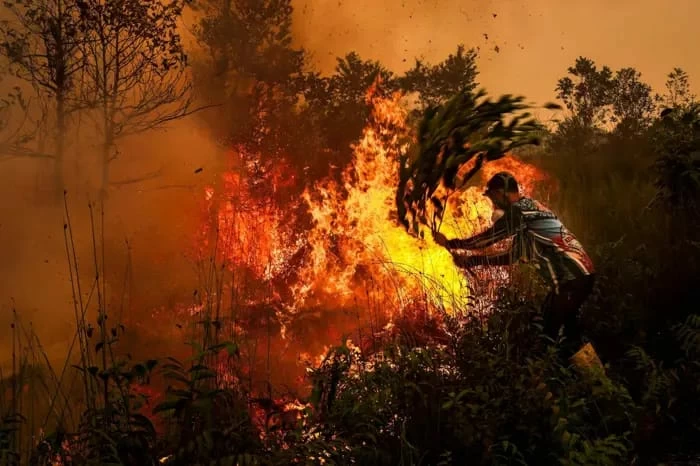
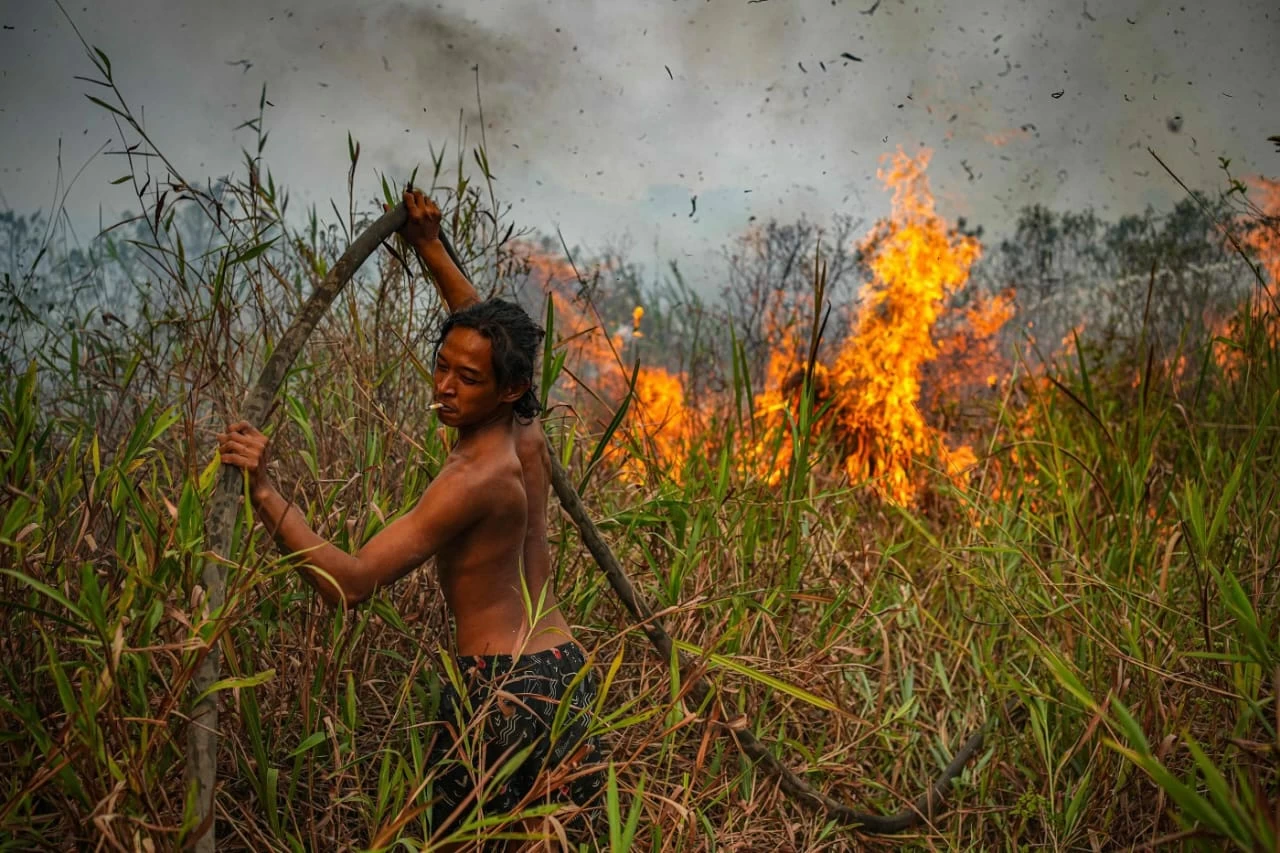
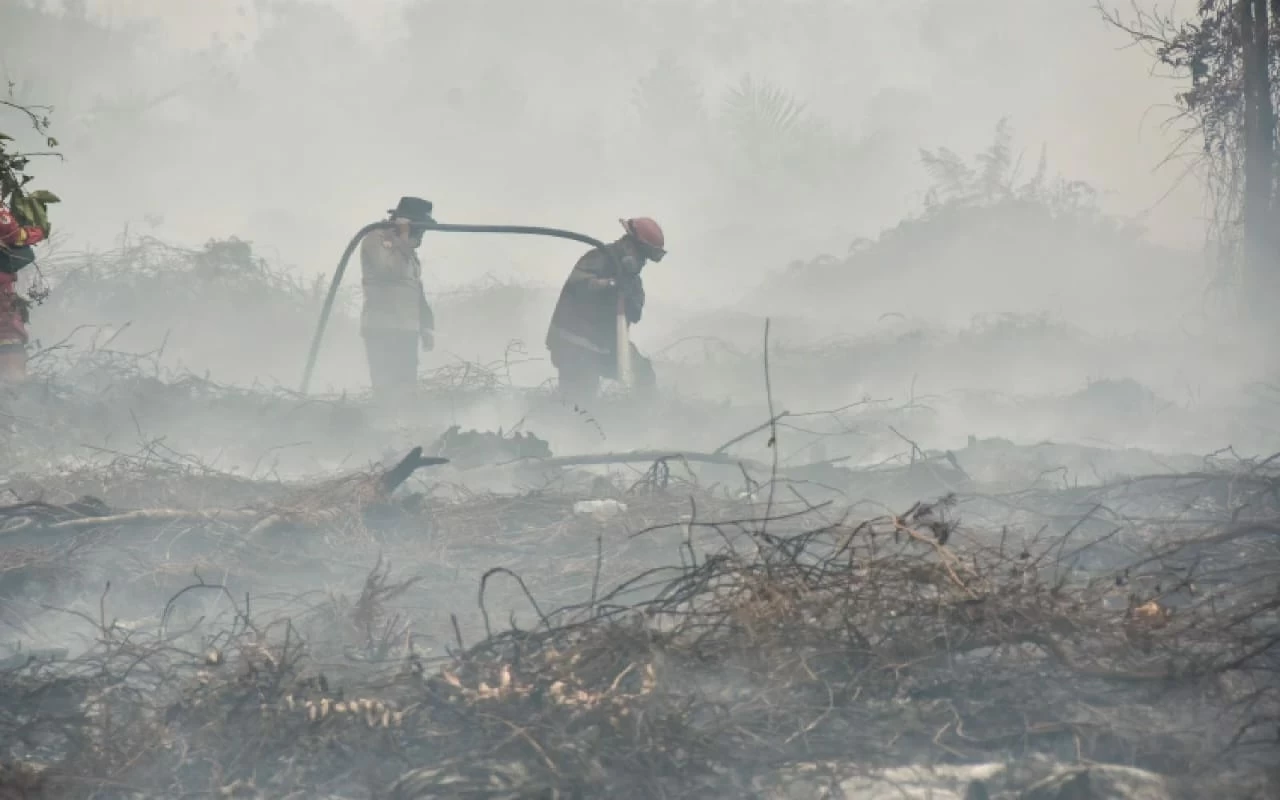
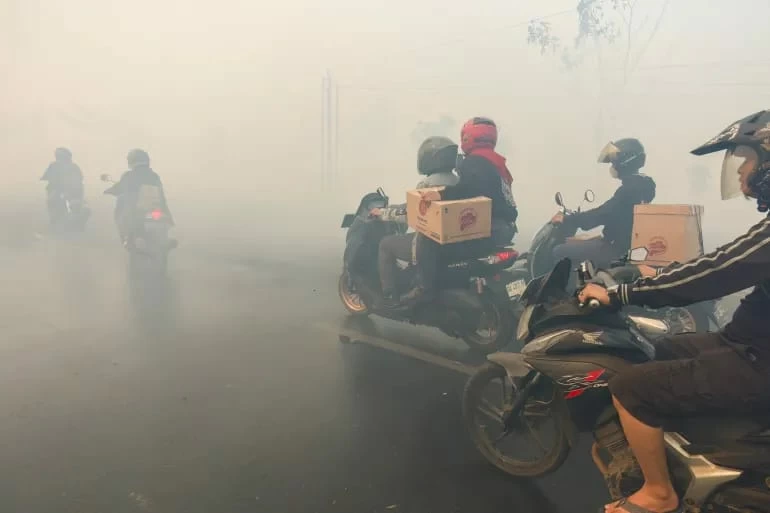
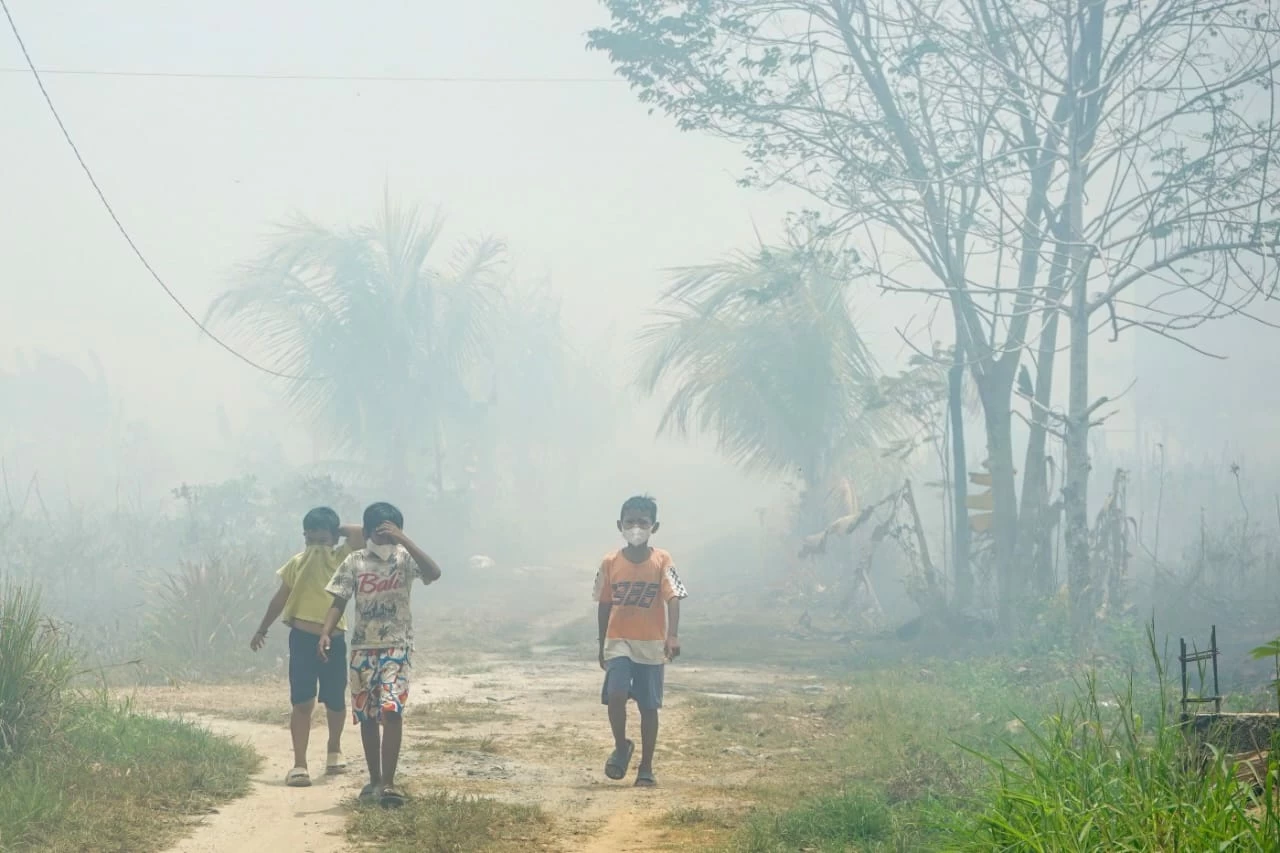
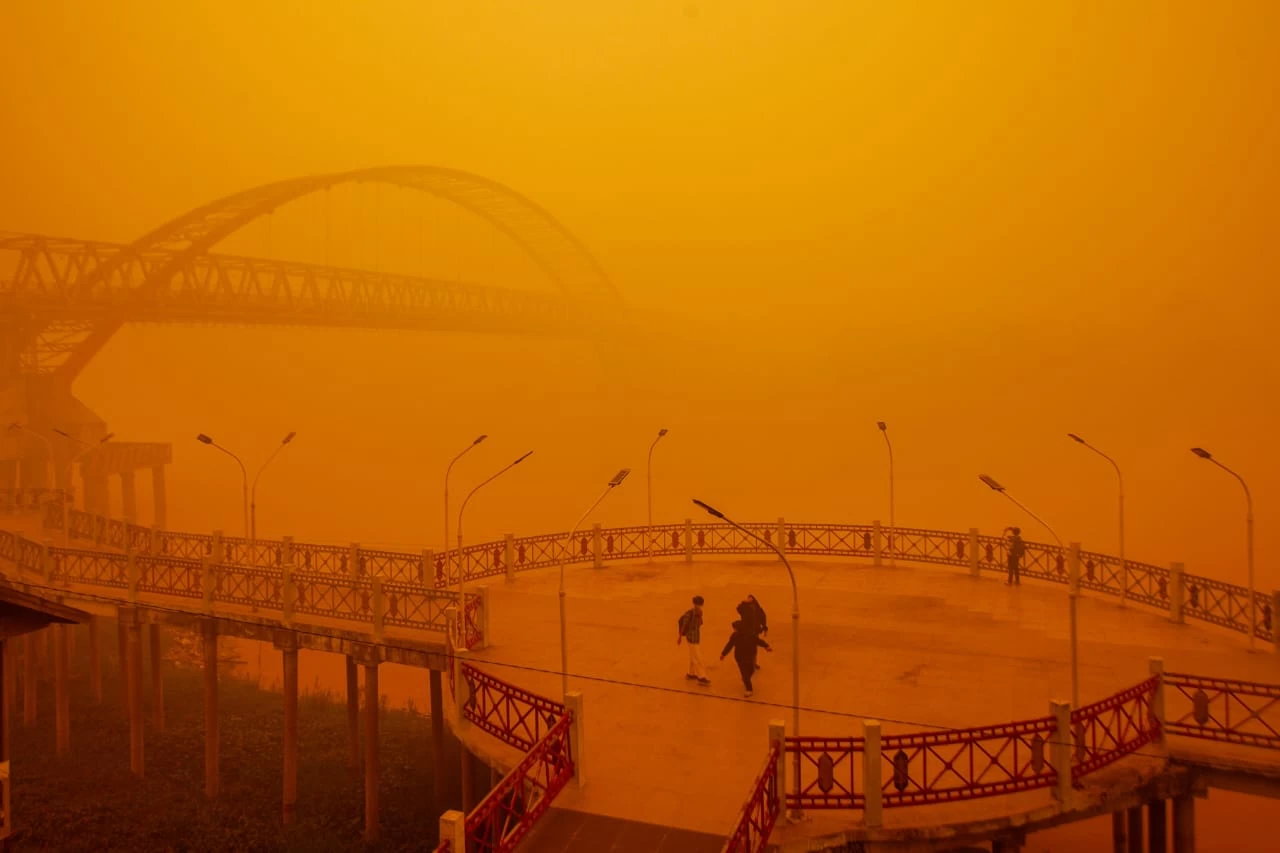
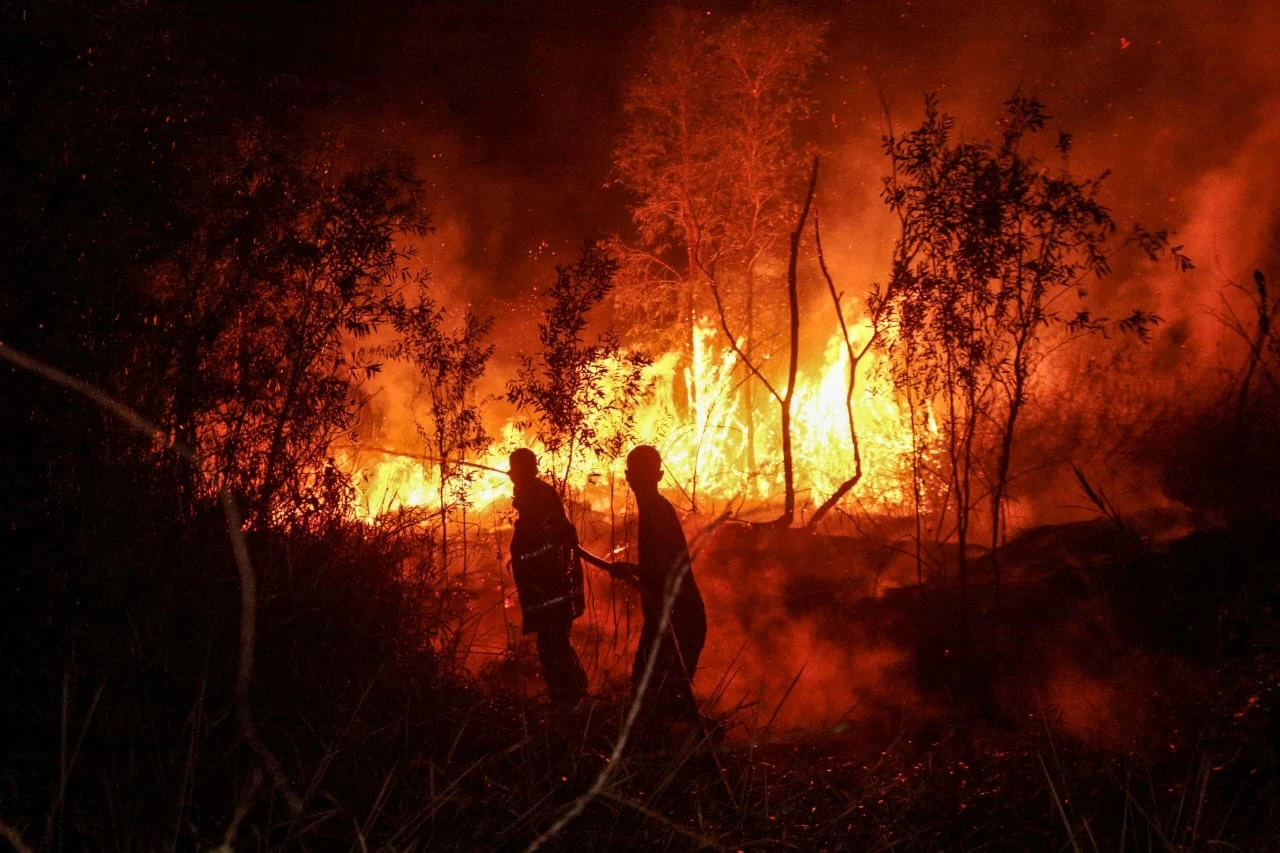
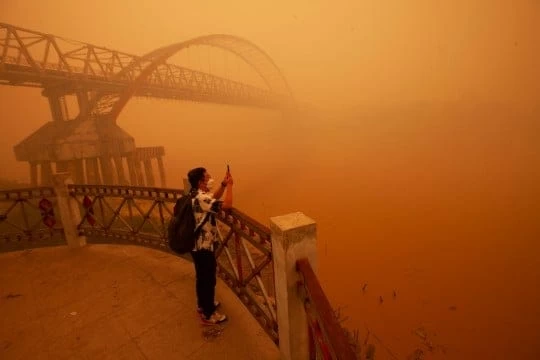
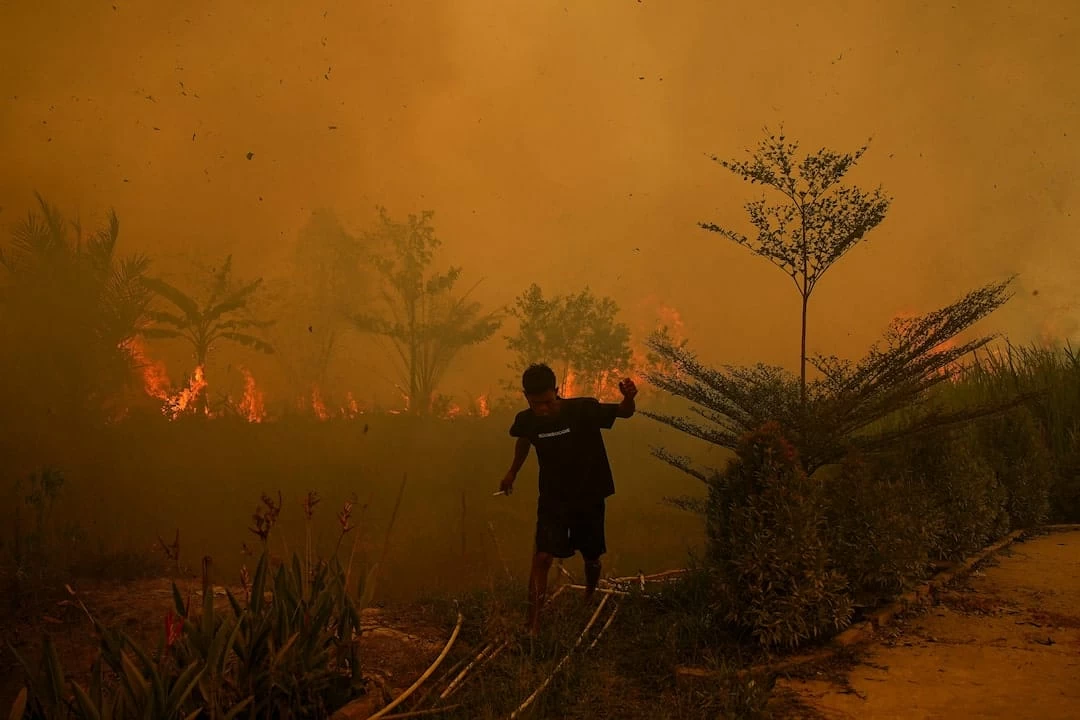
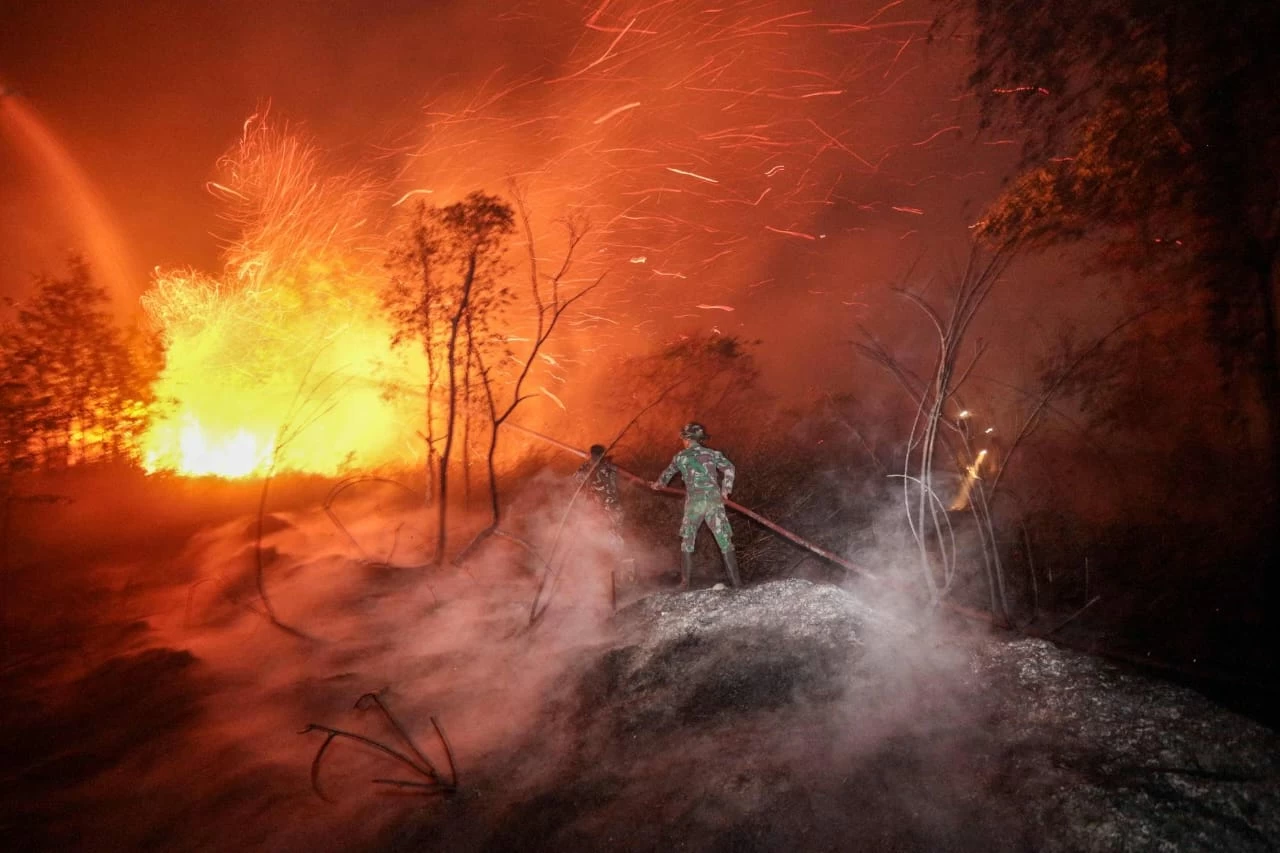
بينما كانت ألسنة اللهب تلتهم أكثر من 1.9 مليون هكتار من أراضي الغابات في إندونيسيا وغطّى ضباب برتقالي كثيف ومخيف سماء إقليم كاليمانتان، وتجاوزت مؤشر تلوث الهواء في الدولة الواقعة في جنوب شرق آسيا معدل 1200، أي أربعة أضعاف مستوى الخطر البالغ 300، حيث أكدت وزارة البيئة الإندونيسية أن البلاد تشهد أسوأ موسم حرائق منذ 11 عاماً، إلى معاناة الآلاف من مشكلات تنفسية ولجوئهم للأقنعة الطبية وأجهزة الأكسجين وتعطل حركة الطيران وانتقال المدارس إلى التعليم عن بُعد، كما تسبب دخان الحرائق في مقتل نحو 3560 شخصاً في إندونيسيا خلال شهر سبتمبر وحده، وهو ما يعادل ضعف الوفيات المقدرة في شهر أغسطس بـ(1700 وفاة) وفقاً لمركز أبحاث الطاقة والهواء النظيف، وهو جهة فنلندية معنية بالمناخ، كما تسببت هذه الكارثة البيئية في رفع مستويات تلوث الهواء في الدول المجاورة وامتد الضباب الدخاني السام إلى سنغافورة وماليزيا وبروناي وتايلند وفيتنام وتيمور الشرقية والفلبين وغيرها.
وفي المقابل كانت هناك نيران من نوع آخر تشبّ في الفضاء الرقمي، متجاوزة الحدود الجغرافية ومخترقة نسيج العلاقات بين شعوب جنوب شرق آسيا.
لم تعد حرائق الغابات المتكررة في إندونيسيا مجرد كارثة بيئية أو أزمة مناخية عابرة، بل تحولت إلى فتيل أشعل حرباً افتراضية شرسة على منصات التواصل الاجتماعي، واجتاحت موجة غير مسبوقة من «خطاب الكراهية» والاتهامات المتبادلة بين مواطني دول جنوب شرق آسيا «الآسيان».
ومن خلال متابعتي لبعض مواقع التواصل مثل «فيسبوك» و «إكس» و «يوتيوب» و«تيك توك»، نكشف ما وراء الدخان الكثيف وكيف تحولت الأبخرة السامة المتصاعدة من الأرض إلى وقود للتطرف الرقمي، وكيف تحولت البيئات الرقمية إلى ساحات لصناعة متكاملة تقوم على إثارة الغضب والانقسام الذي يهدد الهوية المشتركة والقيم الإنسانية لشعوب المنطقة.
تصاعد حدة الخطاب الرقمي ضد جاكرتا
مع تدهور جودة الهواء وبلوغ مؤشرات التلوث مستويات خطيرة في العواصم المجاورة مثل كوالالمبور وسنغافورة وغيرها، شهدت منصات التواصل الاجتماعي موجات غضب واسعة من مواطني الدول المتضررة.
ولم يقتصر هذا التفاعل الرقمي على نقد السياسات البيئية أو المطالبة بحلول رسمية، بل انحرف في كثير من الأحيان نحو هجمات وتعميمات حادة استهدفت المجتمع الإندونيسي وشيطنته ككل، مما ساهم في إذكاء التوتر الإقليمي من خلال وسوم (Hashtag) والاستفزاز والتجييش وإثارة العواطف.
وفي المقابل، رد مغردون إندونيسيون بوسوم دفاعية عن بلادهم وأخرى هجومية تتهم الجيران بـ «الجحود»، مستحضرين نغمة «أوكسجين الغابات الذي تصدره إندونيسيا طوال العام»، وقاموا بنشر «فواتير افتراضية» تطالب جيرانهم في ماليزيا وسنغافورة بدفع ثمن الأوكسجين الذي تضخه غابات إندونيسيا لهم طوال العام على حد تعبيرهم في تعليقاتهم، وأثار تصريح رئيس وكالة الاتصالات الحكومية الإندونيسية، سياهغاندا ناينغولان، موجة واسعة من الجدل إثر رده على مخاوف ماليزيا وسنغافورة حيال أزمة الضباب الدخاني العابر للحدود، إذ قال ناينغولان في معرض تعليقه على الأزمة: «نحن لا نرسل الدخان فقط، فعندما لا يكون هناك ضباب، نرسل الأكسجين أيضاً، والأكسجين في ماليزيا وسنغافورة يأتي من غاباتنا»، وهو الطرح الذي اعتبره وفهمه الآخرون تقليلاً من خطورة التداعيات البيئية والصحية للأزمة وتبريراً لفشل جاكرتا في تعاونها مع الحكومات المعنية بمنطقة جنوب شرق آسيا في تنفيذ اتفاقية آسيان للحد من التلوث العابر للحدود.
الخوارزميات وصناعة الكراهية
لعبت خوارزميات المنصات دوراً خفياً في تأجيج الصراع؛ حيث انحازت للمنشورات الأكثر إثارة للغضب والعدائية، التي تُعلي من «المحتوى التفاعلي» حتى وإن كان قائماً على العنف اللفظي أو العنصرية أو التّحريض ولأنها تضمن بقاء المستخدمين لفترة أطول في التراشق، وهو ما منح «المؤثرين الشعبويين ومشاهير الفلس» الباحثين عن تحقيق تفاعلاً أعلى (إعجابات، تعليقات، ومشاركات)، مساحة أكبر للانتشار، مما أدى إلى تهميش صوت العقل والخطاب المعتدل والتقارير العلمية لصالح المحتوى المثير للجدل الذي ساهم في تضخيم الخلافات الشعبية على حساب الجذور الحقيقية للمشكلة، فالعديد من هذه الحرائق تندلع بشكل متعمد من قبل شركات زراعية كبرى وعابرة للحدود لتطهير وتنظيف الأراضي بطرق رخيصة لزراعة أشجار زيت النخيل.
ويؤدي التركيز على المشاحنات الجانبية بين شعوب المنطقة إلى حجب الأنظار عن المسؤولية القانونية والمؤسسية لهذه الشركات المتورطة والانشغال عن المطالبة بمحاسبتها ومحاكمتها.
وفي الحقيقة رصدت مبادرات لافتة من مواطنين وناشطين إندونيسيين قاموا بنشر رسائل اعتذار للمتضررين في الدول المجاورة، مؤكدين على وحدة المعاناة وأن الشعوب هي المتضرر الأول من هذه الكوارث، إلا أن هذه المحاولات في مد الجسور الإنسانية لم تجد لها موطئ قدم في الفضاء الرقمي، لقد ابتلعتها خوارزميات المنصات التي لا تحظى فيها رسائل السلام والإخاء بالانتشار، مما حرم أصوات التهدئة والطرح المتزن من الوصول، وترك الساحة كاملة لمن يقتاتون على إشعال الفتن.
التزييف الرقمي واجتزاء التصريحات
في هذه المعركة الرقمية تم استخدام «الفيديو القصير» والصور المعدلة عبر برامج المونتاج وتطبيقات الذكاء الاصطناعي لاختلاق واقع مشوه ومزيف، على سبيل المثال:
* اجتزاء تصريحات للمسؤولين الإندونيسيين وإخراجها عن سياقها وتفسيرها بطريقة خاطئة أو مبالغ فيها لم يقصدها المتحدث، وإظهارهم بشكل ساخر وكأنهم لا يبالون بمعاناة جيرانهم، وذلك لخدمة أجندة معينة ومهاجمتهم بلغة ازدرائية.
* تركيب مقاطع فيديو قديمة أو من دول أخرى ونسبها للأزمة الحالية لزيادة مشاعر الغضب والاحتقان.
* تعديل وتلاعب بصور الضباب الدخاني بشكل مبالغ فيه وتداول مقاطع فيديو قصيرة تُظهر مواطني دول الجوار وهم يرتدون أقنعة غاز ضخمة برسم هزلي مع عبارات تهكمية وتنمرية تقلل من شأن الجهود الإندونيسية في مكافحة الحرائق، وتصوّر الدولة ومواطنيها كمصدر للتلوث وإظهارهم كـ «مجرمين بيئيين» يتعمدون خنق المنطقة.
الحسابات الوهمية.. نافخ الكير
لم يكن الصراع الرقمي مجرد ردود أفعال عفوية من مستخدمين غاضبين، بل كشفت المؤشرات الرقمية عن دخول مكثف لحسابات وهمية والروبوتات الآلية (Bots) على خط الأزمة. وعملت هذه الحسابات المجهولة وفق إستراتيجية تضخيم ممنهجة للإقصاء والإلغاء والتهميش، والحط من قدر الآخر؛ حيث قادت عمليات نشر واسعة لوسوم الكراهية والتروِّيج لمواضيع تثير التشكيك بجهود جاكرتا وتنشر صوراً وأفكاراً تبثّ التفرقة، وتولّت جيوش الذباب الإلكتروني مهمة التعليق السلبي والشتم والتنمر وإعادة تغريد المنشورات الأكثر تطرفاً وإثارة للفتنة لتبدو وكأنها رأي عام سائد.
هذا الضخ الآلي المتعمد نجح في شحن الأجواء وخلق انطباعاً خادعاً كاذباً بوجود عداء وتنافر شعبي متجذر، في حين أن المحرك الحقيقي لم يكن سوى برمجيات خبيثة تستهدف ضرب الاستقرار الإقليمي لمنظومة الآسيان.
دعوات مقاطعة المنتجات الإندونيسية
ولم يقف التوتر عند حدود النقاش الافتراضي؛ حيث نقلت وسائل إعلام في جنوب شرق آسيا تقارير ترصد تنامي مطالبات من بعض الناشطين والمستهلكين في الدول المجاورة لمقاطعة المنتجات والبضائع الإندونيسية بطريقة استعلائية تقلل من جودتها، «ركوباً للترند» واستغلالاً للأزمة. حيث مَثَّلَ هذا التطور تصعيداً للأزمة، وهو ما قد يلقي بظلاله مستقبلاً على حركة التجارة البينية والأسواق المشتركة في المنطقة، ويتسبب في حدوث شروخ وتعميق الفجوات في العلاقات الإنسانية.
إخماد النيران الرقمية.. تحدي الآسيان القادم
كشفت أزمة حرائق الغابات في إندونيسيا عن حقيقة مرّة؛ فلم يعد الضباب مجرد جزيئات سامة تستقر في الرئات، بل تحوّل إلى لوثة فكرية تغزو العقول عبر الفضاء الرقمي. لقد أكدت هذه الأزمة على أن الأمن البيئي في عصرنا لا ينفصل عن الأمن الرقمي والسلم المجتمعي، وأن التغير المناخي لم يعد يهدد جغرافية الأرض فحسب، بل بات يهدد الهوية المشتركة وروابط الأخوّة بين شعوب الآسيان.
لم يعد كافياً اليوم أن تبحث دول المنطقة عن استراتيجيات وحلول بيئية وتكنولوجية لإخماد نيران الغابات، بل أصبح لزاماً عليها صياغة «ميثاق شرف رقمي» يطفئ النيران الافتراضية قبل أن تلتهم الروابط والعلاقات الوشيجة الشعبية.
إن مواجهة الكوارث المناخية تتطلب وعياً جمعياً يتجاوز الخوارزميات التي تقتات على الغضب، وإيماناً راسخاً بأن مصيرنا مرتبط بإنقاذ كوكبنا وجوارنا معاً، وإلا فإننا سنختنق جميعاً بدخان الأحقاد والكراهية.
Expert in Southeast Asia and China Affairs
As flames consumed more than 1.9 million hectares of forest land in Indonesia and a thick, frightening orange haze covered the sky over the Kalimantan region, the air pollution index in the Southeast Asian nation exceeded 1200, four times the danger level of 300. The Indonesian Ministry of Environment confirmed that the country is experiencing the worst fire season in 11 years, leading to thousands suffering from respiratory issues, resorting to medical masks and oxygen devices, disruptions in air travel, and schools shifting to remote education. The smoke from the fires resulted in the deaths of approximately 3,560 people in Indonesia in September alone, which is double the estimated fatalities in August (1,700 deaths), according to the Center for Research on Energy and Clean Air, a Finnish climate organization. This environmental disaster also raised air pollution levels in neighboring countries, with toxic haze extending to Singapore, Malaysia, Brunei, Thailand, Vietnam, East Timor, the Philippines, and others.
In contrast, another kind of fire ignited in the digital space, transcending geographical boundaries and penetrating the fabric of relations among the peoples of Southeast Asia.
The recurring forest fires in Indonesia have become more than just an environmental disaster or a fleeting climate crisis; they have turned into a spark that ignited a fierce virtual war on social media platforms, unleashing an unprecedented wave of "hate speech" and mutual accusations among citizens of ASEAN countries.
Through my monitoring of social media platforms such as Facebook, X, YouTube, and TikTok, we reveal what lies behind the thick smoke and how the toxic fumes rising from the ground have turned into fuel for digital extremism, and how digital environments have transformed into arenas for an integrated industry that thrives on inciting anger and division, threatening the shared identity and human values of the region's peoples.
Escalation of Digital Rhetoric Against Jakarta
With the deterioration of air quality and pollution indicators reaching dangerous levels in neighboring capitals like Kuala Lumpur and Singapore, social media platforms witnessed widespread anger from citizens of the affected countries.
This digital interaction was not limited to criticizing environmental policies or demanding official solutions; it often veered into sharp attacks and generalizations targeting the Indonesian community as a whole, contributing to regional tensions through hashtags, provocations, mobilization, and emotional appeals.
In response, Indonesian Twitter users posted defensive hashtags about their country and others that accused neighbors of "ingratitude," invoking the theme of "the forest oxygen that Indonesia exports all year round." They circulated "virtual bills" demanding that their neighbors in Malaysia and Singapore pay for the oxygen that Indonesia's forests provide them throughout the year, as expressed in their comments. The statement by the head of the Indonesian government communications agency, Syahganda Nainggolan, sparked widespread controversy after he responded to Malaysia and Singapore's concerns about the transboundary haze crisis, saying, "We don't just send smoke; when there is no haze, we also send oxygen, and the oxygen in Malaysia and Singapore comes from our forests." This statement was perceived by others as downplaying the seriousness of the environmental and health repercussions of the crisis and justifying Jakarta's failure to cooperate with the relevant governments in Southeast Asia to implement the ASEAN agreement to reduce transboundary pollution.
Algorithms and the Manufacturing of Hate
The algorithms of the platforms played a covert role in fueling the conflict; they favored posts that were most provocative and hostile, elevating "interactive content" even if it was based on verbal violence, racism, or incitement, as they ensured users remained engaged longer in the back-and-forth. This provided populist influencers and celebrity figures seeking higher engagement (likes, comments, shares) with greater space for dissemination, marginalizing the voice of reason, moderate discourse, and scientific reports in favor of controversial content that amplified popular disagreements at the expense of the true roots of the problem. Many of these fires are deliberately ignited by major transnational agricultural companies to clear and clean land cheaply for palm oil cultivation.
Focusing on side disputes among the peoples of the region distracts attention from the legal and institutional responsibility of these involved companies and diverts from calls for accountability and prosecution.
In fact, notable initiatives from Indonesian citizens and activists have emerged, who have posted apology messages to those affected in neighboring countries, emphasizing shared suffering and that the peoples are the primary victims of these disasters. However, these attempts to build humanitarian bridges have found no foothold in the digital space; they have been swallowed by the algorithms of platforms that do not allow messages of peace and fraternity to spread, depriving voices of calm and balanced discourse from reaching, leaving the field entirely to those who thrive on igniting discord.
Digital Fabrication and Misrepresentation of Statements
In this digital battle, "short videos" and edited images through editing software and artificial intelligence applications were used to create a distorted and fake reality. For example:
* Extracting statements from Indonesian officials and taking them out of context, interpreting them in a misleading or exaggerated manner that the speaker did not intend, and portraying them sarcastically as if they were indifferent to the suffering of their neighbors, serving a particular agenda and attacking them in a derogatory language.
* Compiling old video clips or from other countries and attributing them to the current crisis to heighten feelings of anger and resentment.
* Exaggerating and manipulating images of the haze and circulating short videos showing citizens of neighboring countries wearing oversized gas masks in a cartoonish manner with mocking and derogatory phrases that belittle Indonesia's efforts in combating the fires, depicting the country and its citizens as a source of pollution and portraying them as "environmental criminals" deliberately choking the region.
Fake Accounts.. The Bellows Blower
The digital conflict was not merely spontaneous reactions from angry users; digital indicators revealed an intensive entry of fake accounts and automated bots into the crisis. These anonymous accounts operated under a systematic strategy of amplification for exclusion, cancellation, and marginalization, and devaluation of the other; they led extensive campaigns to spread hate hashtags and promote topics that cast doubt on Jakarta's efforts, disseminating images and ideas that sow division. Armies of digital trolls took on the task of negative commenting, insults, bullying, and retweeting the most extreme and provocative posts to make it appear as if they represented a prevailing public opinion.
This deliberate automated amplification succeeded in charging the atmosphere and creating a deceptive impression of deep-rooted animosity and discord among the populace, while the real driver was nothing more than malicious software targeting the stability of the ASEAN system.
Calls to Boycott Indonesian Products
The tension did not stop at the limits of virtual discussion; media in Southeast Asia reported growing demands from some activists and consumers in neighboring countries to boycott Indonesian products and goods in a condescending manner that undermines their quality, "riding the trend" and exploiting the crisis. This development represented an escalation of the crisis, which may cast shadows in the future on intra-regional trade and common markets, causing rifts and deepening gaps in human relations.
Extinguishing Digital Fires.. The Next ASEAN Challenge
The forest fire crisis in Indonesia revealed a bitter truth; the haze is no longer just toxic particles settling in lungs, but has transformed into an ideological pollution invading minds through the digital space. This crisis has confirmed that environmental security in our era is inseparable from digital security and societal peace, and that climate change no longer threatens just the geography of the earth, but also threatens the shared identity and bonds of brotherhood among the peoples of ASEAN.
It is no longer sufficient for the countries of the region to seek environmental and technological strategies and solutions to extinguish forest fires; it has become imperative to formulate a "Digital Code of Honor" that extinguishes virtual fires before they consume the close ties and relationships among the populace.
Confronting climate disasters requires a collective awareness that transcends algorithms that feed on anger, and a steadfast belief that our fate is tied to saving our planet and our neighborhood together; otherwise, we will all suffocate in the smoke of hatred and animosity.