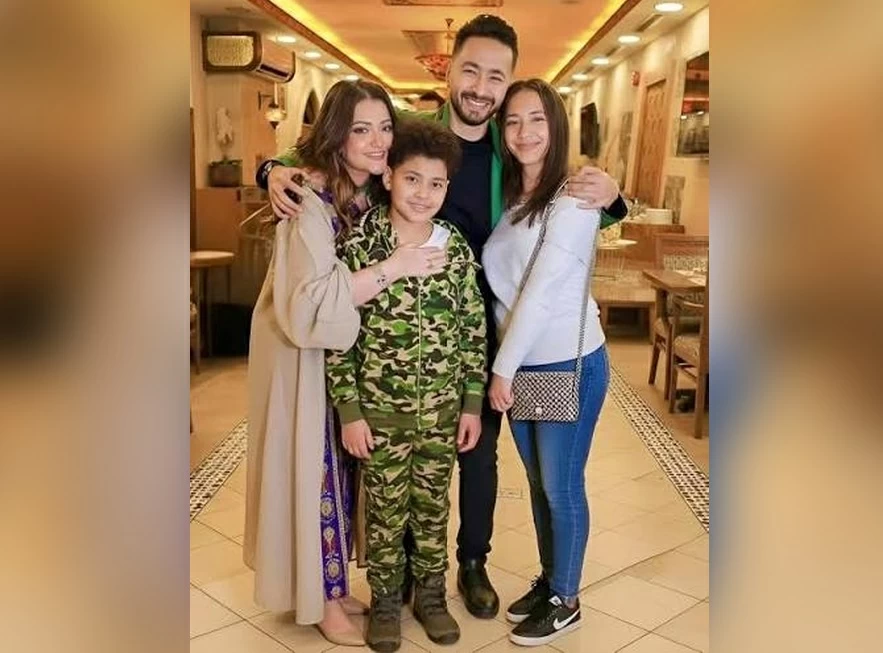
أعاد الفنان حمادة هلال تسليط الضوء على واحد من أكثر الأسئلة حساسية داخل الأسر، بعدما كشف تفاصيل إصابة زوجته بمرض السرطان وخضوعها لجراحة لاستئصال الورم، موضحاً أنه اختار إبلاغ ابنه الأصغر بحقيقة الوضع الصحي لتهيئته نفسياً ومساعدته على التعامل مع مرحلة العلاج.
وجاءت تصريحات الفنان خلال لقاء تلفزيوني تحدث فيه عن الظروف التي صاحبت اكتشاف المرض، مشيراً إلى أن زوجته تحملت الآلام لفترة قبل أن تتدهور حالتها وتتعرض لحالات إغماء، لتكشف الفحوص الطبية لاحقاً إصابتها بالسرطان.
وأوضح حمادة هلال أن قرار مصارحة ابنه لم يكن سهلاً، لكنه رأى أن معرفة الحقيقة بشكل مناسب لعمره أفضل من تركه يواجه التغيرات المفاجئة داخل المنزل دون تفسير، خاصة خلال فترة العلاج والتعافي.
وفي سياق متصل، حرصت الفنانة هبة مجدي على دعم زوجة حمادة هلال، موجهة لها رسالة عبر حسابها على (إنستغرام) أعربت فيها عن تمنياتها لها بالشفاء التام ودوام الصحة والعافية، في لفتة لاقت تفاعلاً واسعاً بين المتابعين.
وأعاد الحديث عن التجربة النقاش حول الطريقة المثلى لإبلاغ الأطفال بإصابة أحد الوالدين بمرض خطير، إذ يؤكد مختصون أن إخفاء الحقيقة لا يمنع شعور الطفل بالتوتر، بل قد يدفعه إلى تكوين تصورات خاطئة أو تحميل نفسه مسؤولية ما يحدث.
وتوصي الإرشادات الطبية والنفسية بالتحدث مع الأطفال بلغة واضحة تناسب أعمارهم، مع تجنب التفاصيل المعقدة أو الوعود غير المؤكدة بشأن نتائج العلاج، والتركيز على طمأنتهم بأن المرض ليس بسببهم وأن وجودهم ودعمهم للأسرة أمر مهم.
ويحتاج الأطفال الأصغر سناً إلى تفسيرات بسيطة ومباشرة، بينما يمكن تقديم معلومات أوسع للأطفال الأكبر والمراهقين بما يتناسب مع قدرتهم على الفهم، مع إتاحة الفرصة لهم لطرح الأسئلة والتعبير عن مشاعرهم بحرية. كما يشدد المتخصصون على أهمية مراقبة أي تغيرات نفسية أو سلوكية قد تظهر على الطفل خلال هذه المرحلة، مثل اضطرابات النوم أو القلق أو الانعزال، وطلب المساعدة المتخصصة عند استمرارها وتأثيرها على حياته اليومية.
ويرى خبراء الصحة النفسية أن الحفاظ على الروتين اليومي للطفل، وتوفير الدعم العاطفي المستمر، وإشعاره بالأمان والاحتواء، تبقى من أبرز الوسائل التي تساعد الأسرة على تجاوز واحدة من أصعب المحطات التي قد تواجهها خلال رحلة العلاج.
Artist Hamada Helal has shed light on one of the most sensitive questions within families, after revealing details about his wife's cancer diagnosis and her surgery to remove the tumor, explaining that he chose to inform his youngest son about the health situation to prepare him psychologically and help him cope with the treatment phase.
His statements came during a television interview where he talked about the circumstances surrounding the discovery of the illness, noting that his wife endured pain for a while before her condition deteriorated and she experienced fainting spells, leading to medical tests later revealing her cancer diagnosis.
Hamada Helal clarified that the decision to be honest with his son was not easy, but he believed that knowing the truth in an age-appropriate manner was better than leaving him to face sudden changes at home without explanation, especially during the treatment and recovery period.
In a related context, actress Heba Magdy was keen to support Hamada Helal's wife, sending her a message via her (Instagram) account expressing her wishes for a complete recovery and ongoing health and wellness, a gesture that received wide interaction among followers.
The discussion about the experience reignited the debate on the best way to inform children about a parent's serious illness, as specialists confirm that hiding the truth does not prevent the child from feeling anxious, but may lead them to form incorrect perceptions or blame themselves for what is happening.
Medical and psychological guidelines recommend speaking to children in clear language appropriate for their ages, avoiding complex details or uncertain promises about treatment outcomes, and focusing on reassuring them that the illness is not their fault and that their presence and support for the family is important.
Younger children need simple and direct explanations, while broader information can be provided to older children and teenagers in line with their understanding capacity, allowing them the opportunity to ask questions and express their feelings freely. Specialists also emphasize the importance of monitoring any psychological or behavioral changes that may appear in the child during this phase, such as sleep disturbances, anxiety, or withdrawal, and seeking specialized help if these issues persist and affect their daily life.
Mental health experts believe that maintaining the child's daily routine, providing continuous emotional support, and ensuring they feel safe and contained are among the most important means that help the family navigate one of the toughest phases they may face during the treatment journey.