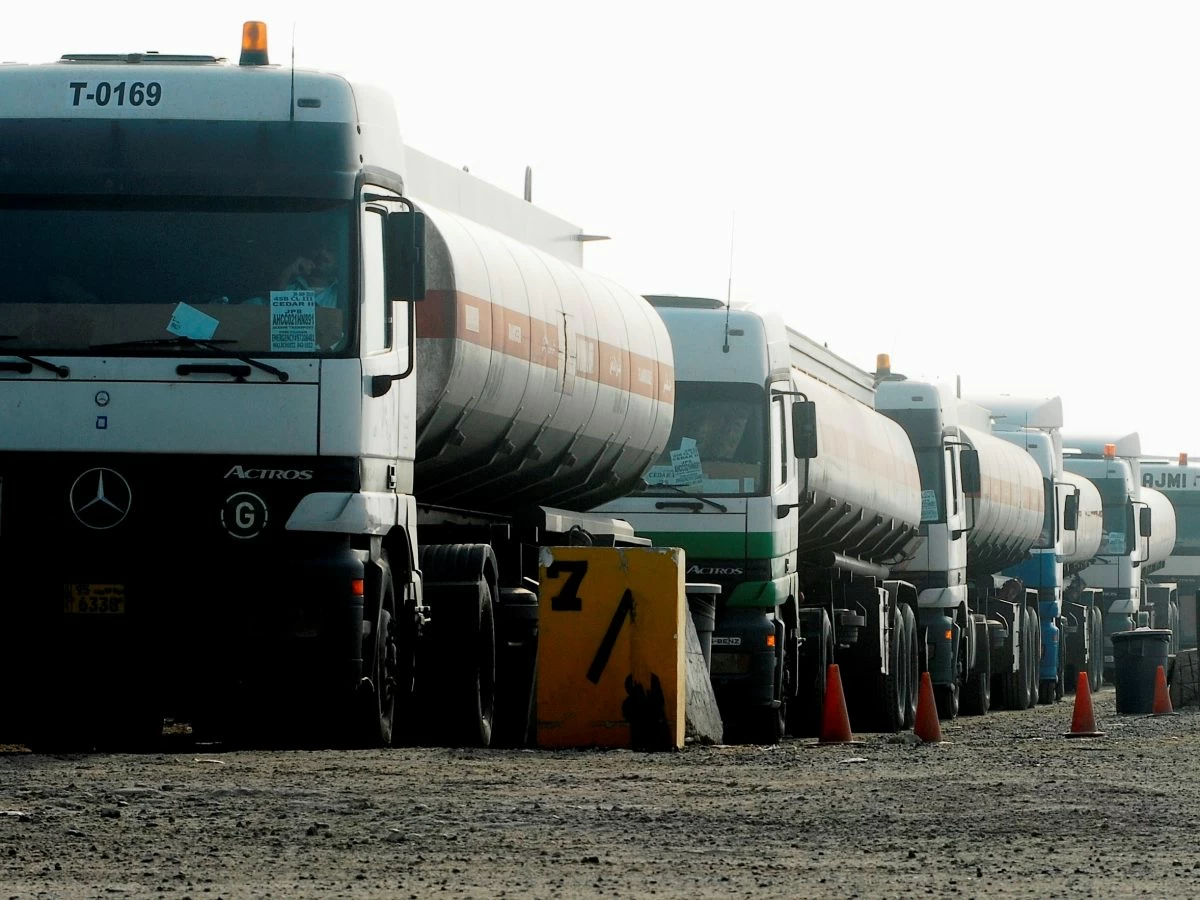
كشفت وثيقة استخباراتية عراقية، عن عمليات تهريب نفطي ترتبط بفصائل مسلحة، عبر نقل النفط من أحد المصافي إلى ناحية عامرية الفلوجة بمحافظة الأنبار، ثم إلى بغداد، في ملف يعيد تسليط الضوء على نفوذ الجماعات المسلحة في قطاع النفط، واستغلال مواقع ومنشآت الدولة لتحقيق مكاسب خارج الأطر القانونية.
وأكدت الوثيقة أن الفصائل تهرب النفط عبر جسر المسيب بعد تبديل الصهاريج. وأفادت بأن عمليات تهريب النفط من جرف الصخر تتم منذ سنوات. وتحدثت عن رصد استخدام الفصائل صهاريج لنقل مشتقات النفط من جرف الصخر.
وتسلط المعلومات الواردة في الوثيقة الضوء على مسار نقل النفط من المصفى إلى عامرية الفلوجة، وما يثيره ذلك من تساؤلات بشأن آليات سحب الكميات ونقلها، والجهات التي تتولى تأمين عمليات التهريب، فضلاً عن كيفية وصول الشحنات إلى وجهاتها النهائية بعيداً عن الرقابة الرسمية.
وتكتسب القضية أهمية خاصة بالنظر إلى حساسية قطاع النفط بالنسبة للاقتصاد العراقي، إذ تمثل عائداته المصدر الأساسي لتمويل الموازنة العامة، ما يجعل أي عمليات استيلاء على المنتجات النفطية أو الاتجار بها خارج القنوات الرسمية استنزافاً للموارد العامة، وتهديداً لجهود الدولة في ضبط القطاع.
ولا تقتصر مخاطر تهريب النفط في العراق على الخسائر المالية، بل تمتد إلى تشابك المصالح بين شبكات التهريب والجهات المسلحة، وما قد يوفره النفوذ الميداني من قدرة على تسهيل نقل الشحنات وتجاوز نقاط الرقابة، الأمر الذي يضع مؤسسات الدولة أمام تحديات تتعلق بفرض سيادتها على المنشآت والموارد النفطية.
وسبق أن تناولت دراسات وتحقيقات دولية آليات استغلال شبكات مرتبطة بفصائل مسلحة للثغرات الإدارية واللوجستية في قطاع النفط العراقي، بما في ذلك الاستحواذ على المنتجات النفطية المدعومة، وتزوير الوثائق، وخلط الشحنات لإخفاء مصادرها، وتحويل عائداتها إلى شبكات تجارية غير رسمية.
ووثق مركز مكافحة الإرهاب في الأكاديمية العسكرية الأمريكية «ويست بوينت» في دراسة عن شبكات النفط العراقية، أدوار جماعات مسلحة وشبكات تجارية في عمليات الاستيلاء على الوقود وتهريبه، مشيراً إلى أن هذه الأنشطة يمكن أن توفر مصادر تمويل كبيرة لتلك الجماعات.
وتعيد الوثيقة الاستخباراتية فتح ملف العلاقة بين السلاح والاقتصاد الموازي في العراق، وتطرح تساؤلات عن قدرة السلطات على ملاحقة المتورطين، واستعادة السيطرة على الموارد النفطية، ومنع تحول المنشآت الحكومية إلى منافذ لتمويل أنشطة غير مشروعة.
An Iraqi intelligence document has revealed oil smuggling operations linked to armed factions, involving the transport of oil from one refinery to the Ameriyat al-Fallujah district in Anbar province, and then to Baghdad. This file sheds light on the influence of armed groups in the oil sector and their exploitation of state sites and facilities to achieve gains outside legal frameworks.
The document confirmed that the factions smuggle oil via the Musayyib Bridge after switching tankers. It stated that oil smuggling operations from Jurf al-Sakhar have been ongoing for years. It mentioned the observation of factions using tankers to transport oil derivatives from Jurf al-Sakhar.
The information contained in the document highlights the route of oil transport from the refinery to Ameriyat al-Fallujah, raising questions about the mechanisms of quantity withdrawal and transport, the entities responsible for securing smuggling operations, as well as how shipments reach their final destinations away from official oversight.
The issue gains particular importance considering the sensitivity of the oil sector to the Iraqi economy, as its revenues represent the primary source for financing the public budget, making any seizure of oil products or trade outside official channels a drain on public resources and a threat to the state's efforts to regulate the sector.
The risks of oil smuggling in Iraq are not limited to financial losses; they extend to the intertwining of interests between smuggling networks and armed groups, and the potential that field influence provides in facilitating the transport of shipments and bypassing checkpoints, which poses challenges for state institutions regarding the enforcement of their sovereignty over oil facilities and resources.
Previous studies and international investigations have addressed the mechanisms by which networks linked to armed factions exploit administrative and logistical gaps in the Iraqi oil sector, including the acquisition of subsidized oil products, document forgery, and mixing shipments to conceal their sources, as well as diverting their revenues to unofficial commercial networks.
The U.S. Military Academy at West Point's Counterterrorism Center documented in a study on Iraqi oil networks the roles of armed groups and commercial networks in fuel seizure and smuggling operations, noting that these activities can provide significant funding sources for those groups.
The intelligence document reopens the file on the relationship between arms and the parallel economy in Iraq, raising questions about the authorities' ability to pursue those involved, regain control over oil resources, and prevent government facilities from becoming outlets for financing illegal activities.