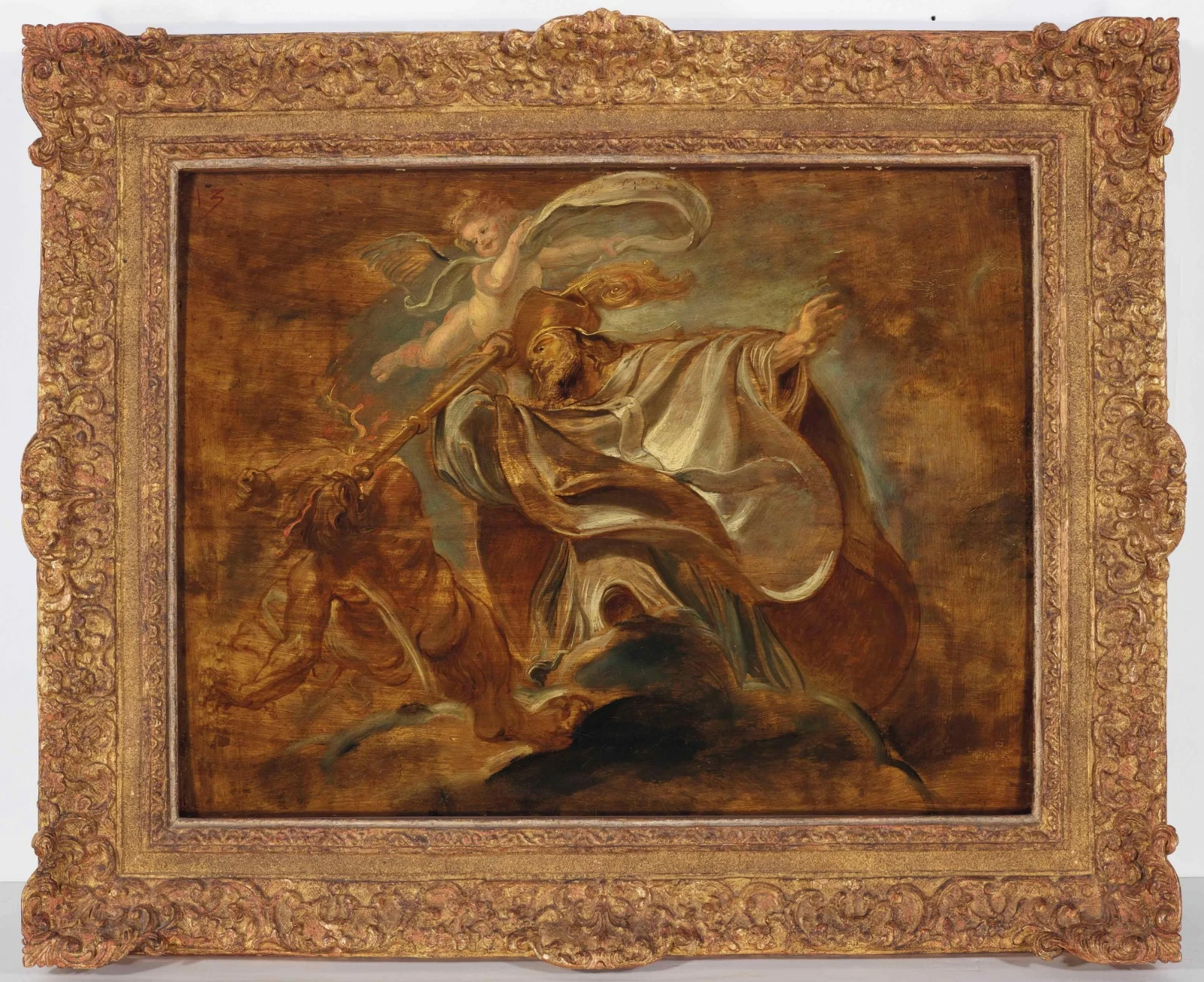
بعد أكثر من 80 عامًا على تفرقها عقب الحرب العالمية الثانية، اجتمعت خمس لوحات نادرة للرسام الفلمنكي الشهير بيتر بول روبنز مجددًا في متحف ألماني، بعدما تنقلت بين روسيا والولايات المتحدة وسويسرا، في رحلة طويلة من الفقد والبحث والمفاوضات لاستعادة أعمال فنية يعود تاريخها إلى أكثر من 400 عام.
وافتتح متحف الدوق في مدينة غوتا الألمانية، اليوم (الثلاثاء)، معرضًا خاصًا يضم اللوحات الخمس للمرة الأولى منذ عام 1945، بعد نجاح مؤسسة فريدنشتاين، بالتعاون مع مؤسسة إرنست فون سيمنز للفنون، في إعادة جمع الأعمال التي فُقدت من المجموعة الفنية للمتحف عقب الحرب.
من ألمانيا إلى روسيا وأمريكا
وتعود اللوحات إلى عامي 1620 و1621، عندما رسمها روبنز ضمن مجموعة من الرسومات الزيتية التحضيرية لتزيين سقف كنيسة يسوعية في مدينة أنتويرب البلجيكية.
لكن مصير الأعمال تغير بعد الحرب العالمية الثانية، إذ استولى الجيش السوفيتي على لوحتين ونقلهما إلى الاتحاد السوفيتي، قبل إعادتهما إلى ألمانيا عام 1958.
أما اللوحات الثلاث الأخرى، فقد نُقلت من المجموعة الفنية إلى خارج ألمانيا الشرقية، ثم بيعت في أسواق الفن، لتستقر في مجموعات خاصة ومتاحف خارج البلاد.
مفاوضات تنهي عقودًا من الغياب
وبعد سنوات من البحث والتحقيق في تاريخ ملكية اللوحات، تمكنت المؤسسة الألمانية عام 2024 من استعادة لوحة «القديس غريغوريوس النزينزي» من متحف أمريكي، بمساعدة دار كريستيز للمزادات.
وتواصلت الجهود خلال العام الجاري، حتى نجحت المؤسسة في التوصل إلى اتفاق لاستعادة لوحة «النبي إيليا على العربة الذهبية» من مجموعة خاصة في الولايات المتحدة.
وفي الوقت نفسه، أبرمت اتفاقية لإعارة لوحة «القديس أوغسطينوس» الموجودة في مجموعة فنية بسويسرا، ما أتاح جمع الأعمال الخمسة في مكان واحد للمرة الأولى منذ ثمانية عقود.
معرض يعيد إحياء أعمال روبنز
واعتبر مدير مؤسسة فريدنشتاين، توبياس فايفر-هيلكه، أن اجتماع اللوحات مجددًا يمثل حدثًا استثنائيًا، بعدما كان تحقيقه يبدو مستحيلًا بسبب الظروف السياسية والقانونية التي أحاطت بمصير الأعمال منذ عام 1945.
ويستمر المعرض حتى 9 مايو 2027، بالتزامن مع الاستعداد للاحتفال بالذكرى الـ450 لميلاد روبنز، أحد أبرز رسامي عصر الباروك الأوروبي.
وتكتسب هذه الأعمال أهمية خاصة لكونها نماذج تحضيرية لرسومات سقفية أصلية دمرها حريق لاحقًا، ما يجعلها شاهدًا نادرًا على جانب من إبداعات الرسام الشهير.
After more than 80 years of being separated following World War II, five rare paintings by the famous Flemish painter Peter Paul Rubens have reunited at a German museum, after having traveled between Russia, the United States, and Switzerland, in a long journey of loss, search, and negotiations to recover artworks dating back over 400 years.
The Duke Museum in the German city of Gotha opened a special exhibition today (Tuesday) featuring the five paintings for the first time since 1945, after the Friedenstein Foundation, in collaboration with the Ernst von Siemens Art Foundation, successfully reunited the works that had been lost from the museum's art collection after the war.
From Germany to Russia and America
The paintings date back to 1620 and 1621, when Rubens created them as part of a series of preparatory oil sketches to decorate the ceiling of a Jesuit church in the Belgian city of Antwerp.
However, the fate of the artworks changed after World War II, as the Soviet army seized two of the paintings and transported them to the Soviet Union, before returning them to Germany in 1958.
The other three paintings were removed from the art collection and taken outside East Germany, later being sold in art markets, eventually settling in private collections and museums abroad.
Negotiations End Decades of Absence
After years of searching and investigating the ownership history of the paintings, the German foundation managed in 2024 to recover the painting "Saint Gregory of Nazianzus" from an American museum, with the help of Christie's auction house.
Efforts continued this year, culminating in the foundation reaching an agreement to recover the painting "The Prophet Elijah on the Chariot of Fire" from a private collection in the United States.
At the same time, an agreement was made to loan the painting "Saint Augustine," which is in an art collection in Switzerland, allowing for the gathering of all five works in one place for the first time in eight decades.
An Exhibition Reviving Rubens' Works
The director of the Friedenstein Foundation, Tobias Weifer-Hilke, considered the reunion of the paintings to be an extraordinary event, as achieving it had seemed impossible due to the political and legal circumstances surrounding the fate of the works since 1945.
The exhibition will continue until May 9, 2027, coinciding with preparations to celebrate the 450th anniversary of Rubens' birth, one of the most prominent painters of the European Baroque era.
These works hold special significance as they are preparatory models for original ceiling paintings that were later destroyed by fire, making them a rare testament to a part of the famous painter's creativity.