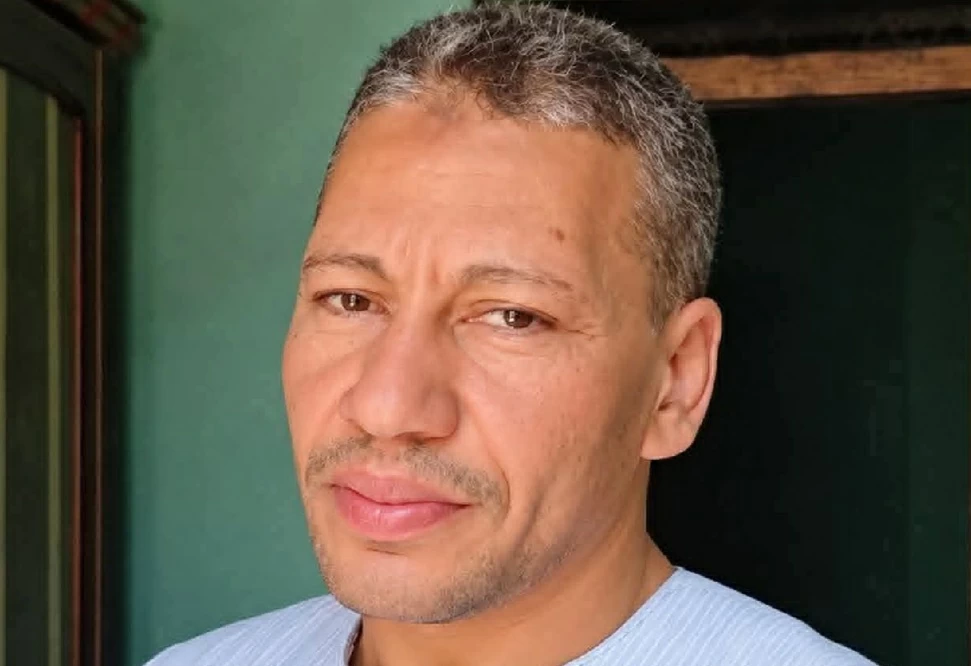
تحولت زيارة اعتيادية لتفقّد مقبرة جديدة إلى الفصل الأخير في حياة رجل مصري، بعدما فارق الحياة داخل المكان الذي أعده بنفسه ليكون مثواه في محافظة أسيوط.
وفي قرية بني محمد الشهابية التابعة لمحافظة أسيوط، توفي الحاج صابر حسن عبد المتجلي، وهو في العقد السادس من العمر، داخل مقبرة أشرف على بنائها وتجهيزها ضمن مدافن العائلة، بعد تعرضه لغيبوبة سكري مفاجئة أثناء وجوده بداخلها.
وبحسب روايات متداولة محلياً، كان الراحل قد انتهى من استكمال تجهيز المقبرة وفرش أرضيتها بالرمال، قبل أن يدخلها للتأكد من جاهزيتها ووضع اللمسات الأخيرة عليها. وخلال وجوده داخلها تعرض لوعكة صحية مفاجئة أفقدته الوعي، لتنتهي حياته في المكان ذاته.
وأثار تأخره عن العودة قلق أفراد أسرته وأهالي القرية، ما دفع عدداً منهم إلى البحث عنه في محيط المقابر، حيث عُثر عليه داخل المقبرة الجديدة التي كان قد أعدها بنفسه، في مشهد ترك أثراً بالغاً بين أقاربه وأبناء قريته.
وشيّع المئات من الأهالي جثمان الراحل في جنازة مهيبة، قبل أن يُوارى الثرى داخل المقبرة نفسها التي أشرف على بنائها وتجهيزها خلال الفترة الماضية.
وأعادت الحادثة إلى أذهان كثيرين مشهداً شهيراً من مسلسل (حديث الصباح والمساء) المأخوذ عن رواية الأديب نجيب محفوظ، حين قررت إحدى الشخصيات بناء قبرها قبل أن تفارق الحياة عقب الانتهاء منه، في تشابه لافت بين الدراما والواقع.
وعُرف الراحل بين أبناء قريته بحسن السيرة والحرص على فعل الخير، إذ عمل في تجارة المواد التموينية والبقالة، وكان يحظى بمحبة واسعة بين الأهالي، كما عُرف بسعيه للإصلاح بين الناس والمشاركة في الأعمال الاجتماعية والخيرية. وقال مقربون منه إنه كان حريصاً على أداء الصلوات في المسجد ومساعدة المحتاجين وخدمة أبناء منطقته، رغم معاناته الطويلة مع مرض السكري، الذي رافقه لسنوات.
وبين المقبرة التي أتم تجهيزها بيديه والسيرة الطيبة التي تركها خلفه، بقيت قصة الحاج صابر واحدة من أكثر الوقائع الإنسانية تأثيراً، بعدما انتهت رحلته في المكان الذي هيأه بنفسه ليكون محطته الأخيرة.
A routine visit to inspect a new grave turned into the final chapter in the life of an Egyptian man, after he passed away in the very place he had prepared to be his resting place in Asyut Governorate.
In the village of Bani Muhammad Al-Shahabiya, part of Asyut Governorate, Haj Saber Hassan Abdel-Mutgaly passed away in his sixties inside a grave he oversaw building and preparing as part of the family burial site, after suffering a sudden diabetic coma while inside it.
According to locally circulated accounts, the deceased had just finished preparing the grave and laying sand on its floor before entering it to ensure it was ready and to put the final touches on it. While he was inside, he suffered a sudden health crisis that caused him to lose consciousness, ending his life in that very place.
His delay in returning raised the concern of his family members and villagers, prompting several of them to search for him around the graves, where he was found inside the new grave he had prepared himself, in a scene that left a profound impact on his relatives and the people of his village.
Hundreds of villagers attended the funeral of the deceased in a grand procession, before he was laid to rest in the very grave he had overseen building and preparing in recent times.
The incident reminded many of a famous scene from the series "Morning and Evening Talk," adapted from the novel by the writer Naguib Mahfouz, when one of the characters decided to build her grave before passing away right after its completion, highlighting a striking similarity between drama and reality.
The deceased was known among the villagers for his good character and commitment to doing good, as he worked in the trade of food supplies and groceries, and was widely loved by the locals. He was also known for his efforts to reconcile people and participate in social and charitable activities. Close acquaintances mentioned that he was keen on performing prayers in the mosque and helping those in need, despite his long struggle with diabetes, which accompanied him for years.
Between the grave he completed with his own hands and the good reputation he left behind, Haj Saber’s story remains one of the most impactful human incidents, as his journey ended in the place he prepared himself to be his final station.