كشف كتاب علمي جديد أن بعض الحيوانات تستخدم أساليب معقدة للخداع، من بينها تقليد أصوات التحذير من الخطر للاستيلاء على طعام حيوانات أخرى، في سلوك يثير تساؤلات حول قدرتها على الكذب المتعمد.
ووفقاً لموقع «لايف ساينس»، يستعرض عالم الحيوان جيمس أوهانلون في كتابه «الكذابون والغشاشون والمقلدون»، الصادر عن مطبعة جامعة كولومبيا عام 2026، أشكال الخداع في الطبيعة، بدءاً من التمويه والمحاكاة، وصولاً إلى السلوكيات التي تبدو أقرب إلى التضليل المتعمد.
خداع دون وعي
ويوضح الكاتب أن معظم أشكال الخداع في الطبيعة لا تتطلب وعياً من الكائن الحي، بل تنتج عن تكيفات تطورية عبر أجيال طويلة.
ومن أمثلتها حشرة «فرس النبي الأوركيدي»، التي يشبه مظهرها الأزهار، والفراشات التي تحمل على أجنحتها بقعاً تشبه العيون لإخافة المفترسات.
في المقابل، توجد سلوكيات أكثر تعقيداً تبدو مقصودة، وتستهدف التأثير في استجابات الحيوانات الأخرى لتحقيق منفعة مباشرة.
طائر يسرق الطعام بالخداع
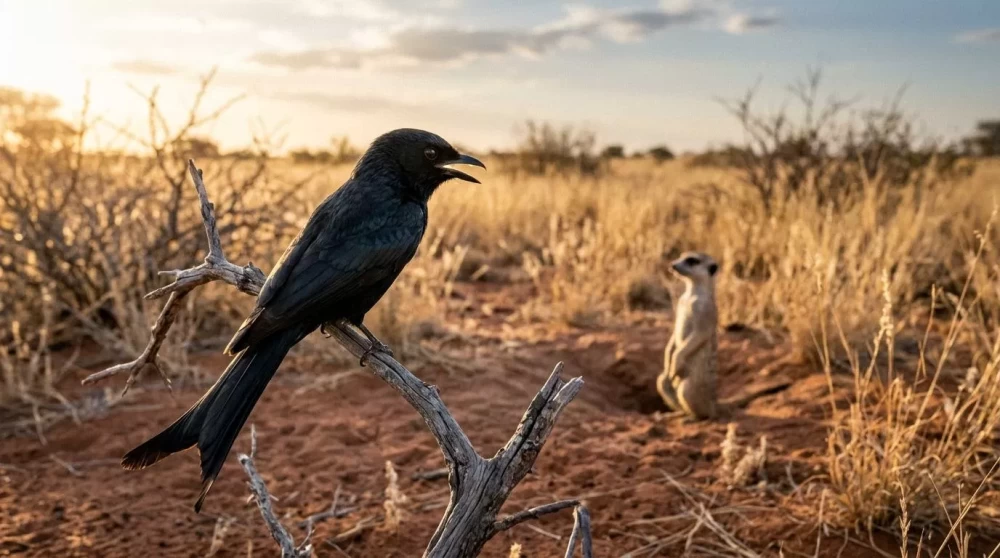
ويبرز طائر «الدرونغ» ذو الذيل المشقوق، الذي يعيش في أفريقيا، بوصفه أحد أكثر الأمثلة إثارةً للاهتمام، نظراً إلى قدرته على تقليد نداءات الإنذار الصادرة عن حيوانات وطيور أخرى.
فعندما يقلّد الطائر أصوات التحذير التي يطلقها حيوان «الميركات»، يستجيب الأخير كما لو أن خطراً حقيقياً يهدده، فيهرب تاركاً طعامه، ليعود الدرونغ ويستولي عليه.
ولا تقتصر قدراته على الميركات، إذ يقلّد أيضاً نداءات طيور مثل الزرزور اللامع والثرثار الأبلق، فيما وثّق الباحثون أكثر من 50 نداءً خداعياً مختلفاً يستخدمها.
وتكمن براعة الطائر في تغيير نداءاته باستمرار، ما يصعّب على الحيوانات الأخرى اكتشاف الخدعة وتجاهل الإنذارات الكاذبة.
هل تكذب الحيوانات عمداً؟
ورغم تعقيد هذه السلوكيات، يتحفظ العلماء على اعتبارها دليلاً قاطعاً على قدرة الحيوانات على الكذب بالمعنى البشري، إذ لا يزال من الصعب إثبات وجود نية واعية وراء الخداع.
ويرجّح أوهانلون أن الحيوانات التي تعيش في مجموعات اجتماعية قد تكون أكثر ميلاً إلى ممارسة سلوكيات تضليلية، مشيراً إلى احتمال وجود أشكال أخرى من الخداع لم تُكتشف بعد لدى الحيتان والدلافين والنمل والكلاب البرية.
ويعزو الكاتب تحفظ العلماء إلى تجنب إسقاط الصفات البشرية على الحيوانات، إلى جانب طبيعة المنهج العلمي الذي يتطلب أدلة قوية قبل الجزم بوجود خداع متعمد.
وبينما تؤكد الملاحظات قدرة بعض الحيوانات على تضليل غيرها، يبقى السؤال مفتوحاً حول مدى إدراكها لهذا السلوك، وما إذا كانت تمارسه بقصد مماثل للكذب لدى البشر.
A new scientific book reveals that some animals use complex methods of deception, including mimicking warning sounds of danger to seize food from other animals, in behavior that raises questions about their ability to lie intentionally.
According to the website "Live Science," zoologist James O'Hanlon showcases in his book "Liars, Cheats, and Mimics," published by Columbia University Press in 2026, forms of deception in nature, ranging from camouflage and mimicry to behaviors that appear closer to deliberate misrepresentation.
Unconscious Deception
The author explains that most forms of deception in nature do not require awareness from the organism; rather, they result from evolutionary adaptations over long generations.
Examples include the "orchid mantis," which resembles flowers, and butterflies that have eye-like spots on their wings to scare off predators.
In contrast, there are more complex behaviors that seem intentional, targeting the influence on the responses of other animals to achieve direct benefits.
A Bird That Steals Food Through Deception
The "drongo" bird with a forked tail, which lives in Africa, stands out as one of the most interesting examples due to its ability to mimic alarm calls made by other animals and birds.
When the bird imitates the warning sounds emitted by a meerkat, the latter responds as if a real danger threatens it, fleeing and leaving its food behind, which the drongo then seizes.
Its abilities are not limited to meerkats; it also mimics calls from birds like the glossy starling and the fork-tailed drongo, with researchers documenting more than 50 different deceptive calls it uses.
The bird's skill lies in continuously changing its calls, making it difficult for other animals to detect the trick and ignore the false alarms.
Do Animals Lie Intentionally?
Despite the complexity of these behaviors, scientists are cautious about considering them as conclusive evidence of animals' ability to lie in the human sense, as it remains difficult to prove the existence of conscious intent behind the deception.
O'Hanlon suggests that animals living in social groups may be more inclined to engage in deceptive behaviors, pointing to the possibility of other forms of deception yet to be discovered in whales, dolphins, ants, and wild dogs.
The author attributes scientists' caution to the avoidance of projecting human traits onto animals, along with the nature of the scientific method that requires strong evidence before concluding the existence of intentional deception.
While observations confirm some animals' ability to mislead others, the question remains open regarding their awareness of this behavior and whether they practice it with intent similar to lying in humans.