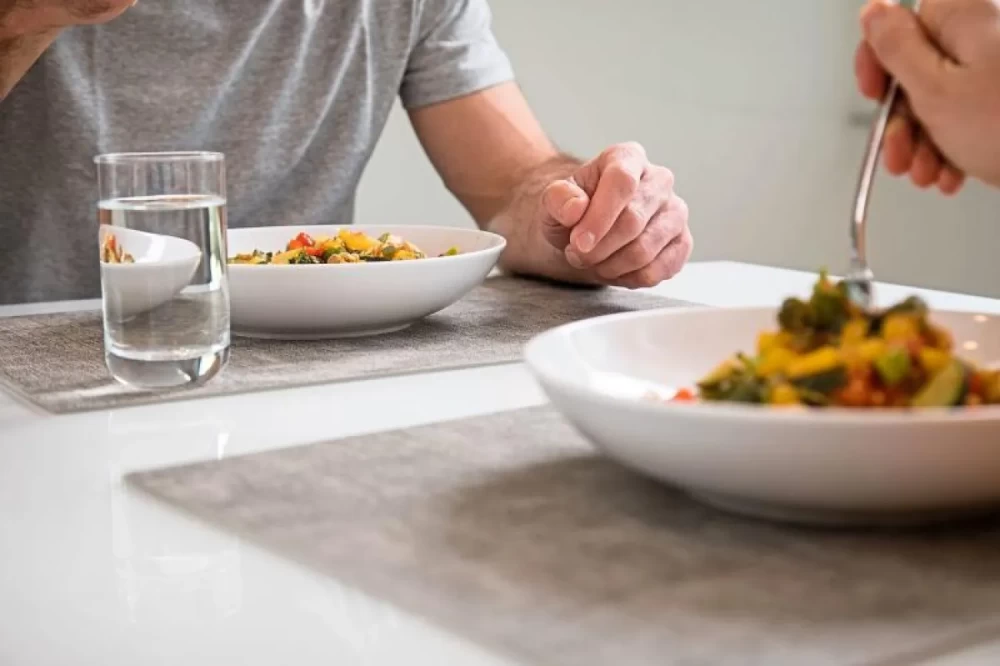
نفت أخصائية أمراض الجهاز الهضمي، الدكتورة فيكتوريا بوغوسيان، صحة الاعتقاد الشائع بأن شرب الماء أثناء تناول الطعام يضعف عملية الهضم، مؤكدةً أنه لا يؤثر سلباً في وظائف المعدة أو قدرتها على هضم الطعام.
وأوضحت أن الاعتقاد بأن الماء يخفف العصارة المعدية ويقلل فاعليتها غير صحيح، مشيرةً إلى أن الماء يغادر المعدة بسرعة أكبر من الطعام، خصوصاً عند تناوله بصورة منفصلة عن الوجبات، فيما تتأثر سرعة إفراغ المعدة بحجم محتوياتها وتركيبتها.
وأضافت أن شرب الماء قد يؤدي إلى تغيير مؤقت في مستوى حموضة المعدة، إلا أن هذا التغيير لا ينعكس سلباً على عملية الهضم، نظراً إلى قدرة المعدة على تنظيم إفراز الأحماض وفقاً لطبيعة محتوياتها.
وبيّنت أن الماء يساعد على ترطيب الطعام وتسهيل بلعه، ما يجعل تناوله أثناء الوجبات أمراً طبيعياً.
ماذا عن العصائر والمشروبات الغازية؟
وأشارت بوغوسيان إلى أن العصائر والمشروبات الغازية لا تؤثر بحد ذاتها في امتصاص الطعام، لكنها قد تسبب تأثيرات أخرى تختلف باختلاف نوع المشروب والحالة الصحية للشخص.
ولفتت إلى أن المشروبات المحلاة تزيد إجمالي السعرات الحرارية المستهلكة، فيما قد تؤدي المشروبات الغازية إلى تفاقم الانتفاخ والتجشؤ وأعراض الارتجاع لدى بعض الأشخاص.
وأكدت أنه لا يوجد ما يمنع تناول السوائل أثناء الوجبات، مع أهمية اختيار المشروبات بما يتناسب مع الاحتياجات والتفضيلات الشخصية.
تحذير بشأن الحديد والأدوية
وحذّرت الطبيبة من أن تناول بعض المشروبات، مثل الشاي والقهوة والحليب، قد يؤثر في امتصاص الحديد الموجود في الطعام، كما قد يتداخل مع امتصاص بعض الأدوية.
ونصحت بتناول الأدوية مع الماء العادي، ما لم يوصِ الطبيب بخلاف ذلك.
Gastroenterologist Dr. Victoria Bogosian has denied the common belief that drinking water while eating weakens the digestion process, confirming that it does not negatively affect the stomach's functions or its ability to digest food.
She explained that the belief that water dilutes gastric juice and reduces its effectiveness is incorrect, noting that water leaves the stomach faster than food, especially when consumed separately from meals, while the speed of gastric emptying is influenced by the volume and composition of its contents.
She added that drinking water may lead to a temporary change in the acidity level of the stomach, but this change does not negatively impact the digestion process, due to the stomach's ability to regulate acid secretion according to the nature of its contents.
She indicated that water helps to moisten food and facilitate swallowing, making its consumption during meals a natural thing.
What about juices and soft drinks?
Bogosian pointed out that juices and soft drinks do not, in themselves, affect the absorption of food, but they may cause other effects that vary depending on the type of drink and the person's health condition.
She noted that sweetened beverages increase the total calories consumed, while soft drinks may exacerbate bloating, belching, and reflux symptoms in some individuals.
She confirmed that there is nothing preventing the consumption of liquids during meals, emphasizing the importance of choosing beverages that align with personal needs and preferences.
Warning about iron and medications
The doctor warned that consuming certain beverages, such as tea, coffee, and milk, may affect the absorption of iron found in food, and may also interfere with the absorption of some medications.
She advised taking medications with plain water, unless otherwise recommended by a doctor.