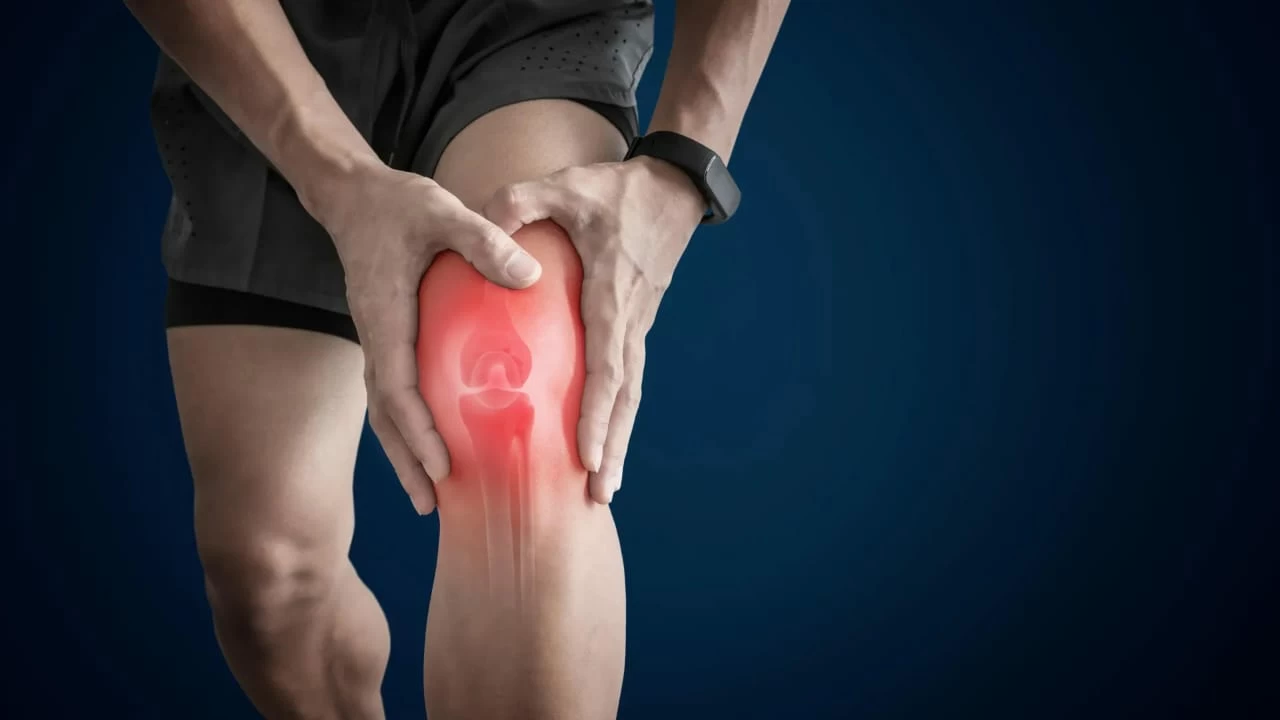
كشفت دراسة علمية حديثة عن احتمال وجود وسيلة بسيطة للمساعدة في تخفيف آلام خشونة مفصل الركبة، لا تعتمد فقط على المسكنات أو التمارين الرياضية، وإنما تبدأ من الأمعاء، عبر تناول مكمل يوميّاً من الألياف الغذائية قد يساعد أيضاً على تحسين قوة العضلات وتقليل حساسية الجسم للألم.
وأظهرت نتائج تجربة سريرية قادها باحثون من جامعة نوتنغهام البريطانية، أن الأشخاص المصابين بالتهاب المفاصل العظمي في الركبة، الذين تناولوا نوعاً من الألياف يُعرف باسم «الإينولين»، سجلوا انخفاضاً ملحوظاً في مستويات الألم، إلى جانب تحسن قوة قبضة اليد وتراجع حساسية الجسم للمؤثرات المؤلمة.
ولم تتوقف النتائج عند التأثيرات الصحية المحتملة، إذ أظهرت الدراسة أن الالتزام بتناول المكمل الغذائي كان أسهل على المشاركين مقارنة ببرنامج العلاج الطبيعي المدعوم رقميّاً؛ حيث بلغت نسبة الانسحاب من مجموعة الإينولين وحده 3.6% فقط، مقابل 21% بين المشاركين الذين خضعوا للعلاج الطبيعي وحده.
ونُشرت الدراسة في مجلة «Nutrients» العلمية، وتفتح نتائجها الباب أمام اتجاه بحثي جديد يدرس العلاقة بين صحة الأمعاء والبكتيريا النافعة الموجودة فيها، وبين طريقة تعامل الجهاز العصبي مع الألم وكفاءة العضلات.
خشونة الركبة.. مشكلة تؤثر على ملايين الأشخاص
ويُعد التهاب المفاصل العظمي في الركبة من أكثر أسباب الألم المزمن والإعاقة الحركية شيوعاً حول العالم، خصوصاً بين كبار السن، وينشأ نتيجة التآكل التدريجي للأنسجة داخل المفصل، بما في ذلك الغضروف الذي يعمل على حماية أطراف العظام وتسهيل حركتها.
ومع تطور الحالة، قد يعاني المصاب من الألم والتيبس والتورم، فضلاً عن صعوبة أداء الأنشطة اليومية المعتادة، مثل المشي وصعود السلالم.
وتعتمد العلاجات المتاحة عادة على تخفيف الأعراض والحفاظ على القدرة على الحركة، من خلال المسكنات والعلاج الطبيعي وممارسة التمارين بانتظام، غير أن بعض الأدوية قد ترتبط بآثار جانبية غير مرغوبة، بينما يجد كثير من المرضى صعوبة في الاستمرار ببرامج التمارين، خصوصاً مع استمرار الألم.
وفي هذا السياق، تطرح الدراسة الجديدة احتمال الاستفادة من تغيير غذائي بسيط بوصفه وسيلة إضافية للمساعدة في التعامل مع أعراض المرض.
وقالت الباحثة الرئيسية في الدراسة من كلية الطب بجامعة نوتنغهام، الدكتورة أفروذيتي كوراكي، إن النتائج تثير احتمالاً مهماً يتمثل في أن إضافة مكمل من الألياف إلى وجبة الإفطار أو الزبادي قد تسهم بصورة ملموسة في تقليل الألم وتحسين الأداء البدني.
ما هو الإينولين وكيف يؤثر في الأمعاء؟
المكمل الذي اختبره الباحثون هو «الإينولين»، وهو نوع طبيعي من الألياف الغذائية يوجد في أطعمة مثل جذور الهندباء البرية والخرشوف وبعض الخضراوات الأخرى.
ويختلف الإينولين عن كثير من العناصر الغذائية؛ إذ لا تستطيع الإنزيمات الهضمية تكسيره في الأمعاء الدقيقة، ولذلك ينتقل إلى الأمعاء الغليظة، حيث تستخدمه البكتيريا النافعة مصدراً للغذاء.
ويُصنف الإينولين ضمن ما يُعرف باسم «البريبايوتك» أو البريبايوتكس، وهي مواد تغذي البكتيريا المفيدة الموجودة بالفعل في الجهاز الهضمي، على عكس البروبيوتيك الذي يوفر كائنات دقيقة حية.
وعندما تخمر البكتيريا النافعة الإينولين، تنتج مركبات تُعرف باسم الأحماض الدهنية قصيرة السلسلة، ومن أبرزها مادة «البيوتيرات»، التي تساعد على دعم بطانة الأمعاء، كما يمكن أن تؤثر في الالتهابات والمسارات البيولوجية المرتبطة بالإحساس بالألم.
ورصد الباحثون ارتفاع مستويات البيوتيرات لدى المشاركين الذين تناولوا الإينولين، وهو ما يشير إلى حدوث تغير في نشاط البكتيريا الموجودة داخل الأمعاء.
كما لاحظوا ارتفاع مستويات هرمون يُعرف باسم «الببتيد الشبيه بالغلوكاغون-1» أو GLP-1، وهو هرمون تفرزه الأمعاء ويسهم في تنظيم مستويات السكر في الدم والشهية، ويرتبط كذلك بمسارات بيولوجية لها علاقة بتنظيم الألم وصحة العضلات.
ويحظى هذا الهرمون باهتمام واسع، لأنه المستهدف بأدوية شهيرة مثل «أوزمبيك» و«ويغوفي»، لكن من المهم التوضيح أن مكمل الإينولين المستخدم في الدراسة ليس دواءً من هذه الفئة، ولا يعمل بالطريقة الدوائية نفسها، وإنما بحث العلماء في إمكانية أن يؤدي دعم البكتيريا النافعة إلى التأثير في إنتاج الجسم الطبيعي لهذا الهرمون.
ومن النتائج اللافتة أيضاً أن ارتفاع مستويات GLP-1 ارتبط بتحسن قوة قبضة اليد، وهي ملاحظة تشير إلى احتمال وجود علاقة بين التغيرات التي تحدث في الجهاز الهضمي وبين وظائف العضلات، رغم أن الدراسة لم تثبت أن الهرمون هو السبب المباشر وراء هذا التحسن.
تجربة على 117 مصاباً بخشونة الركبة
ولاختبار هذه الفرضيات، أجرى الباحثون تجربة «INSPIRE» السريرية، وهي دراسة عشوائية محكمة استمرت ستة أسابيع، وشملت 117 شخصاً بالغاً مصابين بالتهاب المفاصل العظمي في الركبة.
وُزّع المشاركون على أربع مجموعات علاجية، تناولت الأولى مكمل الإينولين يوميّاً دون تدخل آخر، بينما اتبعت الثانية برنامج تمارين للعلاج الطبيعي مدعوماً رقميّاً، وحصلت الثالثة على المكمل الغذائي إلى جانب التمارين، فيما تلقت المجموعة الرابعة دواءً وهميّاً للمقارنة.
وسمح هذا التصميم للباحثين بدراسة تأثير كل وسيلة علاجية على حدة، إلى جانب اختبار ما إذا كان الجمع بين الألياف والتمارين يقدم فوائد إضافية.
وأظهرت النتائج أن الإينولين والعلاج الطبيعي ساهما كل على حدة في تقليل آلام الركبة، ما يشير إلى أن كلا النهجين قد يوفر فائدة للمصابين.
لكن المكمل الغذائي حقق تحسناً إضافيّاً لم يُلاحظ بالدرجة نفسها لدى مجموعة العلاج الطبيعي وحده، تمثل في زيادة قوة قبضة اليد وانخفاض حساسية الجسم للألم.
وتُعد حساسية الألم مؤشراً على مدى استجابة الجهاز العصبي للمؤثرات التي قد تسبب الألم، ويمكن أن يكون تراجعها مهماً لمرضى خشونة الركبة، لأن شدة الألم لا ترتبط دائماً بحجم التلف الظاهر داخل المفصل، بل قد تسهم التغيرات في طريقة معالجة الجهاز العصبي للإشارات المؤلمة في زيادة معاناة المرضى.
أما تحسن قوة قبضة اليد، فكان من النتائج غير المتوقعة، إذ يشير إلى أن التأثيرات المحتملة للمكمل قد تتجاوز المفصل المصاب نفسه.
هل يمكن أن تغير صحة الأمعاء طريقة علاج التهاب المفاصل؟
ترى الدكتورة كوراكي أن النتائج تشير إلى أن استهداف صحة الأمعاء باستخدام مكمل غذائي من البريبايوتك قد يمثل وسيلة آمنة وجيدة التحمل للمساعدة في تخفيف الألم لدى المصابين بخشونة الركبة، مشيرة إلى أن انخفاض معدلات الانسحاب يعكس سهولة إدماج المكمل في الروتين اليومي للمشاركين.
من جانبها، قالت الباحثة المشاركة الرئيسية من كلية الطب بجامعة نوتنغهام، البروفيسورة آنا فالديس، إن العلاقة التي رصدتها الدراسة بين هرمون GLP-1 وقوة قبضة اليد تستحق مزيداً من البحث، لأنها قد تكشف عن محور بيولوجي يربط بين الأمعاء والعضلات والألم.
وأضافت أن هذا الاتجاه البحثي قد تكون له أهمية تتجاوز خشونة المفاصل، ليساعد على فهم تأثير صحة الأمعاء في الشيخوخة والقدرة البدنية ومقاومة التراجع الوظيفي مع التقدم في العمر.
ولا تعني الدراسة أن مكملات الألياف يمكن أن تحل محل التمارين الرياضية أو العلاجات المعتمدة لخشونة الركبة، وإنما تشير إلى إمكانية استخدامها مستقبلاً كوسيلة مساعدة ضمن خطة علاجية متكاملة، بعد تقييم ملاءمتها لكل حالة.
آلام المفاصل.. عبء يومي على ملايين المرضى
وتكتسب هذه النتائج أهمية إضافية في ظل التأثير الواسع لالتهاب المفاصل على جودة حياة المصابين، إذ قالت البروفيسورة لوسي دونالدسون، مديرة الأبحاث في مؤسسة «Arthritis UK»، إن آلام التهاب المفاصل تؤثر بشدة في حياة المرضى، مشيرة إلى أن استطلاعاً حديثاً أجرته المؤسسة أظهر أن ستة من كل عشرة أشخاص مصابين بالمرض يعانون الألم معظم الوقت أو طواله.
A recent scientific study revealed a simple potential method to help alleviate knee osteoarthritis pain, which does not rely solely on painkillers or exercise, but rather starts from the intestines. Taking a daily fiber supplement may also help improve muscle strength and reduce the body's sensitivity to pain.
The results of a clinical trial led by researchers from the University of Nottingham in the UK showed that individuals with knee osteoarthritis who consumed a type of fiber known as "inulin" reported a significant reduction in pain levels, along with improvements in grip strength and a decrease in the body's sensitivity to painful stimuli.
The results did not stop at potential health effects; the study showed that adherence to the fiber supplement was easier for participants compared to a digitally supported physical therapy program, with a withdrawal rate of only 3.6% in the inulin group, compared to 21% among participants who underwent physical therapy alone.
The study was published in the journal "Nutrients," and its results open the door to a new research direction that examines the relationship between gut health, the beneficial bacteria present in it, and how the nervous system processes pain and muscle efficiency.
Knee osteoarthritis... a problem affecting millions of people
Knee osteoarthritis is one of the most common causes of chronic pain and mobility disability worldwide, especially among the elderly. It arises from the gradual wear and tear of tissues within the joint, including the cartilage that protects the ends of the bones and facilitates their movement.
As the condition progresses, the affected individual may experience pain, stiffness, and swelling, as well as difficulty performing usual daily activities such as walking and climbing stairs.
Available treatments typically focus on alleviating symptoms and maintaining mobility through painkillers, physical therapy, and regular exercise. However, some medications may be associated with undesirable side effects, while many patients find it challenging to continue exercise programs, especially with ongoing pain.
In this context, the new study suggests the potential benefit of a simple dietary change as an additional means to help manage the symptoms of the disease.
The lead researcher of the study from the University of Nottingham's medical school, Dr. Afroditi Kouraki, stated that the results raise an important possibility that adding a fiber supplement to breakfast or yogurt could significantly contribute to reducing pain and improving physical performance.
What is inulin and how does it affect the intestines?
The supplement tested by the researchers is "inulin," a natural type of dietary fiber found in foods such as wild chicory roots, artichokes, and some other vegetables.
Inulin differs from many nutrients; digestive enzymes cannot break it down in the small intestine, so it passes into the large intestine, where beneficial bacteria use it as a food source.
Inulin is classified as a "prebiotic," which are substances that nourish the beneficial bacteria already present in the digestive system, unlike probiotics that provide live microorganisms.
When beneficial bacteria ferment inulin, they produce compounds known as short-chain fatty acids, the most notable of which is "butyrate," which helps support the intestinal lining and may influence inflammation and biological pathways related to the sensation of pain.
The researchers observed elevated levels of butyrate in participants who consumed inulin, indicating a change in the activity of the bacteria present in the intestines.
They also noted increased levels of a hormone known as "glucagon-like peptide-1" or GLP-1, a hormone secreted by the intestines that helps regulate blood sugar levels and appetite, and is also linked to biological pathways related to pain regulation and muscle health.
This hormone has garnered significant attention as it is the target of popular medications like "Ozempic" and "Wegovy," but it is important to clarify that the inulin supplement used in the study is not a drug of this category and does not work in the same pharmacological way. Instead, the researchers investigated whether supporting beneficial bacteria could influence the body's natural production of this hormone.
Another notable finding was that elevated levels of GLP-1 were associated with improved grip strength, a observation suggesting a potential relationship between changes occurring in the digestive system and muscle functions, although the study did not prove that the hormone is the direct cause of this improvement.
A trial on 117 individuals with knee osteoarthritis
To test these hypotheses, the researchers conducted the "INSPIRE" clinical trial, a randomized controlled study that lasted six weeks and included 117 adult participants with knee osteoarthritis.
Participants were divided into four treatment groups; the first group took the inulin supplement daily without any other intervention, while the second followed a digitally supported physical therapy exercise program. The third group received the dietary supplement along with the exercises, and the fourth group received a placebo for comparison.
This design allowed researchers to study the effect of each treatment method individually, as well as to test whether combining fiber and exercise offers additional benefits.
The results showed that both inulin and physical therapy contributed individually to reducing knee pain, indicating that both approaches may provide benefits for patients.
However, the dietary supplement achieved an additional improvement that was not observed to the same extent in the physical therapy group alone, represented by increased grip strength and decreased sensitivity to pain.
Pain sensitivity is an indicator of how the nervous system responds to stimuli that may cause pain, and its reduction can be significant for knee osteoarthritis patients, as the severity of pain is not always related to the extent of visible damage within the joint, but changes in how the nervous system processes painful signals may contribute to increased suffering for patients.
The improvement in grip strength was an unexpected result, suggesting that the potential effects of the supplement may extend beyond the affected joint itself.
Can gut health change the way arthritis is treated?
Dr. Kouraki believes that the results suggest that targeting gut health using a prebiotic dietary supplement may represent a safe and well-tolerated means to help alleviate pain in individuals with knee osteoarthritis, noting that the low withdrawal rates reflect the ease of incorporating the supplement into participants' daily routines.
For her part, the co-lead researcher from the University of Nottingham's medical school, Professor Anna Valdes, stated that the relationship observed in the study between GLP-1 hormone and grip strength deserves further investigation, as it may reveal a biological axis linking the gut, muscles, and pain.
She added that this research direction could have implications beyond joint osteoarthritis, helping to understand the impact of gut health on aging, physical ability, and resistance to functional decline with advancing age.
The study does not imply that fiber supplements can replace exercise or established treatments for knee osteoarthritis, but rather suggests their potential future use as an adjunctive means within a comprehensive treatment plan, after assessing their suitability for each case.
Joint pain... a daily burden for millions of patients
These results gain additional significance in light of the widespread impact of arthritis on the quality of life of those affected. Professor Lucy Donaldson, director of research at the "Arthritis UK" foundation, stated that arthritis pain severely affects patients' lives, noting that a recent survey conducted by the foundation showed that six out of ten people with the disease experience pain most of the time or all the time.