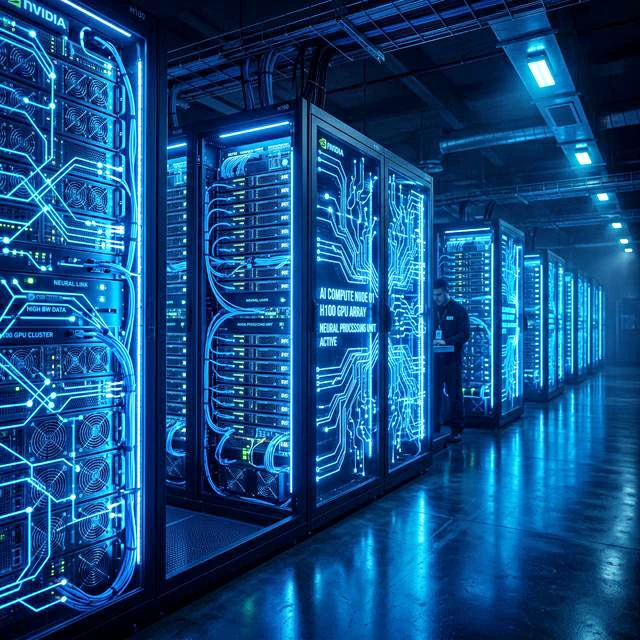
أثار تصاعد الإنفاق على الذكاء الاصطناعي مخاوف المستثمرين، بشأن قدرة شركات التكنولوجيا الكبرى على تحويل استثماراتها الضخمة إلى عوائد مالية، وسط تقديرات بتجاوز الإنفاق الرأسمالي لعمالقة التقنية 740 مليار دولار خلال العام الجاري.
وتواجه شركات «مايكروسوفت» و«أمازون» و«ألفابت» و«ميتا» ضغوطاً متزايدة، لتبرير التوسع في إنشاء مراكز البيانات وشراء المعالجات المتقدمة، مع ارتفاع تكاليف تشغيل نماذج الذكاء الاصطناعي وتطويرها.
وتتركز تساؤلات الأسواق حول المدة اللازمة لاسترداد هذه الاستثمارات، ومدى قدرة الخدمات الذكية على توليد إيرادات تتناسب مع حجم الإنفاق المتسارع، خصوصاً في ظل المنافسة المحتدمة على البنية التحتية الحاسوبية. وتعكس هذه المخاوف تحولاً في نظرة المستثمرين إلى قطاع التقنية، بعدما أصبحت الجدوى الاقتصادية للذكاء الاصطناعي عاملاً مؤثراً في تقييم الشركات، إلى جانب قدراتها الابتكارية.
ويضع هذا التحول الشركات أمام اختبار مزدوج، يجمع بين المحافظة على موقعها في سباق التقنيات المتقدمة، وإثبات قدرتها على تحقيق أرباح مستدامة، دون أن تتحول الاستثمارات الضخمة إلى أعباء تضغط على التدفقات النقدية وثقة الأسواق.
The rise in spending on artificial intelligence has raised concerns among investors about the ability of major tech companies to convert their massive investments into financial returns, amidst estimates that the capital expenditure of tech giants will exceed $740 billion this year.
Companies like "Microsoft," "Amazon," "Alphabet," and "Meta" are facing increasing pressure to justify their expansion in building data centers and purchasing advanced processors, as the costs of operating and developing AI models continue to rise.
Market questions are focused on the time required to recoup these investments and the extent to which smart services can generate revenues that match the accelerating spending, especially in light of the fierce competition for computing infrastructure. These concerns reflect a shift in investors' perspectives on the tech sector, as the economic viability of artificial intelligence has become a significant factor in evaluating companies, alongside their innovative capabilities.
This shift places companies in a dual test, balancing the need to maintain their position in the race for advanced technologies while proving their ability to achieve sustainable profits, without allowing massive investments to become burdens that pressure cash flows and market confidence.