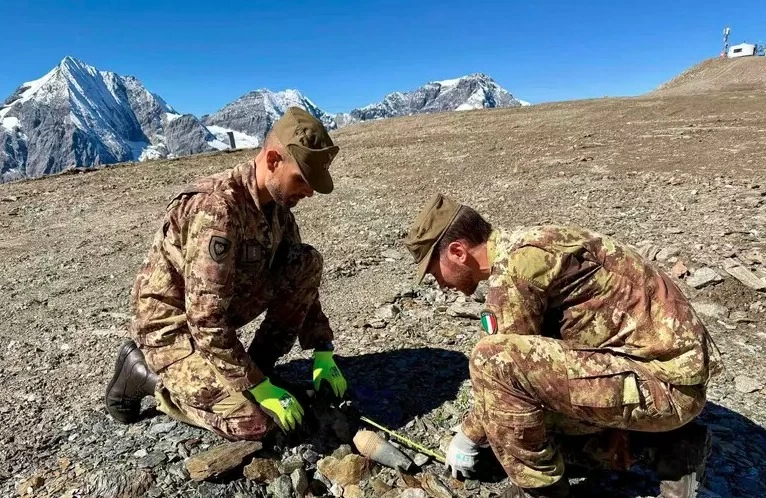
كشف ذوبان الأنهار الجليدية في جبال الألب الإيطالية عن أكثر من 250 قذيفة وقطعة متفجرة تعود إلى الحرب العالمية الأولى، ظلت مدفونة تحت الجليد لأكثر من قرن، في اكتشاف يسلط الضوء على مخاطر جديدة ناجمة عن ارتفاع درجات الحرارة وتراجع الغطاء الجليدي.
وأعلن الجيش الإيطالي أن فرقاً متخصصة تابعة للواء «جوليا» الجبلي تمكنت من انتشال الذخائر وإبطال مفعولها خلال عمليات تمشيط واسعة في جبال الدولوميت شمالي البلاد، بعدما أبلغ متنزهون عن العثور على أجسام متفجرة في مناطق جبلية شهدت معارك خلال الحرب العالمية الأولى.
ذخائر عمرها أكثر من 100 عام
وشملت المضبوطات قذائف مدفعية إيطالية وقنابل هاون فرنسية الصنع، بينها 18 قذيفة مدفعية من عيار 75 مليمتراً، و37 قذيفة هاون من طراز «تيفينو»، كانت تستخدمها القوات الإيطالية خلال الحرب.
ونُفذت عمليات البحث في منطقة بريميرو بمقاطعة ترينتينو، إلى جانب مواقع جبلية أخرى في إقليم ترينتينو ألتو أديجي، حيث كشفت عمليات انحسار الجليد عن مخلفات عسكرية بقيت محفوظة منذ المعارك التي دارت بين القوات الإيطالية والنمساوية المجرية خلال الفترة من 1915 إلى 1918.
تغير المناخ يعيد مخلفات الحرب إلى السطح
ونقلت صحيفة «الغارديان» البريطانية عن أستاذ التاريخ بجامعة بيرغامو الإيطالية ستيفانو موروسيني، أن ارتفاع درجات الحرارة العالمية أدى إلى تسارع ذوبان الأنهار الجليدية، ما تسبب في ظهور أعداد متزايدة من الذخائر والمعدات العسكرية القديمة.
وأوضح أن الجليد حافظ على هذه المخلفات لأكثر من مائة عام، إلا أن كثيراً منها لا يزال يحتفظ بخطورته، رغم مرور عقود طويلة على انتهاء الحرب.
ولم تقتصر الاكتشافات على الذخائر، إذ أسفر تراجع الجليد خلال السنوات الماضية عن ظهور أسلحة ومعدات عسكرية ورسائل ومذكرات شخصية، إضافة إلى بقايا جنود لقوا حتفهم خلال المعارك التي شهدتها المنطقة.
تحذيرات للمتنزهين
وحذر الجيش الإيطالي المتنزهين ومتسلقي الجبال من الاقتراب من أي أجسام يُشتبه في كونها ذخائر أو متفجرات، مشدداً على ضرورة عدم لمسها وإبلاغ الجهات الأمنية فور العثور عليها.
وتثير هذه الاكتشافات مخاوف متزايدة بشأن تأثير التغير المناخي في سلامة المناطق الجبلية، بعدما أصبح ذوبان الجليد يكشف عن مخاطر ظلت مخفية منذ أكثر من قرن.
The melting of glaciers in the Italian Alps has revealed more than 250 shells and explosive devices dating back to World War I, which remained buried under the ice for over a century, in a discovery that highlights new dangers arising from rising temperatures and the retreat of ice cover.
The Italian army announced that specialized teams from the "Julia" Alpine Brigade managed to recover and defuse the munitions during extensive search operations in the Dolomites in the northern part of the country, after hikers reported finding explosive objects in mountainous areas that witnessed battles during World War I.
Munitions Over 100 Years Old
The confiscated items included Italian artillery shells and French-made mortar bombs, among them 18 artillery shells of 75 millimeters caliber and 37 "Tivino" mortar shells, which were used by Italian forces during the war.
Search operations were conducted in the Primiero area of the Trentino province, alongside other mountainous sites in the Trentino-Alto Adige region, where the retreat of the ice revealed military remnants that had been preserved since the battles fought between Italian and Austro-Hungarian forces from 1915 to 1918.
Climate Change Brings War Remnants to the Surface
The British newspaper "The Guardian" quoted Stefano Morosini, a history professor at the University of Bergamo in Italy, stating that rising global temperatures have accelerated the melting of glaciers, leading to an increasing number of old munitions and military equipment surfacing.
He explained that the ice had preserved these remnants for over a hundred years, yet many of them still retain their danger, despite the decades that have passed since the end of the war.
The discoveries were not limited to munitions, as the retreat of the ice in recent years has also revealed weapons, military equipment, letters, and personal diaries, in addition to the remains of soldiers who lost their lives during the battles that took place in the area.
Warnings for Hikers
The Italian army has warned hikers and mountain climbers to stay away from any objects suspected of being munitions or explosives, emphasizing the need not to touch them and to notify security authorities immediately upon finding them.
These discoveries raise increasing concerns about the impact of climate change on the safety of mountainous areas, as the melting ice reveals dangers that have remained hidden for over a century.