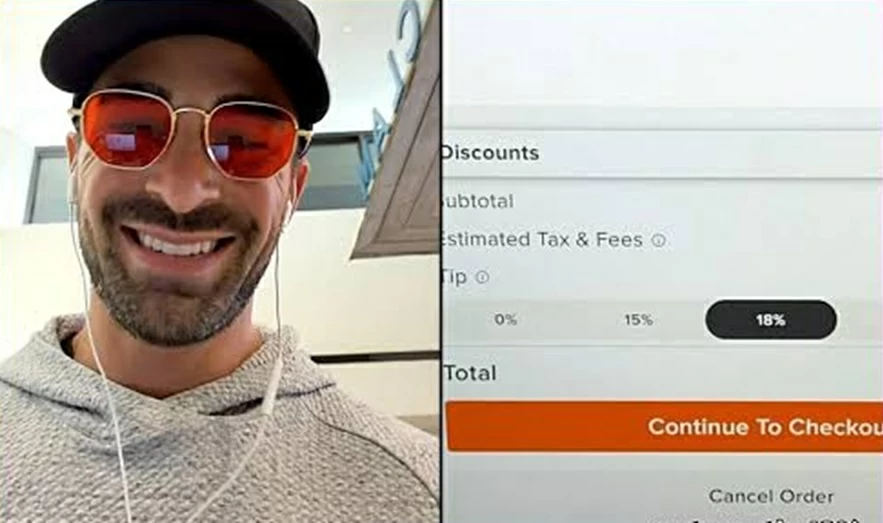
أثار جهاز دفع ذاتي موجة واسعة من الجدل والاستغراب بعدما طالب أحد الزبائن بدفع إكرامية أثناء إتمام عملية شراء بسيطة، رغم عدم وجود أي موظف يتولى الخدمة داخل المتجر.
ووقعت الحادثة داخل كشك يعتمد بالكامل على الخدمة الذاتية في أحد المطارات الأمريكية، حيث وثّق طبيب يُدعى كلاي موس تجربته ونشرها عبر منصة (تيك توك). وأوضح الطبيب أنه كان بصدد شراء زجاجة مياه عندما فوجئ بواجهة الدفع الإلكترونية تعرض عليه اختيار نسبة إكرامية محددة مسبقاً تتراوح بين 10% و15% و18% قبل إتمام عملية الشراء.
وما أثار دهشته أكثر أن المتجر يعمل دون أي عنصر بشري، إذ يعتمد على أنظمة البيع الذاتي بالكامل، ما دفعه إلى التساؤل عن الجهة التي تذهب إليها أموال الإكراميات في مثل هذه الحالات. وأشار إلى أن المبالغ قد تُحول إلى الجهة المشغلة للمتجر أو إلى أطراف أخرى مرتبطة بأنظمة الدفع، في ظل غياب وضوح كافٍ بشأن آلية توزيعها أو المستفيد منها.
وأشعل الفيديو نقاشاً واسعاً على مواقع التواصل الاجتماعي، إذ عبّر كثير من المستخدمين عن استغرابهم من انتشار طلبات الإكرامية في مواقف لا تتضمن خدمة مباشرة من موظفين. وذهب بعض المعلقين إلى المطالبة بمنح الزبائن خصومات بدلاً من طلب الإكراميات منهم؛ باعتبار أنهم يتولون بأنفسهم إجراءات الشراء والمحاسبة، بينما وصف آخرون الأمر بأنه ممارسة غير مبررة.
وفي ختام حديثه، دعا الطبيب المستهلكين إلى التحقق من خيارات الدفع المتاحة وعدم التردد في اختيار «بدون إكرامية» عند عدم وجود خدمة تستدعي ذلك، مع الاستفسار عن وجهة هذه المبالغ كلما أمكن.
A self-service payment device sparked a wide wave of controversy and astonishment after a customer requested a tip while completing a simple purchase, despite the absence of any staff member providing service inside the store.
The incident occurred inside a kiosk that relies entirely on self-service at an American airport, where a doctor named Clay Moss documented his experience and shared it on the platform (TikTok). The doctor explained that he was in the process of buying a bottle of water when he was surprised to see the electronic payment interface offering him a pre-set tip percentage ranging from 10% to 15% to 18% before completing the purchase.
What astonished him even more was that the store operates without any human element, as it relies entirely on self-service sales systems, which led him to question where the tip money goes in such cases. He pointed out that the amounts could be transferred to the entity operating the store or to other parties linked to the payment systems, in light of the lack of sufficient clarity regarding the distribution mechanism or the beneficiaries.
The video ignited a wide discussion on social media, with many users expressing their astonishment at the prevalence of tip requests in situations that do not involve direct service from employees. Some commentators went so far as to call for customers to be offered discounts instead of being asked for tips, considering that they are handling the purchasing and checkout processes themselves, while others described the practice as unjustified.
In conclusion, the doctor urged consumers to check the available payment options and not to hesitate to choose "no tip" when there is no service that warrants it, while inquiring about the destination of these amounts whenever possible.