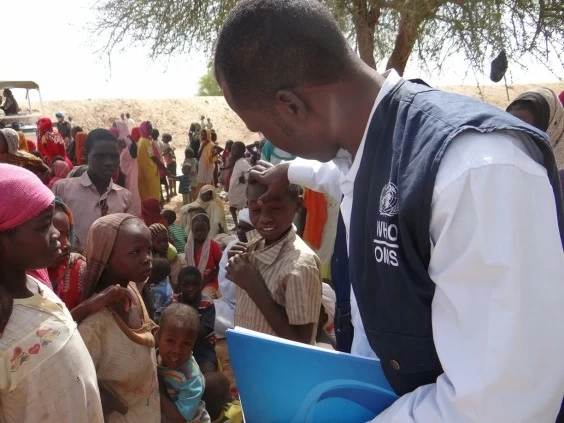
حذرت منظمة الصحة العالمية من تفاقم الأوضاع الصحية في إقليم دارفور غربي السودان، مؤكدة أن حجم الاحتياجات الصحية بات يفوق بكثير الموارد المتاحة، في ظل استمرار حالة عدم الاستقرار وتصاعد الضغوط على الخدمات الصحية.
وأوضحت المنظمة أن استمرار انعدام الاستقرار، إلى جانب الصدمات المناخية، يُتوقع أن يؤدي إلى زيادة معدلات النزوح وسوء التغذية وانتشار الأمراض الوبائية، ما يضع مزيداً من الضغوط على المرافق الصحية والعاملين في القطاع.
نقص الموارد يهدد الاستجابة
ودعت «الصحة العالمية» إلى زيادة الدعم المقدم للقطاع الصحي لمواكبة حجم الاحتياجات المتصاعدة وتجنب مزيد من المعاناة، مشيدة بجهود العاملين الصحيين الذين يواصلون تقديم الخدمات في ظروف إنسانية وأمنية بالغة الصعوبة.
وكانت المنظمة قد حذرت في وقت سابق من أن النزاع المستمر في السودان أدى إلى تراجع حاد في القدرة على الوصول إلى الرعاية الصحية، خصوصاً في دارفور وكردفان، مع تعطل مرافق صحية ونقص الأدوية والمستلزمات وصعوبة إيصال الإمدادات الإنسانية إلى المناطق المتضررة.
ملايين بحاجة إلى الرعاية
وبحسب أحدث تقديرات «الصحة العالمية»، يحتاج ملايين السودانيين إلى خدمات صحية عاجلة، فيما لا تزال نسبة كبيرة من المرافق الصحية خارج الخدمة أو تعمل بصورة جزئية.
وأشارت المنظمة إلى أن القتال في دارفور أدى كذلك إلى نزوح أعداد كبيرة من السكان، وعرقلة حركة الإمدادات الإنسانية، في وقت تتزامن فيه الأزمة مع مخاطر سوء التغذية وانتشار عدد من الأمراض والأوبئة.
وأكدت «الصحة العالمية» ضرورة ضمان وصول المساعدات الإنسانية والطبية بصورة آمنة ودون عوائق، وتوفير التمويل اللازم لاستمرار الخدمات الصحية والاستجابة لتفشي الأمراض في المناطق الأكثر تضرراً.
The World Health Organization has warned of the worsening health situation in the Darfur region of western Sudan, confirming that the scale of health needs far exceeds the available resources, amid ongoing instability and increasing pressure on health services.
The organization explained that the continued lack of stability, along with climate shocks, is expected to lead to increased rates of displacement, malnutrition, and the spread of epidemic diseases, putting further pressure on health facilities and workers in the sector.
Resource shortages threaten response
The WHO called for increased support for the health sector to match the rising needs and avoid further suffering, praising the efforts of health workers who continue to provide services in extremely difficult humanitarian and security conditions.
The organization had previously warned that the ongoing conflict in Sudan has led to a sharp decline in the ability to access healthcare, particularly in Darfur and Kordofan, with health facilities disrupted, and shortages of medicines and supplies, making it difficult to deliver humanitarian aid to affected areas.
Millions in need of care
According to the latest estimates from the WHO, millions of Sudanese need urgent health services, while a large percentage of health facilities remain out of service or are operating partially.
The organization noted that the fighting in Darfur has also led to the displacement of large numbers of people and hindered the movement of humanitarian supplies, at a time when the crisis coincides with risks of malnutrition and the spread of several diseases and epidemics.
The WHO emphasized the necessity of ensuring safe and unhindered access to humanitarian and medical assistance, as well as providing the necessary funding to sustain health services and respond to disease outbreaks in the most affected areas.