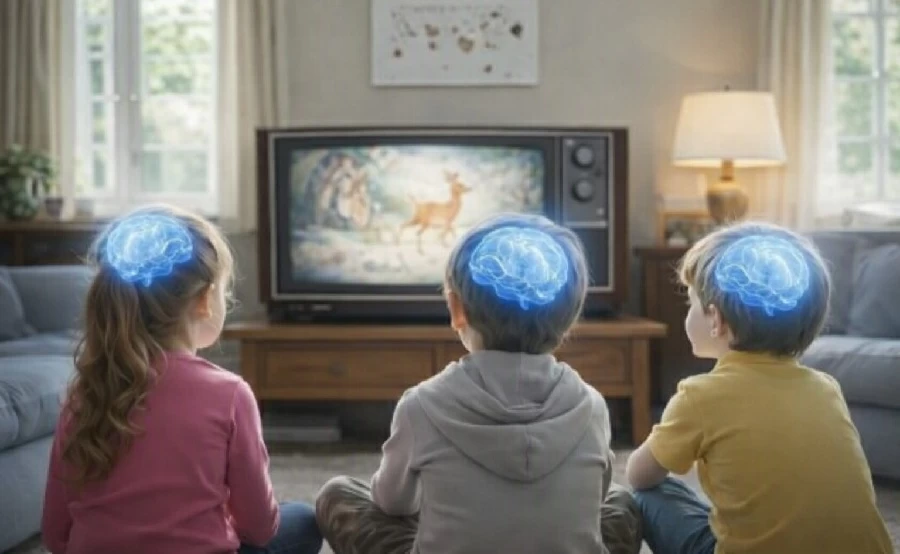
حذّر خبراء تربويون من أن الإيقاع السريع في مشاهد الرسوم المتحركة قد يؤثر في قدرة الأطفال على التركيز ومعالجة ما يشاهدونه، في وقت باتت فيه هذه البرامج جزءاً أساسياً من يوميات الصغار حول العالم.
وتنقل صحيفة (هَفِنغتون بوست) الإسبانية عن الباحثة ناتاليا كوسيركوفا، أستاذة دراسات الطفولة المبكرة في جامعة مانشستر متروبوليتان، قولها: إن تقييم برامج الأطفال لا يجب أن يقتصر على الرسائل التعليمية، بل ينبغي النظر أيضاً إلى طريقة عرض المحتوى وسرعة انتقاله.
وترى الباحثة أن الطفل يحتاج إلى وقت كافٍ لفهم الصور والأحداث وربط العلاقات بين الشخصيات، وأن الانتقال السريع بين المشاهد قد يحرم الطفل هذه المساحة، فينشغل بملاحقة الأحداث بدلاً من التوقف عند الأفكار والمشاعر التي يحاول العمل تقديمها.
وتوضح أن الإيقاع السريع لا يعني بالضرورة أن المحتوى سيئ، لكنه قد يجعل الطفل أقل قدرة على التأمل وأكثر عرضة للتشتت، بينما يمنح الإيقاع الهادئ مساحة أكبر لفهم التصرفات وربطها بتجارب الحياة اليومية، ويساعد على تطوير اللعب التخيلي والتفاعل مع المواقف الاجتماعية.
وتؤكد كوسيركوفا أن تأثير الرسوم المتحركة يختلف من طفل لآخر، إذ تلعب عوامل مثل العمر والمزاج والقدرة على التركيز والحساسية تجاه الأصوات والصور دوراً في تحديد المحتوى الأنسب، مشيرة إلى أن الأمر لا يتعلق بما يتعلمه الطفل فقط، بل أيضاً بكيفية تقديم المحتوى والزمن الذي يُمنح له لاستيعابه.
Educational experts have warned that the fast pace of scenes in animated shows may affect children's ability to focus and process what they are watching, at a time when these programs have become an essential part of young children's daily lives around the world.
The Spanish newspaper (Huffington Post) quotes researcher Natalia Kuserkova, a professor of early childhood studies at Manchester Metropolitan University, stating that the evaluation of children's programs should not be limited to educational messages, but should also consider the way content is presented and the speed of transitions.
The researcher believes that a child needs enough time to understand images and events and to connect relationships between characters, and that rapid transitions between scenes may deprive the child of this space, causing them to focus on chasing events instead of pausing to reflect on the ideas and emotions the work is trying to convey.
She explains that a fast pace does not necessarily mean that the content is poor, but it may make the child less capable of contemplation and more prone to distraction, while a calm pace provides a greater space for understanding behaviors and linking them to everyday life experiences, and helps develop imaginative play and interaction with social situations.
Kuserkova emphasizes that the impact of animated shows varies from child to child, as factors such as age, temperament, ability to focus, and sensitivity to sounds and images play a role in determining the most suitable content, noting that it is not only about what the child learns, but also about how the content is presented and the time given to absorb it.