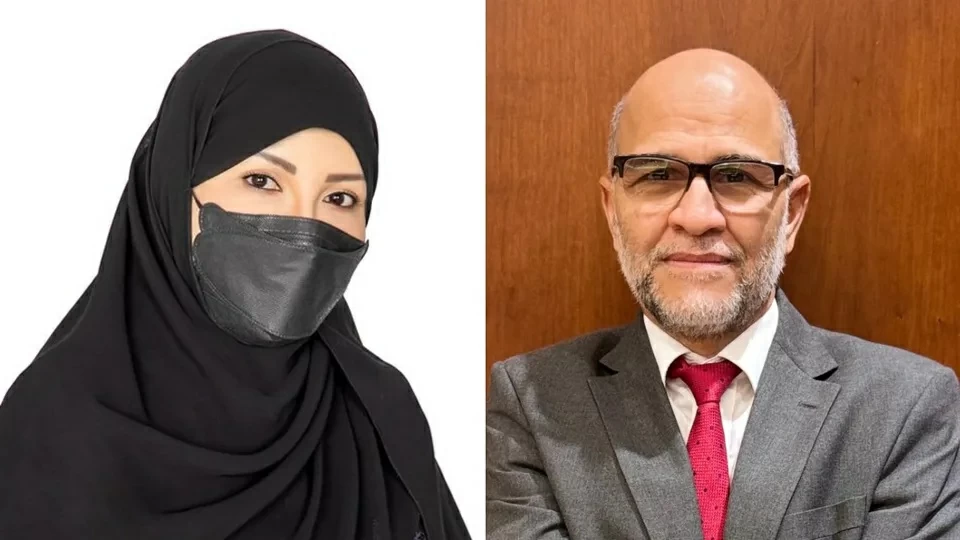
أُقيم ملتقى التقزم، وتضمّن مناقشات علمية عن حالات الودانة لدى الأطفال، وتسليط الضوء على تأثيرها على المجتمع، إلى جانب التعريف بأسبابها وأحدث الحلول العلاجية المتاحة. وشهد الملتقى مشاركة نخبة من استشاريي الأمراض الوراثية والغدد الصماء واختصاصيي علاج اضطرابات العظام.
هدف هذا الملتقى إلى تعزيز الوعي الطبي بحالات الودانة، والتعريف بأحدث التطورات والحلول الطبية المتاحة، ودورها في تحسين معدلات النمو لدى الأطفال والحد من المضاعفات المرتبطة بالحالة، بما يسهم في تحسين جودة حياتهم ودعم اندماجهم الفاعل في المجتمع.
وتم عقد جلسات علمية موسعة ناقش فيها الحضور آخر المستجدات السريرية، والمعايير العلمية لاستخدام العلاجات المتقدمة، والبروتوكولات الحديثة للتشخيص المبكر والتدخل الطبي الممنهج وسبل الرعاية الشاملة متعددة التخصصات.
واستعرضت الدكتورة مها فادن، استشارية الوراثة وأمراض خلل التنسج الهيكلي الوراثي بمدينة الملك سعود الطبية، مستجدات التعامل الطبي والبحثي مع أمراض تقزم العظام النادرة، مؤكدة على أهمية الوعي المجتمعي بالفحوصات المبكرة لتحسين جودة حياة المصابين.
ولفتت فادن إلى أن الجهود الأخيرة على مستوى العلاجات الحيوية الحديثة لـ "الودانة الغضروفية" تعمل على تحفيز نمو العظام الطويلة لدى الأطفال المصابين بالتقزم، مشيرة إلى أن آلية عمل هذه العلاجات تتمثل في تثبيط مسار الإشارات الخلوية المسؤول عن إبطاء ومنع نمو الغضاريف طبيعيًا، مما يساعد الأطراف على النمو بشكل أفضل ويحسّن البنية الهيكلية للمريض.
ووجهت الدكتورة مها فادن، التي ساهمت في تأسيس وتطوير وحدة الوراثة الطبية بمدينة الملك سعود الطبية، دعوة بضرورة نشر الوعي الصحي المبكر حول الأمراض الوراثية النادرة في المجتمع، مشددة على أهمية تشجيع الأسر على الاستفادة من الفحوصات الجينية المتقدمة والتقنيات الحديثة، لما لها من دور محوري في الوصول إلى التشخيص السريع والدقيق، وبدء التدخلات الطبية في وقت قياسي يضمن الفعالية القصوى للعلاج.
من جهته، أكد الدكتور عبدالهادي حبيب استشاري غدد صماء الأطفال بمستشفى الأمير محمد بن عبدالعزيز بالمدينة المنورة على الأهمية البالغة للتشخيص المبكر والدعم النفسي الشامل بما يمنح الأسر فرصة مثالية للاستعداد النفسي والتخطيط العلاجي السليم قبل استقبال المولود.
ولفت الاستشاري إلى أن الطفرة التاريخية في الأبحاث العلاجية الخاصة بهذا الحالة تبشر بنجاحات ليس فقط على مستوى زيادة الطول فحسب، بل تمتد لتشمل علاج وتخفيف المضاعفات والتشوهات الخلقية المصاحبة للحالة، وعلى رأسها تقوس العمود الفقري وتضيق القنوات العصبية، مما يمنحهم حركية أفضل ويقيهم الآلام المزمنة.
وشدد الدكتور عبدالهادي حبيب على ضرورة التركيز على المحور النفسي والاجتماعي، مبينًا أن المصابين بالتقزم يواجهون تحديات وصعوبات مجتمعية متمثلة في التنمر في المدارس، أو بيئات العمل، داعيًا إلى ضرورة تكثيف جهود الإرشاد النفسي والدعم المعنوي للأسر والمصابين على حد سواء، لتعزيز قدرتهم على التعايش، وبناء الثقة بالنفس، والاندماج الكامل والفعّال في المجتمع.
من جانبها، أوضحت الدكتورة عفاف الصغير، استشارية الغدد الصماء وطب الأطفال بمستشفى الملك فيصل التخصصي بالرياض، أن مفهوم "التقزم" لا يشير إلى حالة واحده بعينها، بل هو وصف سريري لحالات القصر الشديد في القامة، مشيرة إلى أن مسبباته الطبية واسعة جداً وتتجاوز 400 حالة مختلفة.
واستعرضت استشاري طب الأطفال أبرز التحديات والمضاعفات الطبية المرتبطة بالتقزم الغضروفي، محذرة من أن بعضها قد يهدد الحياة، ومن أخطرها تضيق الثقبة العظمى عند قاعدة الجمجمة والذي قد يضغط على جذع الدماغ في مرحلة الرضاعة، فيما تأتي الاضطرابات التنفسية والحركية كأحد أبرز هذه التحديات والتي تشمل انقطاع النفس أثناء النوم وتأخر المهارات الحركية والسمنة، إضافة إلى تلك المشكلات المتعلقة بالعظام والسمع مثل التهابات الأذن المتكررة وضعف السمع وانحناءات العمود الفقري وتقوس الساقين، إضافة إلى تضيّق القناة الشوكية عند الكبر.
ودعت الاستشارية بمستشفى الملك فيصل التخصصي بالرياض إلى ضرورة تشخيص الحالة مبكرًا، سواء أثناء الحمل عبر الأشعة والفحص الجيني، أو بعد الولادة مباشرة، مؤكدة أن التدخل المبكر يغير مسار حياة الطفل لثلاثة أسباب جوهرية، حيث إن الوقاية المبكرة تسمح بمتابعة منظمة وإرشاد الأهل لطرق حمل وجلوس الطفل لتجنب تحدب الظهر، ومتابعة السمع والتغذية.
وأكدت الدكتورة عفاف أن المنظومة العلاجية لحالات التقزم تشهد نقلة تاريخية حقيقية، مشيرة إلى أنه بعد عقود طويلة اقتصر فيها دور الطب على معالجة المضاعفات جراحيًا، تشهد هذه المنظومة حاليًا تحولًا نحو علاج السبب الجذري؛ إذ تستهدف الأدوية الحديثة الإشارة الزائدة الصادرة من مستقبل جين (FGFR3) مباشرة.
وأكد الأطباء أن توفير مثل هذه العلاجات الحديثة يمثل نقلة نوعية في قطاع الرعاية الصحية بالمملكة، مشددين على أهمية تضافر جهود الجهات الصحية، والقطاع الإعلامي، والأسر لنشر الوعي الصحي ودعم الحالات وأسرهم بالمعلومات الموثوقة.
The dwarfism forum was held, which included scientific discussions about cases of dwarfism in children, highlighting its impact on society, along with an introduction to its causes and the latest available treatment solutions. The forum witnessed the participation of a select group of genetic and endocrine disease consultants and specialists in treating bone disorders.
The aim of this forum was to enhance medical awareness of dwarfism cases, introduce the latest developments and available medical solutions, and their role in improving growth rates in children and reducing complications associated with the condition, contributing to improving their quality of life and supporting their active integration into society.
Extended scientific sessions were held where attendees discussed the latest clinical updates, scientific criteria for using advanced treatments, modern protocols for early diagnosis and systematic medical intervention, and comprehensive multidisciplinary care approaches.
Dr. Maha Faden, a consultant in genetics and skeletal dysplasia at King Saud Medical City, presented updates on medical and research approaches to rare bone dwarfism diseases, emphasizing the importance of community awareness regarding early screenings to improve the quality of life for those affected.
Faden pointed out that recent efforts in modern biological treatments for "cartilaginous dwarfism" aim to stimulate the growth of long bones in children with dwarfism, noting that the mechanism of action of these treatments involves inhibiting the cellular signaling pathway responsible for slowing and preventing the natural growth of cartilage, which helps the limbs grow better and improves the patient's skeletal structure.
Dr. Maha Faden, who contributed to the establishment and development of the medical genetics unit at King Saud Medical City, called for the necessity of spreading early health awareness about rare genetic diseases in the community, stressing the importance of encouraging families to benefit from advanced genetic screenings and modern technologies, as they play a pivotal role in achieving rapid and accurate diagnoses and starting medical interventions in a timely manner that ensures maximum treatment effectiveness.
For his part, Dr. Abdulhadi Habib, a pediatric endocrinologist at Prince Mohammed bin Abdulaziz Hospital in Medina, emphasized the critical importance of early diagnosis and comprehensive psychological support, which provides families with an ideal opportunity for psychological preparation and proper treatment planning before welcoming the newborn.
The consultant pointed out that the historic breakthrough in therapeutic research for this condition promises successes not only in increasing height but also extends to treating and alleviating complications and congenital deformities associated with the condition, foremost of which are spinal curvature and narrowing of the nerve canals, providing them with better mobility and protecting them from chronic pain.
Dr. Abdulhadi Habib stressed the need to focus on the psychological and social aspects, indicating that individuals with dwarfism face societal challenges and difficulties represented by bullying in schools or workplaces, calling for intensified efforts in psychological counseling and moral support for both families and individuals, to enhance their ability to cope, build self-confidence, and achieve full and effective integration into society.
For her part, Dr. Afaf Al-Saghir, a consultant in endocrinology and pediatrics at King Faisal Specialist Hospital in Riyadh, clarified that the concept of "dwarfism" does not refer to a single condition but is a clinical description of cases of severe short stature, noting that its medical causes are very broad and exceed 400 different conditions.
The pediatric consultant reviewed the main challenges and medical complications associated with cartilaginous dwarfism, warning that some of them may threaten life, with one of the most serious being the narrowing of the foramen magnum at the base of the skull, which may compress the brainstem during infancy, while respiratory and motor disorders are among the most prominent of these challenges, including sleep apnea, delayed motor skills, and obesity, in addition to those problems related to bones and hearing such as recurrent ear infections, hearing loss, spinal curvature, and bowing of the legs, as well as narrowing of the spinal canal in adulthood.
The consultant at King Faisal Specialist Hospital in Riyadh called for the necessity of early diagnosis of the condition, whether during pregnancy through imaging and genetic testing, or immediately after birth, emphasizing that early intervention changes the course of the child's life for three fundamental reasons, as early prevention allows for organized follow-up and guidance for parents on how to carry and position the child to avoid spinal hunching, as well as monitoring hearing and nutrition.
Dr. Afaf confirmed that the treatment system for dwarfism cases is witnessing a true historical shift, noting that after decades in which the role of medicine was limited to surgically addressing complications, this system is currently undergoing a transformation towards treating the root cause; modern medications directly target the excessive signaling emitted from the (FGFR3) gene receptor.
Doctors confirmed that providing such modern treatments represents a qualitative leap in the healthcare sector in the Kingdom, emphasizing the importance of the concerted efforts of health authorities, the media sector, and families to raise health awareness and support cases and their families with reliable information.