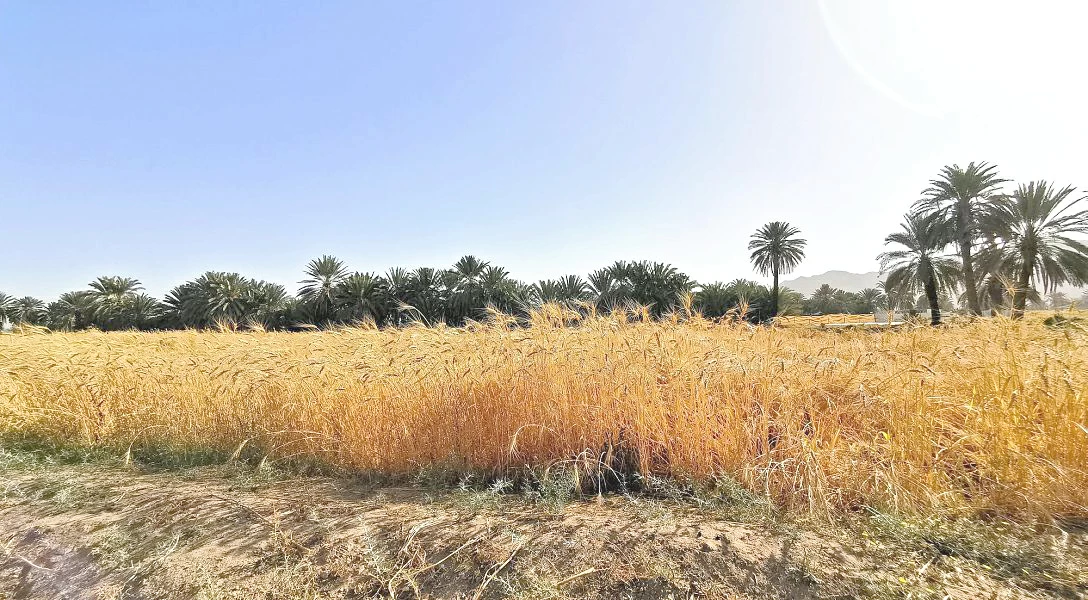
أمهلت وزارة البيئة والمياه والزراعة ملاك الأراضي الزراعية المهملة 60 يوماًلتحديث بياناتهم بما يمكنهم من إعادة إحياء أراضيهم الزراعية المعطلة. وعزت الوزارة خطوتها بـ «تحويل المساحات غير المستغلة إلى طاقات إنتاجية فعلية، وتنمية الغطاء النباتي، وتعظيم الاستفادة من الثروات الزراعية المتاحة»
وكانت وزارة البيئة، اطلقت مبادرة لحصر وتسجيل المزارع المهملة في مختلف مناطق السعودية ؛ لدراسة فرص تأهيلها وإعادتها مجددًا إلى منظومة النشاط الزراعي والتنسيق الاقتصادي وخصصت في هذا الشأن موقعا الكترونيا يمكن ملاك المزارع من تحديث البيانات اعتبارا من اول اكتوبر الحالي وأكدت أن إعادة تأهيل المزارع المهملة تدعم بشكل مباشر منظومة الأمن الغذائي، وتحافظ على الاستدامة البيئية والموارد الطبيعية.
يشار إلى أن فرع وزارة البيئة والزراعة في عسير، بحث قبل ايام سبل إعادة المزارع المهملة وغير المستغلة إلى دائرة الإنتاج، من خلال حصرها وتحديد احتياجاتها ووضع خطط لتأهيلها وبناء خطط عملية لإعادة تأهيلها وتفعيل نشاطها الزراعي، إلى جانب آليات المتابعة الميدانية للمشروعات، ورصد التحديات التي قد تواجه أعمال التأهيل، واقتراح الحلول المناسبة لمعالجتها.
The Ministry of Environment, Water, and Agriculture has given owners of neglected agricultural lands a 60-day deadline to update their information, enabling them to revive their inactive agricultural lands. The ministry attributed its step to "transforming unused areas into actual productive capacities, developing vegetation cover, and maximizing the benefits from available agricultural resources."
The Ministry of Environment launched an initiative to identify and register neglected farms in various regions of Saudi Arabia; to study opportunities for rehabilitating them and reintegrating them into the agricultural activity and economic coordination. In this regard, it has dedicated a website that allows farm owners to update their information starting from the first of October. It confirmed that rehabilitating neglected farms directly supports the food security system and preserves environmental sustainability and natural resources.
It is noteworthy that the branch of the Ministry of Environment and Agriculture in Asir recently discussed ways to bring neglected and unused farms back into production by identifying their needs and developing plans for their rehabilitation, as well as creating practical plans to reactivate their agricultural activities, alongside mechanisms for field monitoring of projects, identifying challenges that may face rehabilitation efforts, and proposing appropriate solutions to address them.