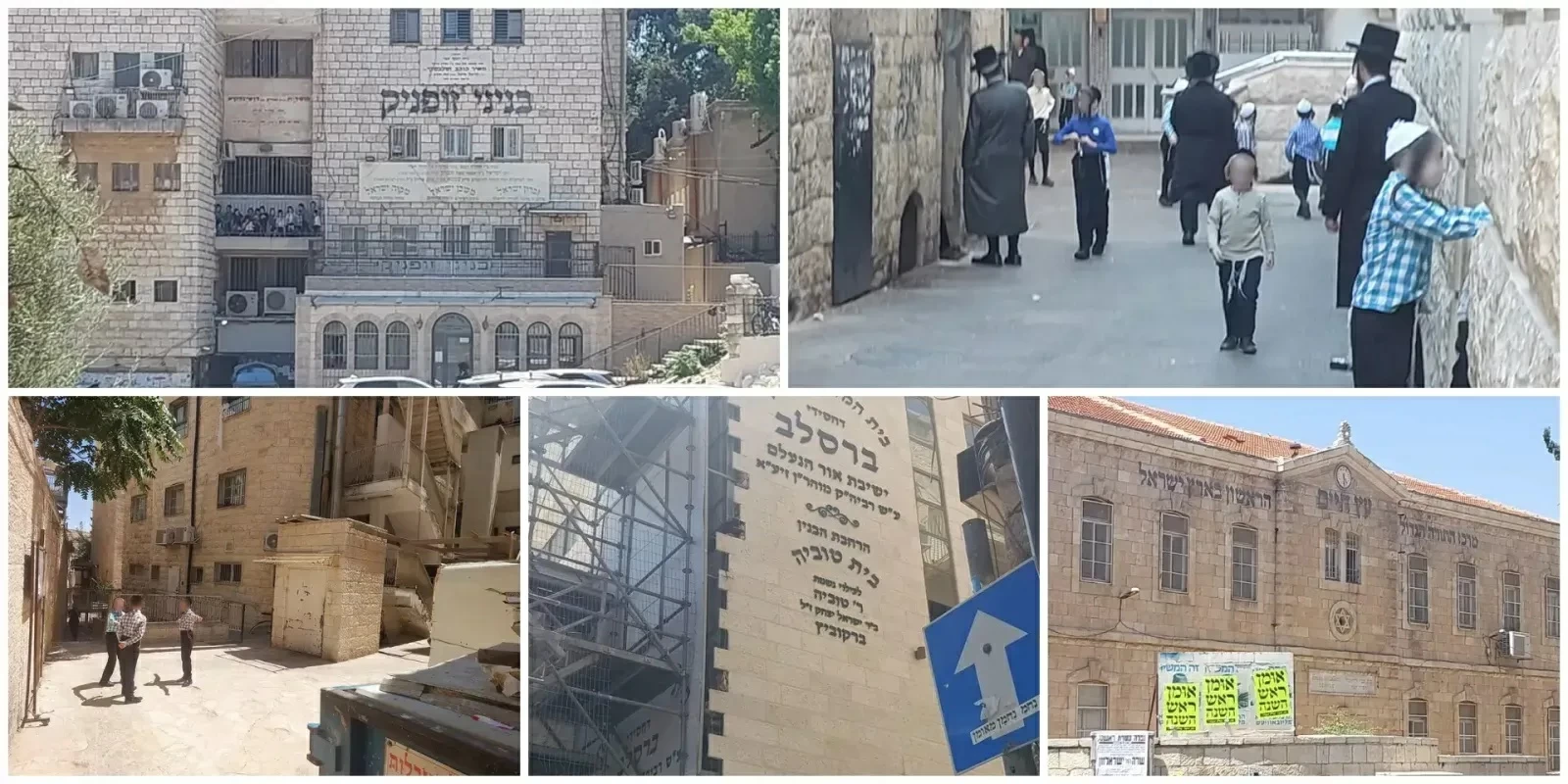
على بعد مسافة قصيرة من مقرات مؤسسات الحكم الرسمية في وسط القدس، تعمل شبكة كاملة من المؤسسات التعليمية اليهودية التي لا ترصدها دفاتر وزارة التربية والتعليم في إسرائيل. مئات الفتيان يتلقون دروسهم يومياً بلغتهم المحلية داخل مبانٍ تتوزع فيها فصول الدراسة بلا تراخيص رسمية أو تمويل حكومي، معتمدين كلياً على التبرعات والجهود الخاصة بعيداً عن أية رقابة إدارية.
وتكشف البيانات الرسمية وتقارير الرصد عن أرقام لافتة تتعلق بعشرات الآلاف من الأطفال في سن الدراسة ممن لا يظهرون في قواعد بيانات المؤسسات المعترفة بها. وغالباً ما تنتمي هذه الفئات إلى مجتمعات دينية متشددة ترفض التعامل مع المنظومة البيروقراطية الرسمية، وتفضل إدارة شؤونها بمعزل عن القوانين التي تفرضها الدولة على بقية المدارس.
ولا تتوقف هذه المعضلة عند حدود غياب البيانات الإحصائية، بل تمتد لتلقي بظلال ثقيلة على مسار الشبان عندما يحين موعد خدمتهم العسكرية الإلزامية. فغياب الأسماء عن السجلات النظامية يخلق مسارات معقدة ومعابر جانبية للإعفاء، بداية من الاعتماد على مؤسسات دينية غير مسجلة مروراً بترتيب ملفات طبية خاصة وصولاً إلى الترتيبات الأسرية المبكرة التي تعفي أصحابها من التجنيد.
وتشير النقاشات الدائرة بين المسؤولين المحليين والجهات الحقوقية إلى وجود حسابات سياسية معقدة تفرض التعامل بحذر شديد مع هذا الملف، تفادياً لأي توترات مجتمعية قد تندلع في الشوارع. ورغم لجوء بعض الأطراف إلى القضاء للمطالبة بفرض قوانين التعليم الإلزامي، فإن شبكة المدارس السرية تواصل توسعها بهدوء، تاركةً خلفها أسئلة كبرى حول قدرة الإدارة على ضبط مجتمعها وفرض قواعد النظام العام على الجميع دون استثناء.
Just a short distance from the official government institutions in the heart of Jerusalem, a complete network of Jewish educational institutions operates that is not recorded in the books of the Ministry of Education in Israel. Hundreds of boys receive their lessons daily in their local language within buildings where classrooms are distributed without official licenses or government funding, relying entirely on donations and private efforts away from any administrative oversight.
Official data and monitoring reports reveal striking figures concerning tens of thousands of school-age children who do not appear in the databases of recognized institutions. These groups often belong to strict religious communities that refuse to engage with the official bureaucratic system and prefer to manage their affairs independently of the laws imposed by the state on other schools.
This dilemma does not stop at the absence of statistical data; it extends to cast heavy shadows on the paths of young people when their mandatory military service time arrives. The absence of names from official records creates complex pathways and side channels for exemption, starting from reliance on unregistered religious institutions, through arranging special medical files, to early family arrangements that exempt their holders from conscription.
Discussions among local officials and human rights organizations indicate the existence of complex political calculations that necessitate dealing with this issue with extreme caution, to avoid any community tensions that may erupt in the streets. Despite some parties resorting to the courts to demand the enforcement of compulsory education laws, the network of secret schools continues to expand quietly, leaving behind major questions about the administration's ability to regulate its community and impose public order rules on everyone without exception.