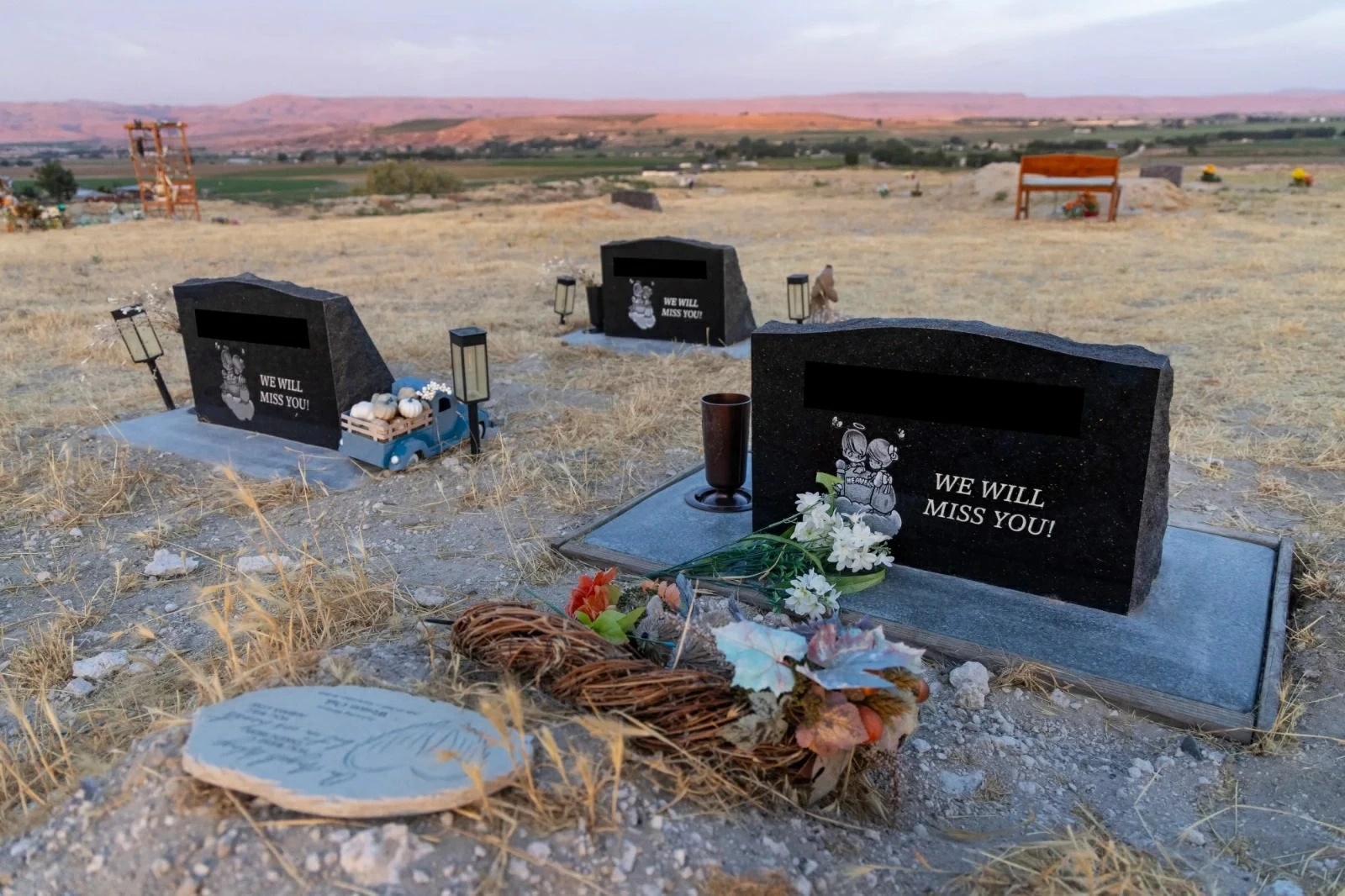
في واقعة أثارت حزناً واسعاً وتساؤلات حقوقية معقدة في ولاية آيداهو الأمريكية، فقدت عائلة واحدة أربعة من أطفالها الصغار تباعاً على مدار سنوات، جراء إصابتهم بأمراض قابلة للعلاج مثل السكري والمضاعفات التنفسية، دون أن تتمكن السلطات الأمنية أو أجهزة الرعاية الاجتماعية من التدخل لإنقاذهم.
وتعود جذور المأساة إلى انتماء العائلة لطائفة دينية تعتقد أن اللجوء للطب الحديث يمثل خطيئة وتراجعاً عن الإيمان، مما دفع الوالدين لامتناع تام عن إحضار الأطباء أو تقديم الأدوية لأطفالهم أثناء معاناتهم المرضية. ورغم تكرار حالات الفقد داخل نفس المنزل، وقفت الشرطة مكبلة الأيدي أمام ثغرة قانونية صريحة في تشريعات الولاية تعفي أولياء الأمور من المسؤولية الجنائية وتمنع تصنيف هذا الامتناع كجرم إهمال.
وتكشف سجلات الرعاية الصحية أن هذه الاستثناءات التشريعية لا تحمي الوالدين من الملاحقة القانونية فحسب، بل تحرم الخدمة الاجتماعية أيضاً من حق التدخل السريع لسحب باقي الأشقاء الأحياء أو فرض علاج إجباري عليهم لحمايتهم من نفس المصير، بخلاف ما هو معمول به في ولايات مجاورة ألغت هذه الحصانات لحماية أرواح الأطفال.
ويرى مسؤولون أمنيون وخبراء في حماية الطفل أن هذه الفجوة التشريعية تترك أطفال تلك الجماعات المغلقة بلا شبكة أمان، حيث يستمر غياب الرعاية الطبية الأساسية تحت مظلة القانون، مما يجعل الأطباء والمحققتين عاجزين عن اكتشاف الأزمات الصحية الطارئة إلا بعد فوات الأوان.
In an incident that sparked widespread sorrow and complex human rights questions in the U.S. state of Idaho, one family lost four of their young children consecutively over the years due to treatable illnesses such as diabetes and respiratory complications, without the authorities or social services being able to intervene to save them.
The roots of this tragedy lie in the family's affiliation with a religious sect that believes seeking modern medical treatment is a sin and a retreat from faith, which led the parents to completely refrain from bringing in doctors or providing medication to their children during their illnesses. Despite the repeated instances of loss within the same household, the police found themselves powerless due to a clear legal loophole in state legislation that exempts parents from criminal responsibility and prevents this refusal from being classified as neglect.
Healthcare records reveal that these legislative exceptions not only protect the parents from legal prosecution but also deprive social services of the right to intervene swiftly to remove the surviving siblings or impose mandatory treatment on them to protect them from the same fate, unlike what is practiced in neighboring states that have eliminated these immunities to safeguard children's lives.
Security officials and child protection experts believe that this legislative gap leaves children from these closed communities without a safety net, as the absence of basic medical care continues under the law, making it impossible for doctors and investigators to discover urgent health crises until it is too late.