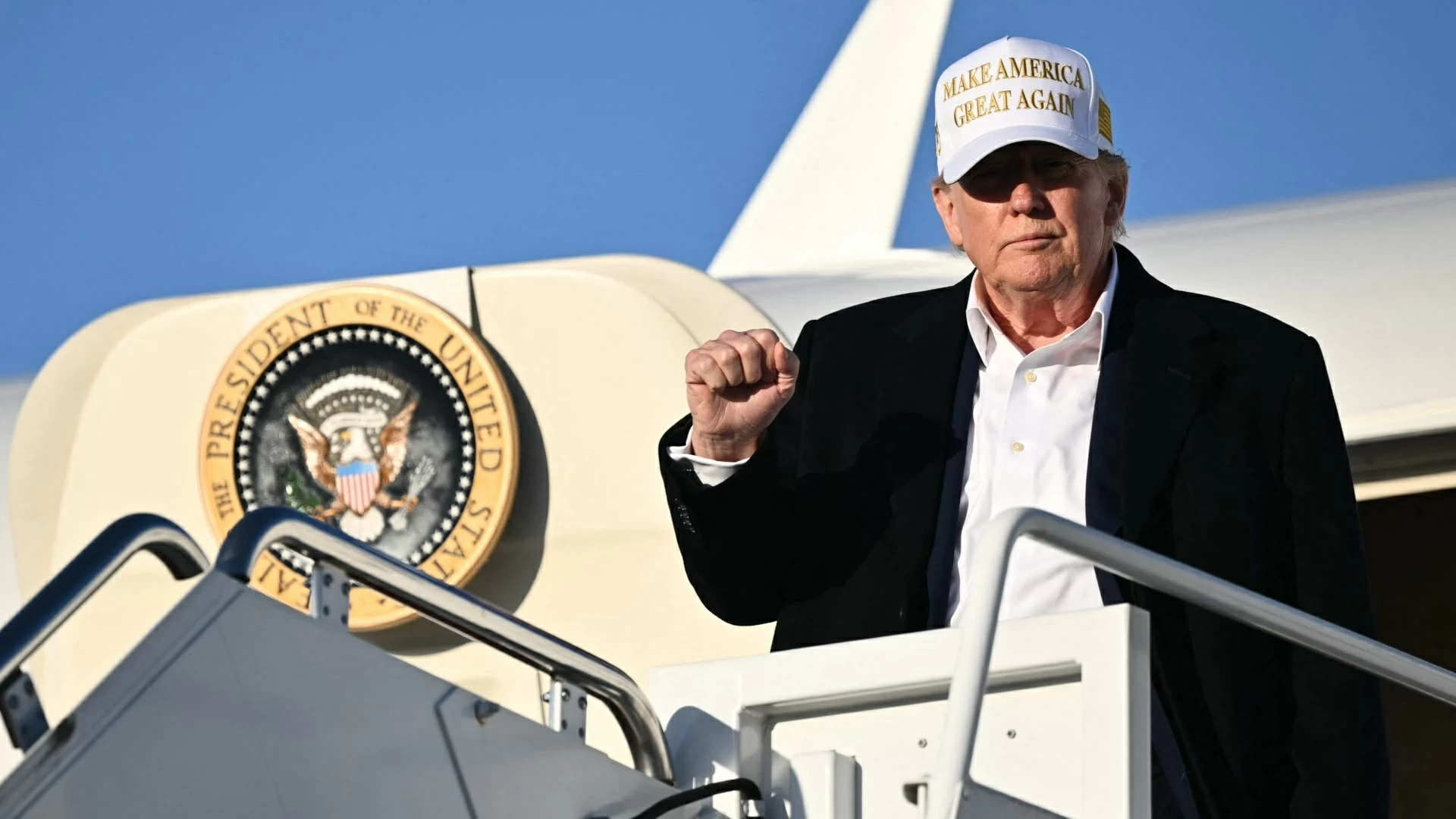
لم تبدأ الحكاية داخل قاعة محكمة، ولم يكن الصحفيون في البداية هم أبطالها. بدأت القصة ببساطة من طائرة بوينغ 747-8 قدمتها قطر للولايات المتحدة لتكون طائرة رئاسية مؤقتة، قبل أن تتحول خلال أسابيع قليلة من هدية مثيرة للانتباه إلى محور أزمة أمنية، وتحقيق جنائي استهدف صحافيي «نيويورك تايمز»، وانتهى بصدام حاد أمام قاضٍ فيدرالي.
بدأت الفصول الفعلية للقضية في يوليو، خلال رحلة للرئيس دونالد ترمب إلى تركيا. فقد لوحظ أن الرئيس لم يستعمل الطائرة القطرية الجديدة في رحلة عودته كما كان متوقعاً. ونشرت «نيويورك تايمز» في 8 يوليو تقارير، استناداً إلى مصادر مسؤولة، تؤكد وجود مخاوف أمنية تتعلق بغياب بعض أنظمة الحماية المتطورة ومواجهة الصواريخ عن الطائرة، في توقيت شديد الحساسية تزايدت فيه التوترات العسكرية بالمنطقة.
هذا التقرير الصحفي أشعل فتيل الأزمة، إذ تحول تركيز السلطات سريعاً من أمن الطائرة إلى سؤال مركزي: كيف وصلت هذه المعلومات الحساسة إلى الإعلام؟
وفي 10 يوليو، أصدر مكتب المدعي العام الأمريكي في مانهاتن أوامر استدعاء لعدد من صحافيي «نيويورك تايمز» للمثول أمام هيئة محلفين كبرى. ولم تتوقف الإجراءات عند هذا الحد، بل سعت وزارة العدل إلى الحصول على سجلات اتصالات هاتفية طالت صحفيين وأفراداً من عائلاتهم، وُغطت فترات زمنية امتدت لأشهر قبل نشر التقارير.
دافعت الحكومة عن تحركاتها بالقول إن الصحفيين يُعاملون كـ«شهود» لا كأهداف، وإن الهدف الأساسي هو مكافحة تسريب معلومات مصنفة، بينما رفضت الصحيفة الامتثال معتبرة أن هذه الإجراءات تنتهك الحماية الدستورية لسرية المصادر الصحفية وتوسع نطاق التحقيق بصورة غير مبررة.
ومع حلول 23 يوليو، عقد القاضي الفيدرالي أرون سوبرامانيان جلسة حاسمة وجه خلالها أسئلة دقيقة وحادة لممثلي وزارة العدل بشأن مدى التزامهم بالإجراءات الاستثنائية الخاصة بالتحقيقات التي تشمل وسائل الإعلام.
وتحت ضغط المحكمة، أعلنت الحكومة تراجعها عن الأوامر، ليصدر القاضي أمراً قضائياً يوصف تلك الإجراءات بأنها «باطلة ولاغية» (Null and Void)، مشترطاً أن تعود الحكومة إلى المحكمة مسبقاً حال رغبتها في إصدار أوامر جديدة.
لكن وعلى الرغم من إسقاط أوامر الاستدعاء الفردية، لم يُغلق التحقيق الجنائي في التسريب. وفي سبتمبر، عاد الملف للواجهة خلال جلسة رقابية لمجلس الشيوخ مع مدير مكتب التحقيقات الفيدرالي (FBI) كاش باتيل، الذي أكد أن التحقيقات في تسريب المعلومات الحساسة لا تزال مستمرة، مما يحافظ على اشتعال النقاش الدستوري حول المعادلة الصعبة: فإلى أي مدى يمكن الذهاب لملاحقة مصادر الصحافة تحت غطاء الأمن القومي؟
The story did not begin inside a courtroom, nor were journalists initially its protagonists. The tale simply started with a Boeing 747-8 that Qatar provided to the United States to serve as a temporary presidential aircraft, before it quickly transformed from an eye-catching gift into the center of a security crisis and a criminal investigation targeting journalists from the "New York Times," culminating in a sharp confrontation before a federal judge.
The actual chapters of the case began in July, during President Donald Trump's trip to Turkey. It was noted that the president did not use the new Qatari aircraft on his return trip as expected. On July 8, the "New York Times" published reports, based on responsible sources, confirming the existence of security concerns regarding the absence of certain advanced protection systems and missile defense on the aircraft, at a highly sensitive time when military tensions in the region were escalating.
This journalistic report ignited the crisis, as the authorities' focus quickly shifted from the security of the aircraft to a central question: How did this sensitive information reach the media?
On July 10, the U.S. Attorney's Office in Manhattan issued subpoenas for several "New York Times" journalists to appear before a grand jury. The actions did not stop there; the Department of Justice sought to obtain phone records that included journalists and their family members, covering time periods that extended for months before the reports were published.
The government defended its actions by stating that journalists were treated as "witnesses" rather than targets, and that the primary goal was to combat the leaking of classified information, while the newspaper refused to comply, arguing that these actions violated the constitutional protection of journalistic source confidentiality and unjustifiably expanded the scope of the investigation.
By July 23, federal judge Aaron Subramanian held a critical session during which he posed precise and sharp questions to representatives of the Department of Justice regarding their adherence to the exceptional procedures related to investigations involving the media.
Under pressure from the court, the government announced its withdrawal from the subpoenas, prompting the judge to issue a ruling describing those actions as "null and void," stipulating that the government must return to court in advance if it wished to issue new orders.
However, despite the dismissal of the individual subpoenas, the criminal investigation into the leak was not closed. In September, the case resurfaced during a Senate oversight session with FBI Director Kash Patel, who confirmed that investigations into the leaking of sensitive information were still ongoing, keeping the constitutional debate alive regarding the difficult equation: How far can one go in pursuing journalistic sources under the guise of national security?