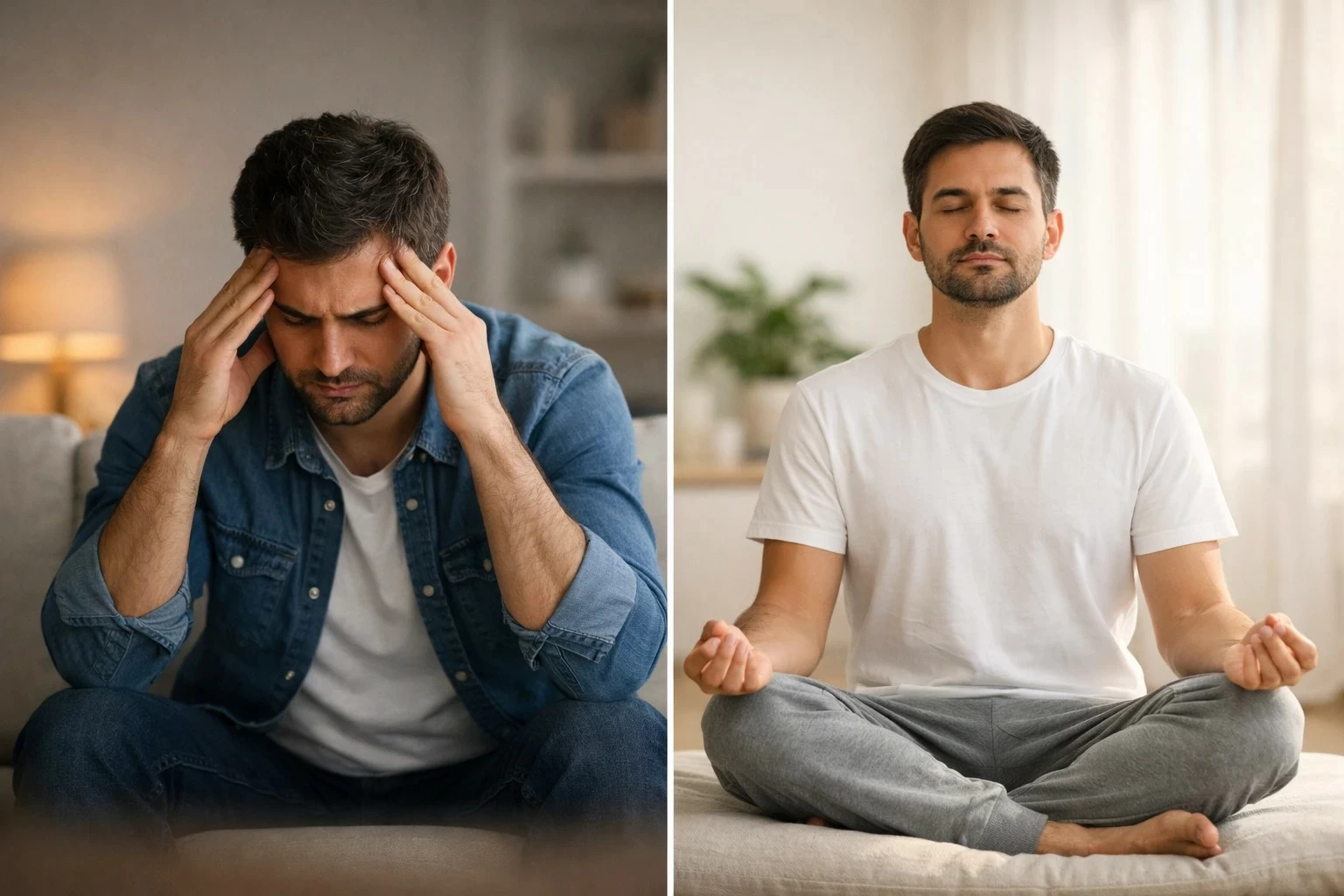
قبل مقابلة عمل مهمة، أو عرض تقديمي أمام الجمهور، أو حتى محادثة صعبة، قد تظهر على الجسم علامات التوتر سريعاً؛ من تسارع ضربات القلب وتعرق اليدين إلى الشعور بالقلق والترقب.
وبينما يلجأ البعض إلى العناق أو الحديث مع شخص مقرب لتخفيف الضغط، تشير دراسة إلى أن حيلة بسيطة لا تتطلب وجود أي شخص آخر قد تساعد على تهدئة الاستجابة الفسيولوجية للتوتر خلال 20 ثانية فقط.
وبحسب تقرير نشره موقع Hindustan Times، توصلت دراسة إلى أن ممارسة ما يعرف بـ«اللمس الذاتي المهدئ» قد ترتبط بانخفاض بعض مؤشرات استجابة الجسم للضغط النفسي، ما يجعلها خياراً بسيطاً يمكن تجربته في المواقف التي يصعب فيها الحصول على دعم من شخص آخر.
ما تقنية اللمس الذاتي لمدة 20 ثانية؟
تعود الدراسة المشار إليها إلى عام 2021، وركزت على معرفة ما إذا كان اللمس الذاتي المهدئ يمكن أن يحاكي بعض التأثيرات المرتبطة بالتواصل الجسدي المطمئن مع الآخرين.
وشارك في الدراسة 159 شاباً وشابة، جرى توزيعهم عشوائياً على ثلاث مجموعات، قبل إخضاعهم لموقف ضاغط باستخدام ما يعرف باسم «اختبار الضغط الاجتماعي لتريير» (Trier Social Stress Test).
ويتضمن الاختبار التحدث أمام الجمهور وإجراء مهام حسابية ذهنية أمام مقيمين، وهي مواقف تهدف إلى إحداث ضغط نفسي يمكن قياس استجابة الجسم له.
وقبل بدء الاختبار، طُلب من أفراد المجموعة الأولى وضع اليد اليمنى على منطقة القلب، واليد اليسرى على الجزء العلوي من البطن لمدة 20 ثانية.
أما المجموعة الثانية، فتلقى أفرادها عناقاً لمدة 20 ثانية من أحد المشاركين في التجربة، بينما أدت المجموعة الثالثة مهمة مقارنة لم تتضمن أي اتصال جسدي.
ماذا وجدت الدراسة؟
راقب الباحثون مستويات هرمون الكورتيزول لدى المشاركين، من خلال عينات من اللعاب جرى جمعها في مراحل مختلفة من التجربة.
ويعد الكورتيزول أحد الهرمونات المرتبطة باستجابة الجسم للتوتر، ولذلك استخدم الباحثون مستوياته بوصفها أحد المؤشرات الفسيولوجية التي يمكن من خلالها متابعة تأثير الموقف الضاغط.
وأظهرت النتائج أن المشاركين الذين تلقوا عناقاً، وكذلك الذين مارسوا اللمس الذاتي المهدئ لمدة 20 ثانية، سجلوا ارتفاعاً أقل في مستويات الكورتيزول مقارنة بأفراد المجموعة التي لم تتلقَ أي تلامس جسدي.
وتشير النتائج إلى احتمال أن يكون اللمس الذاتي وسيلة بسيطة للمساعدة في تهدئة بعض الاستجابات الجسدية المرتبطة بالضغط النفسي.
لماذا قد تكون التقنية مفيدة؟
تكمن أهمية هذه الطريقة في بساطتها؛ فهي لا تحتاج إلى أدوات أو تطبيقات أو وجود شخص آخر، ويمكن تنفيذها خلال ثوانٍ وفي أماكن مختلفة.
وقد يكون ذلك مفيداً في مواقف يصعب خلالها اللجوء إلى وسائل أخرى لإدارة التوتر، مثل التأمل أو ممارسة الرياضة أو الخروج للمشي، خصوصاً قبل مقابلة عمل أو اجتماع مهم أو عرض تقديمي.
لكن نتائج الدراسة لا تعني أن اللمس الذاتي يلغي الشعور بالتوتر أو يمثل علاجاً لاضطرابات القلق، وإنما تشير إلى تأثير محتمل على بعض الاستجابات الفسيولوجية المرتبطة بالضغط النفسي.
كيف تطبق تقنية الـ20 ثانية؟
عند الشعور بالتوتر قبل موقف مهم، يمكن تجربة الخطوات التي استخدمتها الدراسة، من خلال وضع اليد اليمنى على منتصف الصدر، فوق منطقة القلب، ثم وضع اليد اليسرى برفق على الجزء العلوي من البطن.
بعد ذلك، حافظ على هذا الوضع لمدة 20 ثانية على الأقل، مع التنفس بصورة طبيعية وهادئة، ثم انتقل إلى الموقف الذي يسبب لك التوتر.
وتبقى هذه التقنية وسيلة بسيطة للمساعدة على الاسترخاء في اللحظات الضاغطة، بينما تستدعي حالات القلق المستمر أو الشديد استشارة مختص للحصول على التقييم والدعم المناسبين.
Before an important job interview, a presentation in front of an audience, or even a difficult conversation, signs of stress can quickly appear in the body; from a racing heartbeat and sweaty palms to feelings of anxiety and anticipation.
While some may resort to hugging or talking to a close person to relieve pressure, a study suggests that a simple trick that does not require the presence of anyone else may help calm the physiological response to stress in just 20 seconds.
According to a report published by Hindustan Times, a study found that practicing what is known as "self-soothing touch" may be associated with a decrease in some indicators of the body's response to psychological stress, making it a simple option to try in situations where support from another person is difficult to obtain.
What is the 20-second self-touch technique?
The referenced study dates back to 2021 and focused on whether self-soothing touch could mimic some of the effects associated with reassuring physical contact with others.
The study involved 159 young men and women, who were randomly assigned to three groups before being subjected to a stressful situation using what is known as the "Trier Social Stress Test."
The test involves speaking in front of an audience and performing mental arithmetic tasks in front of evaluators, which are situations aimed at inducing psychological stress that can be measured by the body's response.
Before the test began, members of the first group were asked to place their right hand over their heart area and their left hand gently on the upper part of their abdomen for 20 seconds.
Members of the second group received a hug for 20 seconds from one of the participants in the experiment, while the third group performed a comparison task that did not involve any physical contact.
What did the study find?
The researchers monitored cortisol levels in the participants through saliva samples collected at different stages of the experiment.
Cortisol is one of the hormones associated with the body's stress response, and thus the researchers used its levels as one of the physiological indicators to track the impact of the stressful situation.
The results showed that participants who received a hug, as well as those who practiced self-soothing touch for 20 seconds, recorded a smaller increase in cortisol levels compared to individuals in the group that did not receive any physical contact.
The findings suggest that self-touch may be a simple way to help calm some of the physiological responses associated with psychological stress.
Why might the technique be useful?
The importance of this method lies in its simplicity; it does not require tools, apps, or the presence of another person, and can be performed in seconds and in various locations.
This could be beneficial in situations where it is difficult to resort to other means of managing stress, such as meditation, exercising, or going for a walk, especially before a job interview, an important meeting, or a presentation.
However, the results of the study do not mean that self-touch eliminates the feeling of stress or serves as a treatment for anxiety disorders, but rather indicate a potential effect on some physiological responses associated with psychological stress.
How to apply the 20-second technique?
When feeling stressed before an important situation, you can try the steps used in the study by placing your right hand on the center of your chest, over the heart area, and then gently placing your left hand on the upper part of your abdomen.
After that, maintain this position for at least 20 seconds, breathing naturally and calmly, then proceed to the situation that causes you stress.
This technique remains a simple way to help relax in stressful moments, while cases of ongoing or severe anxiety require consulting a specialist for proper assessment and support.