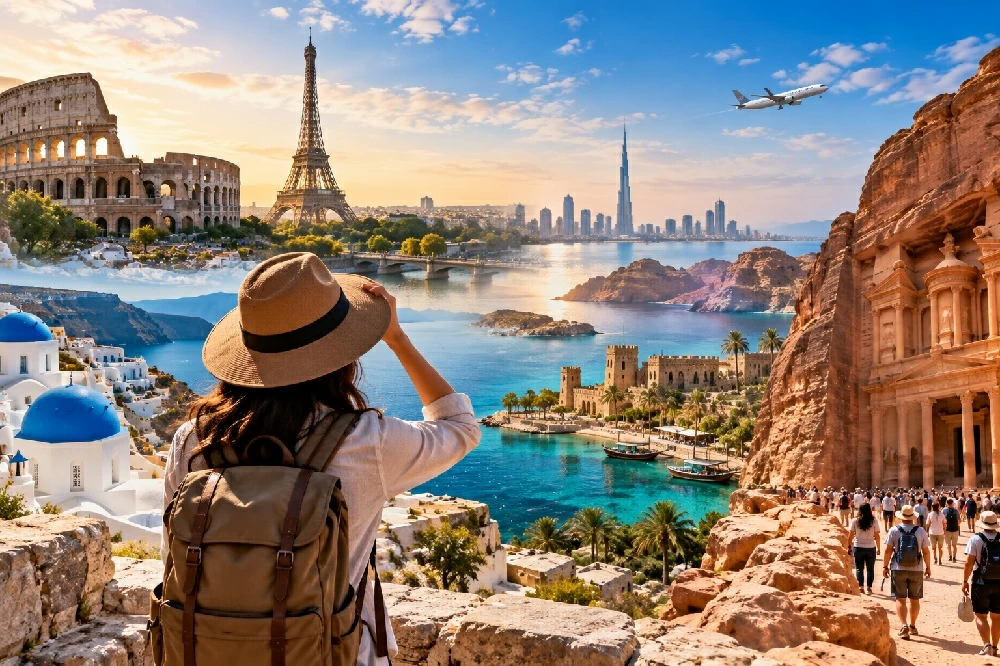
في الوقت الذي يحتفل فيه العالم باليوم العالمي للسياحة، تتجه الأنظار إلى الوجه الآخر لصناعة السفر؛ فبينما تمثِّل السياحة مصدرًا مهمًا للدخل وفرص العمل والتبادل الثقافي، يمكن لتدفق الزوار بأعداد كبيرة أن يضع المدن والوجهات الشهيرة أمام ضغوط متزايدة، تمتد من ازدحام الشوارع إلى استهلاك المياه وتراكم النفايات.
ويحلُّ اليوم العالمي للسياحة في 27 سبتمبر من كل عام، بعدما أقرته منظمة السياحة العالمية عام 1979، وبدئ الاحتفال به للمرة الأولى عام 1980. واختيار هذا التاريخ يرتبط بذكرى اعتماد النظام الأساسي للمنظمة في 27 سبتمبر 1970.
ومع تزايد حركة السفر العالمية، برزت خلال السنوات الماضية قضية (السياحة المفرطة)؛ بوصفها أحد التحديات التي تواجه عددًا من المدن والوجهات، خصوصًا عندما تتجاوز أعداد الزائرين قدرة المكان على استيعابهم بصورة متوازنة، فتزداد الضغوط على البنية التحتية والموارد الطبيعية ووسائل النقل، إلى جانب انعكاسات اجتماعية وثقافية على حياة السكان.
مدن تحت ضغط الزوار
تناولت منظمة الأمم المتحدة للسياحة هذه الظاهرة في تقرير أصدرته عام 2018 بعنوان «السياحة المفرطة؟ فهم وإدارة نمو السياحة الحضرية بما يتجاوز التصورات»، وركّزت الدراسة على مواقف السكان تجاه النشاط السياحي في ثماني مدن أوروبية، هي أمستردام وبرشلونة وبرلين وكوبنهاغن ولشبونة وميونخ وسالزبورغ وتالين.
وقدم التقرير 11 استراتيجية تتضمن 68 إجراءً يمكن للوجهات الحضرية الاستفادة منها لفهم نمو أعداد السياح والتعامل معه، بما يساعد على تحقيق قدر أكبر من التوازن بين احتياجات السكان ومتطلبات القطاع السياحي.
وتشير المنظمة إلى أن التعامل مع نمو السياحة لا يرتبط بمجرد محاولة خفض أعداد الزوار، وإنما يتطلب إدارة أكثر استدامة للموارد والبنية التحتية وحركة التنقل، إلى جانب مراعاة الأبعاد الاجتماعية والثقافية التي قد تتأثر بازدياد كثافة النشاط السياحي.
وفي بعض المدن، يمكن أن يتحول نجاح الوجهة وشهرتها إلى مصدر ضغط على الحياة اليومية، مع ازدياد الازدحام والضوضاء وتدفق الزوار إلى المناطق السكنية والمواقع الأكثر شهرة، وهو ما قد ينعكس على نظرة بعض السكان إلى السياحة نفسها.
المياه والنفايات تتصاعد
ولا تتوقف القصة عند حدود الشوارع المزدحمة والساحات المكتظة؛ فالسياحة تستهلك كميات كبيرة من الموارد؛ بينها المياه والطاقة والأراضي والمواد، فيما يرتبط توسع النشاط السياحي كذلك بزيادة النفايات الصلبة ومياه الصرف وانبعاثات غازات الدفيئة، فضلًا عن الضغوط التي قد تتعرض لها الأنظمة البيئية والتنوع البيولوجي.
ويورد برنامج الأمم المتحدة للبيئة سيناريو تقديريًا قديمًا يفترض استمرار السياحة وفق نمط (العمل المعتاد)، ويشير إلى إمكانية ارتفاع استهلاك الطاقة بنسبة 154% بحلول عام 2050، مقابل زيادة قدرها 131% في انبعاثات غازات الدفيئة، و152% في استهلاك المياه، و251% في التخلص من النفايات الصلبة.
وهذه الأرقام ليست زيادات حدثت بالفعل، ولا تمثل توقعات جديدة اعتبارًا من عام 2026، بل هي تقديرات مشروطة وردت في صفحة للبرنامج حُدّثت عام 2018، ما يجعل قراءتها مرتبطة بالافتراضات التي بُني عليها ذلك السيناريو.
البتراء تواجه معادلة دقيقة
وتقدم مدينة البتراء الأثرية في الأردن مثالًا على التحدي الذي تواجهه المواقع ذات القيمة السياحية والتراثية العالية. فبحسب منظمة اليونسكو، تعرّض الموقع لضغوط مرتبطة بالنشاط السياحي مع نمو أعداد الزيارات منذ إدراجه على قائمة التراث العالمي، وتتركز بعض مظاهر الازدحام في نقاط محددة؛ من بينها (السيق) الذي يمثل المدخل الرئيسي للمدينة من الجهة الشرقية.
وتلفت المنظمة كذلك إلى احتياجات السكان والسياح من البنية التحتية، وتشدد على أهمية وجود إطار طويل الأمد لإدارة الموقع وتنميته بصورة مستدامة، بما يحميه من الأضرار المرتبطة بضغط الزوار، وفي الوقت نفسه يحافظ على العوائد الاقتصادية والاجتماعية التي توفرها السياحة للمنطقة.
وفي قرار صادر عن لجنة التراث العالمي عام 2025، أشير إلى تراجع حديث في أعداد الزوار، مع التأكيد في الوقت نفسه على ضرورة إدارة النمو السياحي وتحديد القدرة الاستيعابية للموقع، والتعامل مع ضغوط التنمية والكثافة العمرانية المحيطة به.
وبالتالي، فإن مثال البتراء لا يعني بالضرورة أنها تشهد حاليًا تدفقًا متزايدًا للزوار، بل يوضح الحاجة إلى إدارة النشاط السياحي على المدى الطويل، خصوصًا في المواقع التراثية التي يصعب تعويض أضرارها إذا تجاوزت حركة الزوار قدرتها على التحمل.
هل الحل تقليل السياح؟
لا ترى منظمة الأمم المتحدة للسياحة أن مواجهة السياحة المفرطة تعني بالضرورة إغلاق الأبواب أمام الزائرين أو تقليص أعدادهم بصورة مباشرة، بل تطرح مجموعة من الحلول التي تقوم على توزيع الحركة السياحية بصورة أكثر توازنًا.
ومن بين هذه الحلول توزيع الزيارات على أوقات مختلفة من العام، وتشجيع السياح على استكشاف مناطق جذب جديدة بدل التركز في المواقع الأشهر، إلى جانب تطوير البنية التحتية وإشراك المجتمعات المحلية والزوار في إدارة النشاط السياحي.
وبالنسبة للمسافر نفسه، يمكن أن يبدأ التغيير من توقيت الرحلة؛ فاختيار مواسم أقل ازدحامًا وتجنب فترات الذروة والعطلات التي يرتفع خلالها الطلب قد يمنح الزائر تجربة أكثر هدوءًا، وفي الوقت نفسه يخفف الضغط عن الوجهات الأكثر استقبالًا للسياح.
كما أن مقارنة أسعار الرحلات والإقامة بين أكثر من موعد قد تفتح أمام المسافر خيارات أقل تكلفة، وإن كانت الأسعار تختلف بطبيعة الحال بحسب الوجهة والموسم وشركات الطيران والفنادق.
سفر أهدأ وأثر أخف
وقد يكون اختيار أيام وسط الأسبوع بدل فترات الذروة خيارًا عمليًا للمسافر الذي يبحث عن تجربة أقل ازدحامًا، كما يمكن التوجه إلى مسارات ومواقع بديلة مجهزة لاستقبال الزوار، بدل التكدس في نقطة واحدة أصبحت رمزًا للوجهة السياحية.
وفي النهاية، لا تبدو المشكلة في السياحة ذاتها، بل في الطريقة التي تُدار بها عندما تتجاوز حركة الزوار قدرة المدن والمواقع على الاستيعاب. فالسائح يبحث عن تجربة جميلة، والسكان يريدون الحفاظ على مدنهم وحياتهم اليومية، والمواقع التراثية تحتاج إلى حماية طويلة الأمد.
وبين هذه المصالح جميعًا، تظهر معادلة السياحة المستدامة: كيف تستمر المدن في استقبال العالم، من دون أن تفقد هدوءها ومواردها وملامحها التي جعلت العالم يأتي إليها أصلًا؟
As the world celebrates World Tourism Day, attention turns to the other side of the travel industry; while tourism represents an important source of income, job opportunities, and cultural exchange, the influx of large numbers of visitors can place famous cities and destinations under increasing pressure, ranging from crowded streets to water consumption and waste accumulation.
World Tourism Day falls on September 27 each year, after being established by the World Tourism Organization in 1979, with the first celebration taking place in 1980. The choice of this date is linked to the anniversary of the adoption of the organization's statutes on September 27, 1970.
With the increase in global travel, the issue of (overtourism) has emerged in recent years as one of the challenges facing several cities and destinations, especially when the number of visitors exceeds the capacity of the place to accommodate them in a balanced manner, leading to increased pressure on infrastructure, natural resources, and transportation, alongside social and cultural impacts on the lives of residents.
Cities Under Visitor Pressure
The United Nations World Tourism Organization addressed this phenomenon in a report it issued in 2018 titled "Overtourism? Understanding and Managing Urban Tourism Growth Beyond Perceptions," focusing on residents' attitudes toward tourism activities in eight European cities: Amsterdam, Barcelona, Berlin, Copenhagen, Lisbon, Munich, Salzburg, and Tallinn.
The report presented 11 strategies that include 68 measures urban destinations can benefit from to understand and manage the growth of tourist numbers, helping to achieve greater balance between the needs of residents and the requirements of the tourism sector.
The organization indicates that managing tourism growth is not merely about trying to reduce visitor numbers, but requires more sustainable management of resources, infrastructure, and mobility, alongside consideration of the social and cultural dimensions that may be affected by the increased intensity of tourism activity.
In some cities, the success and fame of a destination can turn into a source of pressure on daily life, with increased congestion and noise, and the influx of visitors into residential areas and the most famous sites, which may reflect on some residents' perceptions of tourism itself.
Water and Waste on the Rise
The story does not stop at crowded streets and packed squares; tourism consumes large amounts of resources, including water, energy, land, and materials, while the expansion of tourism activities is also linked to an increase in solid waste, wastewater, and greenhouse gas emissions, in addition to the pressures that ecosystems and biodiversity may face.
The United Nations Environment Programme presents an old estimated scenario that assumes tourism continues in a (business as usual) pattern, indicating that energy consumption could rise by 154% by 2050, alongside a 131% increase in greenhouse gas emissions, a 152% increase in water consumption, and a 251% increase in solid waste disposal.
These figures are not increases that have actually occurred, nor do they represent new forecasts starting from 2026; rather, they are conditional estimates found on a page of the program updated in 2018, making their interpretation linked to the assumptions upon which that scenario was built.
Petra Faces a Delicate Equation
The ancient city of Petra in Jordan exemplifies the challenge faced by sites with high tourism and heritage value. According to UNESCO, the site has been under pressure related to tourism activity with the growth in visitor numbers since its inclusion on the World Heritage List, with some manifestations of congestion concentrated in specific points, including the Siq, which is the main entrance to the city from the east.
The organization also highlights the needs of residents and tourists for infrastructure, emphasizing the importance of having a long-term framework for managing and developing the site sustainably, protecting it from the damages associated with visitor pressure, while also preserving the economic and social returns that tourism provides to the area.
In a decision issued by the World Heritage Committee in 2025, a recent decline in visitor numbers was noted, while at the same time emphasizing the need to manage tourism growth and determine the site's carrying capacity, and to address the pressures of development and urban density surrounding it.
Thus, the example of Petra does not necessarily mean that it is currently experiencing an increasing influx of visitors, but rather illustrates the need for long-term management of tourism activity, especially in heritage sites where damages are difficult to compensate if visitor numbers exceed their carrying capacity.
Is the Solution to Reduce Tourists?
The United Nations World Tourism Organization does not see that addressing overtourism necessarily means closing the doors to visitors or directly reducing their numbers, but rather proposes a range of solutions based on distributing tourist activity more evenly.
Among these solutions are distributing visits across different times of the year, encouraging tourists to explore new attractions instead of concentrating on the most famous sites, alongside developing infrastructure and involving local communities and visitors in managing tourism activity.
For the traveler themselves, change can begin with the timing of the trip; choosing less crowded seasons and avoiding peak periods and holidays when demand is high can provide visitors with a quieter experience while also alleviating pressure on the most tourist-heavy destinations.
Additionally, comparing prices for trips and accommodations across multiple dates may open up less expensive options for travelers, although prices naturally vary depending on the destination, season, airlines, and hotels.
Quieter Travel and Lighter Impact
Choosing midweek days instead of peak periods may be a practical option for travelers seeking a less crowded experience, and there can be a shift toward alternative routes and sites equipped to receive visitors, instead of crowding at a single point that has become a symbol of the tourist destination.
Ultimately, the problem does not lie in tourism itself, but in how it is managed when visitor numbers exceed the capacity of cities and sites to accommodate them. Tourists seek a beautiful experience, residents want to preserve their cities and daily lives, and heritage sites need long-term protection.
Amid all these interests, the equation of sustainable tourism emerges: how can cities continue to welcome the world without losing their tranquility, resources, and the characteristics that originally drew the world to them?