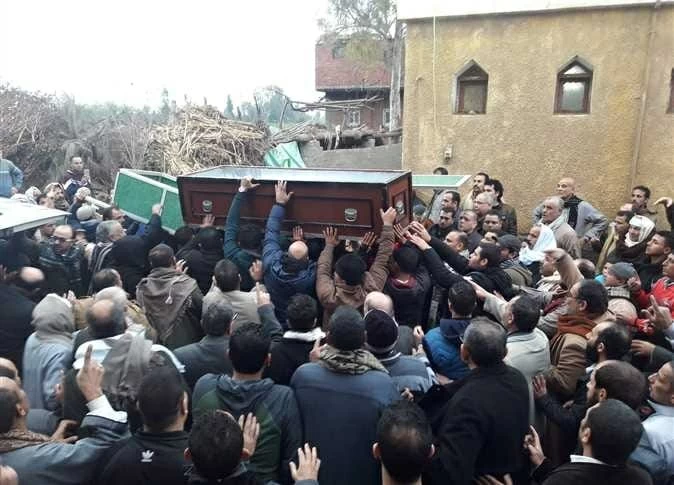
في واقعة أثارت جدلاً واسعاً في محافظة الغربية المصرية، توقفت إجراءات دفن سيدة بقرية كفر المنصورة التابعة لمركز طنطا، بعد أداء صلاة الجنازة عليها، قبل أن تتدخل الجهات المختصة لإعادة فحص الجثمان وإحالته إلى جهات التحقيق، على خلفية ظهور علامات وصفتها مديرية الصحة بأنها غير طبيعية.
وبحسب ما جرى تداوله في البداية عبر منصات السوشيال ميديا، فإن السيدة، المعروفة بين أسرتها باسم «أم عماد» وتبلغ من العمر أواخر العقد السادس، توفيت أمس الجمعة، قبل أن تبدأ إجراءات تجهيز جثمانها تمهيداً لدفنه.
ماذا حدث بعد صلاة الجنازة؟
وفقاً للرواية التي تداولها أهالي القرية وأسرة المتوفاة، انتقلت طبيبة من الوحدة الصحية بكفر المنصورة لمعاينة الجثمان، قبل أن تبدأ الأسرة إجراءات الغسل والتكفين، ثم نقل الجثمان إلى أحد مساجد القرية لأداء صلاة الجنازة.
لكن عقب انتهاء الصلاة، وقبل نقل الجثمان إلى المقابر، توقفت إجراءات الدفن، وجرى التعامل مع الحالة باعتبارها وفاة تستدعي مزيداً من الفحص، ليعاد الجثمان إلى منزل الأسرة، وسط حالة من الاستغراب بين أفراد العائلة والمشيعين.
وأثارت الواقعة تساؤلات حول سبب وقف الدفن بعد الانتهاء من صلاة الجنازة، خاصة مع تداول روايات أولية أشارت إلى أن المعاينة الأولى للوفاة لم تكشف عن شبهة تستدعي وقف إجراءات الدفن.
الصحة بالغربية توضح حقيقة الواقعة
من جانبها، كشفت وكيل وزارة الصحة بالغربية، الدكتورة رشا خضر، تفاصيل الواقعة، نافية صحة ما جرى تداوله عبر مواقع التواصل الاجتماعي بشأن إبلاغ أسرة السيدة بأن الوفاة طبيعية والسماح لها باستكمال إجراءات الغسل والتكفين.
وقالت، إن الحالة جرى مناظرتها بواسطة طبيب مكتب صحة الوحدة الصحية بكفر المنصورة، موضحة أن الطبيبة التي شاركت في معاينة الحالة مدربة على مناظرة حالات الوفاة.
وأوضحت أن الفحص الظاهري للجثمان أظهر علامات استدعت التعامل مع الوفاة باعتبارها غير طبيعية، من بينها وجود زرقة في منطقة الرقبة والصدر، وهو ما استوجب عدم التعامل معها باعتبارها وفاة طبيعية قبل استكمال الإجراءات القانونية والطبية اللازمة.
تضارب في روايات أسرة المتوفاة
وأشارت وكيل وزارة الصحة بالغربية إلى وجود تضارب في أقوال أفراد من أسرة المتوفاة بشأن سبب ظهور تلك العلامات.
وبحسب ما نقلته عن أقوال الأسرة، ذكر أحد أفرادها أن العلامات ظهرت نتيجة سقوط السيدة في الحمام، خاصة أنها كانت تعاني من مرض «شلل رعاش»، بينما أفاد شخص آخر من الأسرة بأنها سقطت من فوق خشبة الغسل أثناء تجهيز الجثمان.
وأكدت خضر أن وجود علامات وفاة غير طبيعية أو حدوث وفاة مفاجئة لسبب غير معلوم يمنح طبيب مكتب الصحة الحق في إحالة الحالة إلى النيابة العامة، وفقاً للتعليمات المنظمة للتعامل مع حالات الوفاة الصادرة عن قطاع الطب الوقائي بوزارة الصحة.
إحالة الواقعة إلى النيابة العامة
وبناءً على نتائج المعاينة الظاهرية، جرى إعداد تقرير بشأن الحالة وإحالتها إلى النيابة العامة، لاتخاذ ما يلزم من إجراءات للتحقق من أسباب الوفاة وملابساتها.
كما بدأت النيابة ومباحث مركز طنطا إجراءات الفحص والتحري بالتنسيق مع الجهات الصحية المختصة، بهدف الوصول إلى السبب الحقيقي للوفاة، وتحديد ما إذا كانت العلامات التي ظهرت على الجثمان مرتبطة بظروف الوفاة أو لها تفسير آخر.
الصحة تنفي السماح بالغسل والتكفين
وشددت وكيلة وزارة الصحة بالغربية على أن ما تم تداوله عبر مواقع التواصل الاجتماعي بشأن إبلاغ أسرة المتوفاة بأن الوفاة طبيعية والسماح لهم بالسير في إجراءات الغسل والتكفين «عارٍ تماماً من الصحة».
وأكدت أن الطبيبة لم تبلغ أسرة السيدة بالسير في إجراءات الغسل والتكفين، موضحة أن ظهور علامات غير طبيعية على الجثمان دفع إلى اتخاذ الإجراءات القانونية وإحالة الحالة إلى النيابة العامة.
ولا تزال الجهات المختصة تواصل فحص الواقعة، فيما ينتظر أهالي القرية وأسرة المتوفاة نتائج التحقيقات والإجراءات الطبية والقانونية، التي ستحدد بشكل نهائي أسباب الوفاة وملابساتها.
In an incident that sparked widespread controversy in the Gharbia Governorate of Egypt, the burial procedures for a woman in the village of Kafr Al-Mansoura, part of the Tanta Center, were halted after the funeral prayer was performed for her. This occurred before the relevant authorities intervened to re-examine the body and refer it to investigative bodies, following the emergence of signs described by the Health Directorate as abnormal.
According to what was initially circulated on social media platforms, the woman, known among her family as "Umm Imad" and in her late sixties, passed away last Friday, before preparations for her burial began.
What happened after the funeral prayer?
According to the account shared by the villagers and the deceased's family, a doctor from the health unit in Kafr Al-Mansoura came to examine the body before the family began the washing and shrouding procedures, then the body was transported to one of the village mosques for the funeral prayer.
However, after the prayer ended, and before the body was taken to the graves, the burial procedures were halted, and the case was treated as a death requiring further examination, leading to the body being returned to the family home, amid a state of bewilderment among family members and mourners.
The incident raised questions about why the burial was stopped after the funeral prayer, especially with initial reports suggesting that the first examination of the death did not reveal any suspicion that would warrant halting the burial procedures.
The Health Directorate in Gharbia clarifies the incident
For her part, Dr. Rasha Khidr, the Undersecretary of the Health Directorate in Gharbia, revealed the details of the incident, denying the accuracy of what was circulated on social media regarding the family being informed that the death was natural and allowing them to proceed with the washing and shrouding procedures.
She stated that the case was examined by a doctor from the health office of the Kafr Al-Mansoura health unit, clarifying that the doctor who participated in the examination was trained to assess cases of death.
She explained that the external examination of the body revealed signs that necessitated treating the death as unnatural, including the presence of bruising in the neck and chest areas, which required not treating it as a natural death before completing the necessary legal and medical procedures.
Contradictions in the deceased's family's accounts
The Undersecretary of the Health Directorate in Gharbia pointed out that there were contradictions in the statements of family members regarding the cause of the appearance of these signs.
According to what she relayed from the family's statements, one member mentioned that the signs appeared as a result of the woman falling in the bathroom, especially since she suffered from Parkinson's disease, while another family member stated that she fell from the washing board while preparing the body.
Khidr confirmed that the presence of signs of unnatural death or a sudden death for an unknown reason grants the health office doctor the right to refer the case to the public prosecutor, in accordance with the regulations governing the handling of death cases issued by the Preventive Medicine Sector of the Ministry of Health.
Referral of the incident to the public prosecutor
Based on the results of the external examination, a report was prepared regarding the case and referred to the public prosecutor to take the necessary actions to verify the causes and circumstances of the death.
The prosecution and the Tanta Center investigations began procedures for examination and inquiry in coordination with the relevant health authorities, aiming to reach the true cause of death and determine whether the signs that appeared on the body were related to the circumstances of the death or had another explanation.
The health authorities deny allowing washing and shrouding
Dr. Khidr emphasized that what was circulated on social media regarding the family being informed that the death was natural and allowing them to proceed with washing and shrouding procedures is "completely untrue."
She confirmed that the doctor did not inform the family to proceed with the washing and shrouding procedures, explaining that the appearance of abnormal signs on the body prompted the legal procedures to be taken and the case to be referred to the public prosecutor.
The relevant authorities continue to investigate the incident, while the villagers and the deceased's family await the results of the investigations and the medical and legal procedures that will ultimately determine the causes and circumstances of the death.