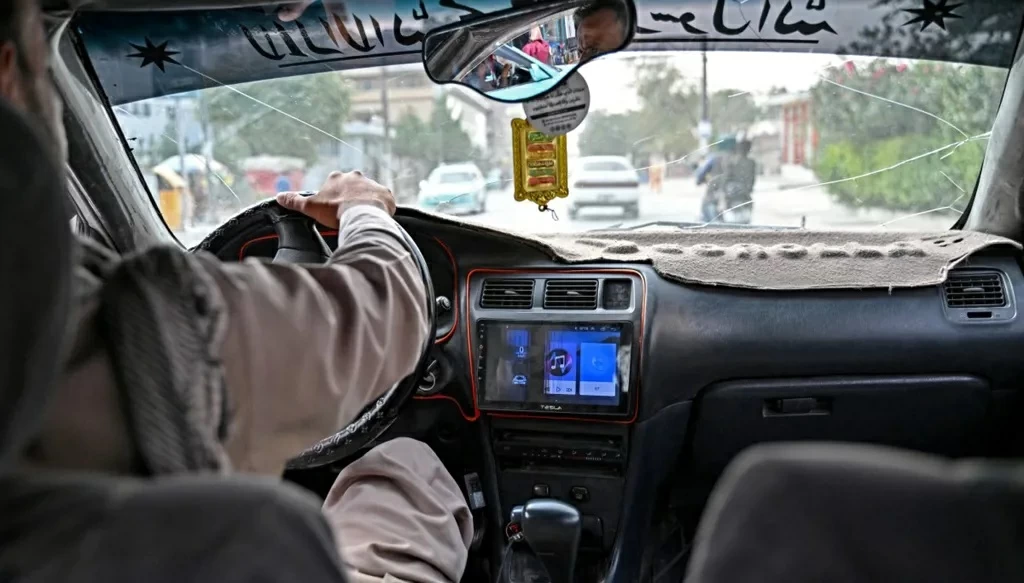
في شوارع كابول التي غابت عنها الموسيقى منذ سنوات، يخوض سائقو سيارات الأجرة معركة يومية مليئة بالمخاطر لاستعادة جزء من هويتهم الثقافية. لم تعد المسألة مجرد رغبة في الاستماع إلى أغنية شعبية، بل تحولت إلى مناورة مكشوفة ضد دوريات «شرطة الآداب» التابعة لوزارة الأمر بالمعروف والنهي عن المنكر.
تتكرر المشاهد ذاتها يومياً عند كل حاجز أمني، حيث ترتفع الأيدي بسرعة لخفض مستوى الصوت أو نزع وحدات التخزين الرقمية. يقول السائق الشاب روئين: «بمجرد أن نلمح نقطة التفتيش، نطفئ الراديو فوراً». هذه الإستراتيجية البسيطة هي كل ما يملكه السائقون لتفادي العقوبات أو مصادرة أجهزتهم، وسط انتشار أمني يستهدف حتى من يرتدون سماعات الرأس في الصالات الرياضية أو المتنزهات.
لم تعد الملاحقة الأمنية تقتصر على الصوت الصادح من نوافذ المركبات، بل تطورت إلى تفتيش مباغت لبطاقات الذاكرة وشرائح الـ«USB». ووفق شهادات ميدانية، تعرض سائقون للإيقاف وأتلفت وحدات التخزين الخاصة بهم علناً بمجرد ضبط مقاطع غنائية عليها، بالتوازي مع حملات إقليمية تنفذها السلطات لمصادرة الآلات الموسيقية وإحراقها في الميادين.
وأمام غياب وسائل النقل العامة واختفاء دور السينما والمهرجانات، أصبحت مقاعد سيارات الأجرة المكان الأخير الذي يجتمع فيه الشبان الأفغان لالتقاط أنفاسهم. وعلى الرغم من حالة التوتر القائم والخوف الدائم من إيقاف السيارة، يرى السائقون أن الاستمرار في تشغيل الأغاني لم يعد مجرد تسلية، بل بات أسلوباً سلمياً للرفض والتأكيد على أن الفن الأفغاني عصيٌّ على المحو.
In the streets of Kabul, where music has been absent for years, taxi drivers are engaged in a daily battle filled with risks to reclaim a part of their cultural identity. The issue is no longer just a desire to listen to a popular song; it has turned into an open maneuver against the "morality police" patrols of the Ministry of Promotion of Virtue and Prevention of Vice.
The same scenes repeat daily at every security checkpoint, where hands quickly rise to lower the volume or remove digital storage units. Young driver Rouin says, "As soon as we spot the checkpoint, we immediately turn off the radio." This simple strategy is all that drivers have to avoid penalties or the confiscation of their devices, amidst a security presence that targets even those wearing headphones in gyms or parks.
The security pursuit is no longer limited to the loud sounds from vehicle windows; it has evolved into surprise inspections of memory cards and USB drives. According to field testimonies, drivers have been stopped and their storage units publicly destroyed as soon as musical clips were found on them, alongside regional campaigns carried out by authorities to confiscate musical instruments and burn them in public squares.
With the absence of public transportation and the disappearance of cinemas and festivals, the seats of taxis have become the last place where Afghan youth gather to catch their breath. Despite the ongoing tension and the constant fear of being stopped, drivers see that continuing to play songs is no longer just a pastime; it has become a peaceful method of resistance and a way to affirm that Afghan art is resistant to erasure.