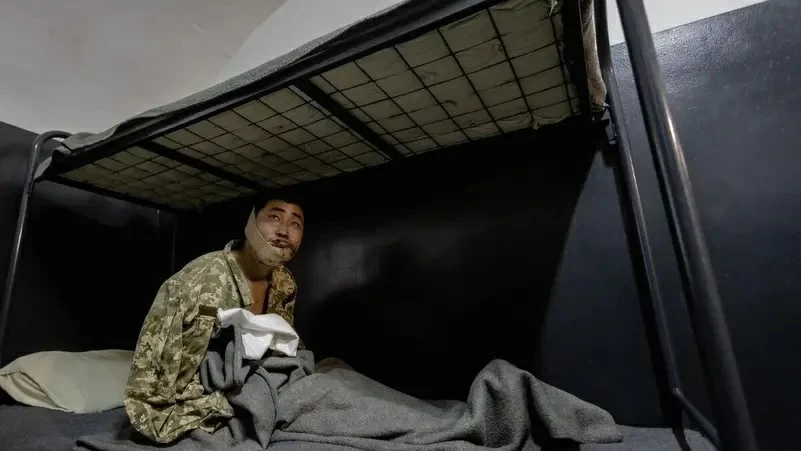
تحول ملف إنساني حساس جرى التكتم عليه لأشهر طويلة إلى سجال علني ومواجهة حادة بين الرئيس الأوكراني فولوديمير زيلينسكي ونظيره الكوري الجنوبي لي جاي ميونغ، عقب اتهام الأخير لكييف بخرق تفاهم سري وشديد الحساسية يقضي بإبقاء عملية تسليم أسرى حرب من كوريا الشمالية طي الكتمان.
بدأت الأزمة عندما كشف زيلينسكي خلال خطابه أمام الجمعية العامة للأمم المتحدة في نيويورك، عن إرسال بلاده جنديين كوريين شماليين سقطا في الأسر إلى كوريا الجنوبية. وأشار زيلينسكي بلهجة درامية إلى أن أسرهما حيين «لم يكن أمراً سهلاً»، مؤكداً أن أحدهما حاول الانتحار لحظة الإمساك به.
شكل هذا الإعلان صدمة لسيول التي فرضت تعتيماً إعلامياً صارماً على عملية النقل، حمايةً لأمنها القومي، وتفادياً لإشعال الفتيل السياسي مع بيونغ يانغ، إضافة إلى حماية سلامة عائلات الجنديين في الشمال.
ولم يتأخر الرد الكوري الجنوبي، إذ عبّر الرئيس لي جاي ميونغ عبر منصة «إكس» عن خيبة أمله الشديدة، مؤكداً أن التكتم كان اتفاقاً ملزماً لمنع تعقيد المشهد في شبه الجزيرة الكورية. وفي المقابل، دافع مكتب زيلينسكي عن الخطوة، مشيراً على لسان المساعد دميترو ليتفين إلى أن أوكرانيا «دولة منفتحة»، وكان من الغريب تسليم الأسرى «في الخفاء»، وأن الإفصاح اقتصر على حقيقة النقل دون خوض في التفاصيل التشغيلية.
وتعود جذور الملف إلى يناير 2025، عندما أسر الجيش الأوكراني الجنديين في منطقة «كورسك» الروسية بعد دفع بيونغ يانغ بفرقهما للقتال بجانب القوات الروسية. وعقب إبداء الأسيرين رغبتهما في عدم العودة إلى كوريا الشمالية، بدأت مفاوضات معقدة بين سيول وكييف لنقلهما، استناداً إلى مبادئ القانون الدولي والقانون الدستوري الكوري الجنوبي الذي يعتبر جميع الكوريين مواطنين تلتزم الدولة بحمايتهم. وهكذا أدت زلة لسان علنية إلى كشف عمليات دبلوماسية خفية، محولةً صفقة حماية الأسرى إلى أزمة ثقة وتوتر بين البلدين.
A sensitive humanitarian file that had been kept under wraps for many months has turned into a public dispute and a sharp confrontation between Ukrainian President Volodymyr Zelensky and his South Korean counterpart Lee Jae-myung, following the latter's accusation of Kyiv of violating a secret and highly sensitive understanding that required keeping the process of repatriating North Korean prisoners of war confidential.
The crisis began when Zelensky revealed during his speech at the United Nations General Assembly in New York that his country had sent two North Korean soldiers who had been captured to South Korea. Zelensky dramatically noted that capturing them alive "was not an easy task," emphasizing that one of them attempted suicide at the moment of capture.
This announcement was a shock to Seoul, which had imposed strict media blackout on the transfer process to protect its national security and avoid igniting political tensions with Pyongyang, in addition to safeguarding the safety of the soldiers' families in the North.
The South Korean response was swift, as President Lee Jae-myung expressed his deep disappointment via the platform "X," confirming that the secrecy was a binding agreement to prevent complicating the situation on the Korean Peninsula. In contrast, Zelensky's office defended the move, with assistant Dmytro Litvin stating that Ukraine is an "open country," and it was strange to hand over the prisoners "in secret," noting that the disclosure was limited to the fact of the transfer without delving into operational details.
The roots of the file date back to January 2025, when the Ukrainian army captured the two soldiers in the Russian "Kursk" region after Pyongyang sent their units to fight alongside Russian forces. After the captives expressed their desire not to return to North Korea, complex negotiations began between Seoul and Kyiv for their transfer, based on principles of international law and South Korean constitutional law, which considers all Koreans as citizens that the state is obligated to protect. Thus, a public slip of the tongue led to the revelation of covert diplomatic operations, turning the prisoner protection deal into a crisis of trust and tension between the two countries.