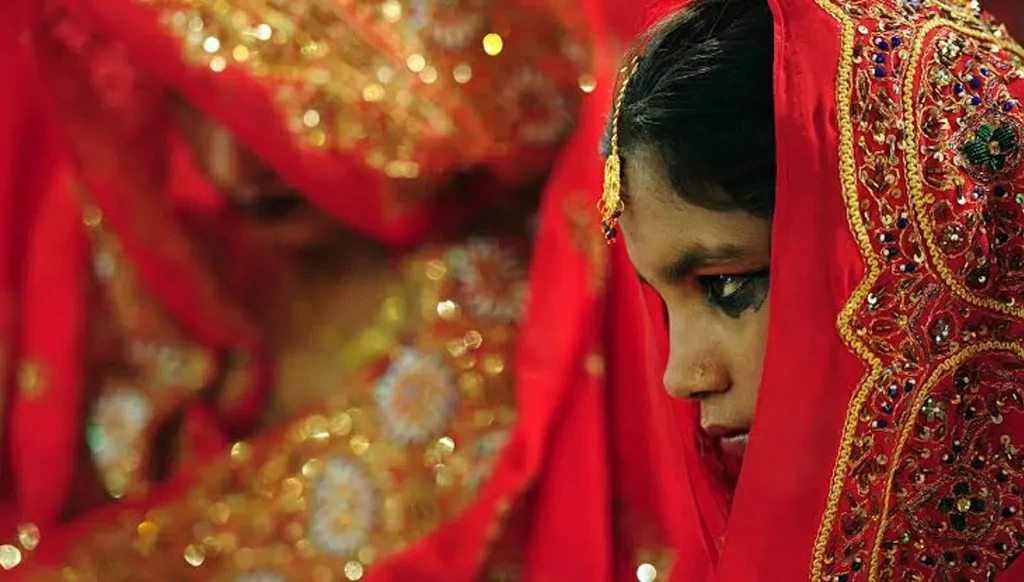
بموجب حبر أسود على ورقة عرفية، حُدد ثمن الطفلة ذات الثلاث سنوات بـ2.5 مليون روبية (نحو 6800 جنيه إسترليني). لم تكن هذه صفقة تجارية عابرة، بل اتفاق زواج أبرمه أب لبيع طفلته الصغيرة لعريس يكبرها بـ57 عاماً في مدينة «شامان» الحدودية بمقاطعة بلوشستان الباكستانية.
وقبل أن تُنقل الطفلة من خيمة عائلتها أو تُسلم الأموال، داهمت الشرطة المخطط. ويقبع الأب الآن خلف القضبان، بينما تستمر المطاردة الأمنية للإيقاع بالعريس الستيني الهارب الذي كادت تؤول إليه الطفلة تحت غطاء عرف قبلي يُدعى «والوار»، يبيح شراء الفتيات بالمال.
لكن المروّع في التحقيقات أن هذه الصفقة لم تُعقد في فراغ، بل تفوح منها رائحة دم حديثة. فقبل أسبوعين فقط من توقيع هذا الاتفاق، قُتلت الشقيقة الكبرى للطفلة الصغيرة.
والمفارقة الصادمة أن الشقيقة المغدورة كانت متزوجة من ابن العريس الستيني ذاته، وقد ألقت الشرطة القبض على الزوج للاشتباه في تنفيذ الجريمة. ورغم عدم إعلان السلطات حتى اللحظة عن ارتباط رسمي بين الجريمتين، إلا أن التوقيت يطرح تساؤلات مرعبة حول كون زواج الرضيعة تسوية عشائرية أو «دية» مقنعة تُدفع لإسكات الخلاف الناشب بين العائلتين.
ويكشف هذا التشابك المعقد بين جرائم الدم وزواج القاصرات عن هشاشة التشريعات أمام التقاليد القبلية. فرغم إقرار بلوشستان حظراً قانونياً حديثاً يمنع تزويج من هم دون الثامنة عشرة، لا تزال سطوة الأعراف المحلية والفقر المدقع تفرض كلمتها، محولة مصائر الأطفال إلى مجرد أرقام في صفقات عائلية لا تعترف بالقانون.
Under a black ink on a customary paper, the price of the three-year-old girl was set at 2.5 million rupees (about £6,800). This was not a fleeting commercial deal, but a marriage agreement made by a father to sell his little daughter to a groom who is 57 years older than her in the border town of "Chaman" in Pakistan's Balochistan province.
Before the girl could be taken from her family's tent or the money handed over, the police raided the scheme. The father now sits behind bars, while the security pursuit continues to catch the fleeing sixty-year-old groom to whom the girl was nearly to be given under the cover of a tribal custom called "Walwar," which permits the purchase of girls with money.
However, the horrifying aspect of the investigations is that this deal did not occur in a vacuum; it carries the scent of recent blood. Just two weeks before this agreement was signed, the older sister of the little girl was murdered.
The shocking irony is that the murdered sister was married to the very son of the sixty-year-old groom, and the police have arrested the husband on suspicion of committing the crime. Although the authorities have not yet announced any official connection between the two crimes, the timing raises terrifying questions about whether the marriage of the infant is a tribal settlement or a concealed "blood money" paid to silence the ongoing dispute between the two families.
This complex intertwining of blood crimes and child marriages reveals the fragility of legislation in the face of tribal traditions. Despite Balochistan's recent legal ban on marrying those under eighteen, the power of local customs and extreme poverty continues to dictate terms, turning the fates of children into mere numbers in family deals that do not recognize the law.