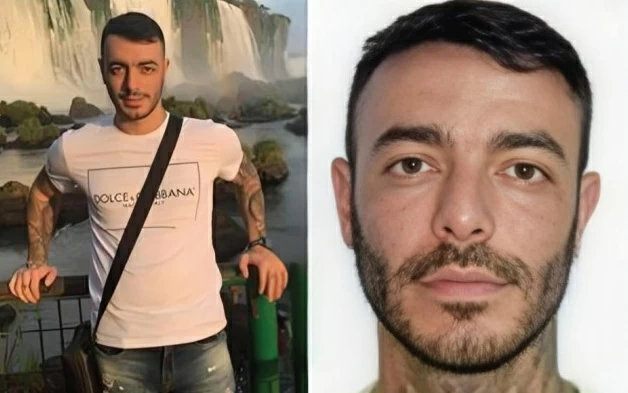
أمام قاضٍ فيدرالي في ولاية فرجينيا، أسقط محامو الدفاع كلمة «بريء» من قاموسهم تماماً. وبدلاً من تبرير التهم، رموا حجة مجنونة على طاولة الادعاء الأمريكي: «نعم، موكلنا إمبراطور مخدرات دولي، لكنه لم يبع غراماً واحداً داخل حدودكم.. فلا شأن لكم به!».
هذه الإستراتيجية الصادمة فُجرت في محاكمة الأوروغوياني سيباستيان مارست، أحد أشرس زعماء شبكات الكوكايين في أمريكا الجنوبية. حين قرر محامو الدفاع ضرب «السيادة الأمريكية» في مقتل: سيباستيان مارست أدار إمبراطوريته في أمريكا الجنوبية، وغسل أمواله في بنوك أوروبا.. فبأي حق قانوني تسحبه واشنطن إلى محاكمها؟
«خوادم فرجينيا».. الفخ الرقمي الذي أسقط «الإمبراطور»
إذا كان سيباستيان مارست قد «تجنب بعناية» أي نشاط داخل أمريكا، فكيف انتهى به المطاف مقيداً في فرجينيا بعد اعتقاله في بوليفيا؟
السر يكمن في البنية التحتية للنظام المالي العالمي. فالنيابة الأمريكية لم تمسكه بتهريب الكوكايين، بل اصطادته عبر «تحويل بنكي» بين مصرفين خارج أمريكا. والجريمة، هي أن هذا التحويل العابر للقارات مرّ لأجزاء من الثانية عبر خوادم رقمية تقع في ولاية فرجينيا، وخضع لمراجعة روتينية من نظام الامتثال التابع لـ«بنك أوف أمريكا». هذه اللحظة الرقمية كانت كافية لواشنطن لفرض ولايتها القضائية الكاملة عليه بتهم غسل الأموال و«الإرهاب المرتبط بالمخدرات».
لكن المعركة داخل المحكمة لم تتوقف عند الأموال. فمحامو سيباستيان مارست فجروا قنبلة أخرى للتشكيك في نزاهة المحاكمة، إذ اعترف أحد عملاء إدارة مكافحة المخدرات الأمريكية (DEA) تحت القسم، بأنه تعمد إيقاف أجهزة التسجيل خلال بعض جلسات الاستجواب بعد وصول سيباستيان مارست إلى فرجينيا. وكان الهدف حينها هو ممارسة ضغوط خفية لإجباره على خيانة شبكته والتحول إلى «شاهد ملك» متعاون مع الحكومة، مع حرمانه من الاتصال بمحاميه في الوقت الحرج.
القضية الآن على مكتب القاضي، ولم تعد مجرد محاكمة لتاجر مخدرات، بل اختباراً مرعباً لحدود النفوذ الأمريكي. محامو سيباستيان مارست يجادلون بشراسة لإسقاط تهمة «الإرهاب»، مؤكدين أن أمريكا أدرجت العصابات التي تعامل معها موكلهم على قوائم الإرهاب بعد وقوع الجرائم وليس قبلها.
ويمكن القول إن قرار المحكمة المرتقب صدوره في نوفمبر لن يحدد مصير سيباستيان مارست فحسب، بل سيجيب على سؤال ترتعد منه المافيات العالمية: هل مجرد مرور أموالك القذرة عبر «سيرفر أمريكي» يمنح واشنطن الحق في سحبك من أي مكان في العالم ومحاكمتك؟
In front of a federal judge in Virginia, defense attorneys completely dropped the word "innocent" from their vocabulary. Instead of justifying the charges, they threw a crazy argument on the table of the U.S. prosecution: "Yes, our client is an international drug lord, but he hasn't sold a single gram within your borders... so you have no business with him!"
This shocking strategy was detonated in the trial of Uruguayan Sebastián Marset, one of the fiercest cocaine network leaders in South America. When the defense attorneys decided to strike at "American sovereignty" at its core: Sebastián Marset ran his empire in South America and laundered his money in European banks... so by what legal right does Washington drag him into its courts?
"Virginia Servers"... the digital trap that brought down the "emperor"
If Sebastián Marset had "carefully avoided" any activity within America, how did he end up handcuffed in Virginia after being arrested in Bolivia?
The secret lies in the infrastructure of the global financial system. The U.S. prosecution did not catch him for cocaine trafficking, but rather ensnared him through a "bank transfer" between two banks outside America. The crime is that this transcontinental transfer passed for mere fractions of a second through digital servers located in Virginia and was subjected to routine review by the compliance system of "Bank of America." This digital moment was enough for Washington to impose its full jurisdiction over him on charges of money laundering and "drug-related terrorism."
But the battle inside the courtroom did not stop at the money. Sebastián Marset's attorneys detonated another bomb to question the integrity of the trial, as one agent from the U.S. Drug Enforcement Administration (DEA) admitted under oath that he intentionally stopped the recording devices during some interrogation sessions after Sebastián Marset arrived in Virginia. The goal at that time was to exert covert pressure to force him to betray his network and turn into a "cooperating witness" with the government, while depriving him of contact with his attorney at a critical time.
The case is now on the judge's desk, and it is no longer just a trial for a drug dealer, but a terrifying test of the limits of American influence. Sebastián Marset's attorneys are fiercely arguing to dismiss the "terrorism" charge, asserting that America listed the gangs their client dealt with on terrorism lists after the crimes occurred, not before.
It can be said that the court's anticipated decision in November will not only determine Sebastián Marset's fate but will also answer a question that global mafias tremble at: Does merely passing your dirty money through an "American server" grant Washington the right to pull you from anywhere in the world and prosecute you?