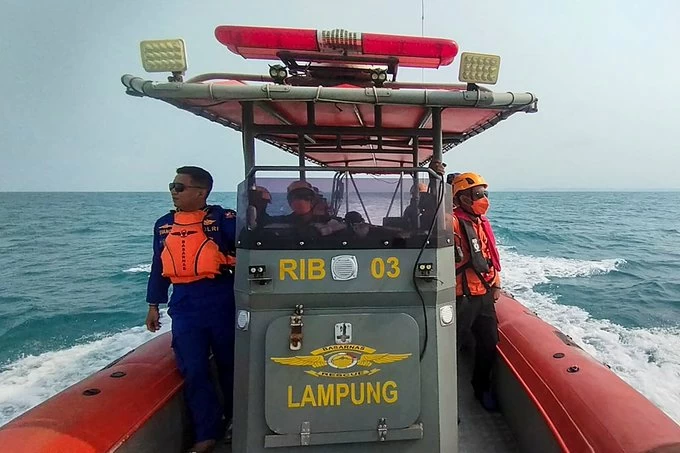
تواصل فرق البحث والإنقاذ الإندونيسية عملياتها للعثور على 8 أشخاص، بينهم 5 صحفيين، فقد الاتصال بقاربهم أثناء توجهه إلى جزيرة أناك كراكاتوا في مضيق سوندا لتغطية النشاط البركاني، وسط توسع نطاق البحث في المياه المحيطة بالبركان.
وكان القارب السريع «أرابادها 1» يقل 5 مصورين صحفيين واثنين من أفراد الطاقم ومرشدًا، عندما فقد الاتصال بعد مغادرته منطقة كاريتا الساحلية في إقليم بانتن، متجهًا إلى الجزيرة البركانية الواقعة بين جزيرتي جاوة وسومطرة.
وقالت السلطات الإندونيسية إن آخر رسالة من المجموعة أفادت بوصولها إلى المياه المحيطة بأناك كراكاتوا، قبل انقطاع الاتصال بالقارب. ومنذ ذلك الحين، تكثف فرق الإنقاذ عمليات التمشيط البحري والجوي في محاولة لتحديد موقع القارب أو الأشخاص الذين كانوا على متنه.
ومع دخول عمليات البحث يومها السادس، ركزت فرق الإنقاذ (الأحد) على المياه الواقعة جنوب أناك كراكاتوا، ودفعت بـ8 سفن لتمشيط قطاع تبلغ مساحته نحو 681 ميلًا بحريًا مربعًا، ضمن عملية بحث أوسع قسمت المنطقة إلى 6 قطاعات بمساحة إجمالية تصل إلى نحو 6010 أميال بحرية مربعة.
وخلال عمليات البحث، عثرت فرق الإنقاذ على عدد من الأشياء في البحر، بينها جركن وخوذة وسترتان، وذلك بعد العثور في وقت سابق على سترة نجاة، إلا أن السلطات لم تؤكد حتى الآن أن هذه الأشياء تعود إلى القارب المفقود أو الأشخاص الثمانية.
وتزامن اختفاء المجموعة مع موجة من النشاط البركاني لأناك كراكاتوا، الذي شهد ثورانًا استمر نحو 25 ساعة خلال عطلة نهاية الأسبوع، أعقبه استمرار النشاط بصورة متقطعة مع انبعاث الرماد والحمم ومواد بركانية متوهجة. وأبقت السلطات البركان عند ثاني أعلى مستوى للتحذير، مع فرض منطقة عازلة حول الفوهة النشطة وتحذير السكان والسياح والصيادين من الاقتراب منها.
ولم يقتصر تأثير الثوران على المناطق المحيطة بالبركان، إذ تسببت سحب الرماد البركاني في إغلاق عدد من المطارات الإندونيسية وتعطيل نحو 3 آلاف رحلة، وتأثر أكثر من 340 ألف مسافر، قبل إعادة فتح المطارات مع تحسن الظروف وتبدد الرماد من مسارات الطيران.
وتحمل منطقة كراكاتوا إرثًا بركانيًا كارثيًا؛ ففي عام 1883 أدى ثوران كراكاتوا إلى مقتل أكثر من 36 ألف شخص، وتسبب في موجات تسونامي وتداعيات مناخية امتدت إلى مناطق بعيدة. وبعد عقود، ظهرت أناك كراكاتوا، أو «ابن كراكاتوا»، من بقايا المنطقة البركانية نفسها، وواصلت نشاطها منذ ذلك الحين.
وفي ديسمبر 2018، تسبب ثوران أناك كراكاتوا في انهيار جزء من البركان داخل البحر، ما أدى إلى موجات تسونامي ضربت سواحل جاوة وسومطرة، وأسفرت عن مقتل أكثر من 400 شخص.
وتقع إندونيسيا ضمن «حلقة النار» في المحيط الهادئ، وهي منطقة نشطة زلزاليًا وبركانيًا تضم عددًا كبيرًا من البراكين النشطة، ما يجعل البلاد عرضة بصورة متكررة للزلازل والثورات البركانية والتسونامي.
وبينما تتواصل عمليات البحث في مضيق سوندا، لا تزال السلطات تركز جهودها على تحديد موقع القارب المفقود والعثور على الأشخاص الثمانية، وسط ترقب من عائلاتهم والمؤسسات الإعلامية التي يعمل بها الصحفيون الخمسة.
The Indonesian search and rescue teams continue their operations to find 8 people, including 5 journalists, who lost contact with their boat while heading to Anak Krakatoa Island in the Sunda Strait to cover volcanic activity, amidst an expansion of the search area in the waters surrounding the volcano.
The speedboat "Arabadha 1" was carrying 5 photojournalists, 2 crew members, and a guide when it lost contact after leaving the coastal area of Carita in Banten Province, heading towards the volcanic island located between the islands of Java and Sumatra.
The Indonesian authorities stated that the last message from the group reported their arrival in the waters surrounding Anak Krakatoa before contact with the boat was lost. Since then, rescue teams have intensified their maritime and aerial search operations in an attempt to locate the boat or the individuals on board.
As the search operations entered their sixth day, rescue teams focused (on Sunday) on the waters south of Anak Krakatoa, deploying 8 ships to scour an area of approximately 681 square nautical miles, as part of a broader search operation that divided the region into 6 sectors with a total area of about 6010 square nautical miles.
During the search operations, rescue teams found several items in the sea, including a jerrycan, a helmet, and two life jackets, following the earlier discovery of a life vest; however, authorities have not yet confirmed that these items belong to the missing boat or the eight individuals.
The disappearance of the group coincided with a wave of volcanic activity from Anak Krakatoa, which experienced an eruption lasting about 25 hours over the weekend, followed by intermittent activity with ash, lava, and glowing volcanic materials being emitted. Authorities have kept the volcano at the second-highest alert level, imposing a buffer zone around the active crater and warning residents, tourists, and fishermen to stay away.
The impact of the eruption was not limited to the areas surrounding the volcano, as clouds of volcanic ash caused the closure of several Indonesian airports and disrupted around 3,000 flights, affecting more than 340,000 travelers, before the airports reopened as conditions improved and the ash cleared from flight paths.
The Krakatoa region carries a catastrophic volcanic legacy; in 1883, the eruption of Krakatoa resulted in the deaths of more than 36,000 people and triggered tsunamis and climatic repercussions that extended to distant areas. Decades later, Anak Krakatoa, or "Child of Krakatoa," emerged from the remnants of the same volcanic area and has continued its activity since then.
In December 2018, the eruption of Anak Krakatoa caused part of the volcano to collapse into the sea, leading to tsunami waves that struck the coasts of Java and Sumatra, resulting in the deaths of more than 400 people.
Indonesia is located within the "Ring of Fire" in the Pacific Ocean, an area that is seismically and volcanically active and contains a large number of active volcanoes, making the country frequently susceptible to earthquakes, volcanic eruptions, and tsunamis.
As search operations continue in the Sunda Strait, authorities are still focusing their efforts on locating the missing boat and finding the eight individuals, amidst anticipation from their families and the media organizations for which the five journalists work.