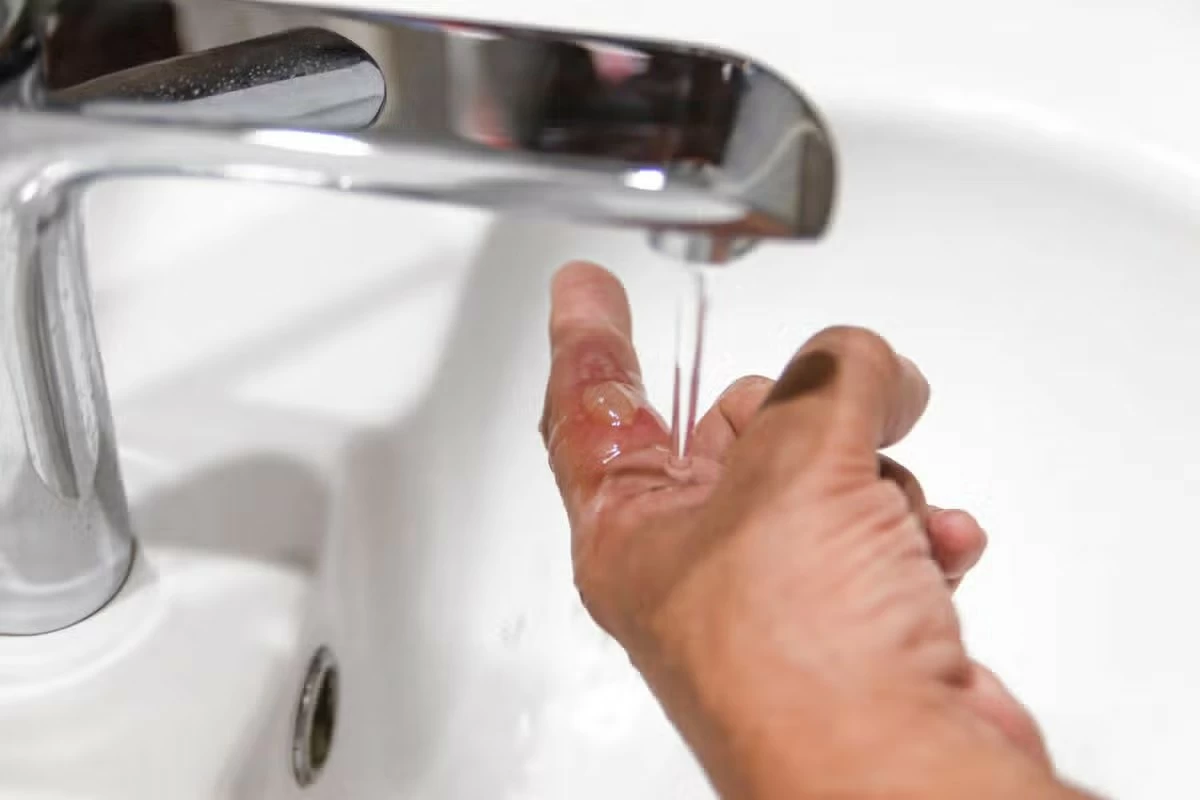
حذر الطبيب البريطاني الدكتور أمير خان من خطأ شائع يرتكبه كثيرون عند التعرض للحروق، يتعلق بطريقة تبريد المنطقة المصابة، مؤكداً أن استخدام الماء شديد البرودة أو المثلج ليس الخيار المناسب.
وبحسب صحيفة Mirror، أوضح الطبيب، وهو طبيب تابع لهيئة الخدمات الصحية الوطنية البريطانية، أن التعامل الصحيح مع الحرق يتطلب وضع المنطقة المصابة تحت ماء جارٍ بارد نسبياً أو فاتر لمدة 20 دقيقة.
وأكد أن الاعتقاد الشائع بأن الماء شديد البرودة هو أفضل وسيلة لسحب الحرارة من الحرق قد يبدو منطقياً، لكنه ليس الطريقة الموصى بها، وقال إن الماء شديد البرودة يمكن أن يؤدي إلى انقباض الأوعية الدموية وتقليل تدفق الدم إلى المنطقة المصابة، وهو ما قد يؤثر في عملية التعافي.
الماء الجاري.. لكن ليس شديد البرودة
وأوضح الطبيب أن تبريد الحرق بالماء لا يزال جزءاً أساسياً من الإسعافات الأولية، لكن درجة حرارة الماء مهمة، وقال إن المطلوب هو استخدام ماء بارد نسبياً أو فاتر، وليس ماءً ساخناً أو شديد البرودة.
وشدد على ضرورة استمرار تبريد المنطقة المصابة لمدة 20 دقيقة، موضحاً أن هذه المدة تساعد على تهدئة الحرق وتخفيف تأثير الحرارة على الجلد.
وأضاف، في إشارة إلى أن كثيرين قد يجدون صعوبة في الالتزام بهذه المدة، أن الأمر قد يبدو طويلاً، لكنه ضروري لتبريد المنطقة المصابة بشكل مناسب.
ماذا تقول هيئة الخدمات الصحية البريطانية؟
وتتوافق التوصية الأساسية بشأن تبريد الحروق مع إرشادات هيئة الخدمات الصحية الوطنية البريطانية، التي تنصح بوضع الحرق تحت ماء جارٍ بارد نسبياً لمدة 20 دقيقة في أقرب وقت ممكن بعد الإصابة، ويفضل أن يتم ذلك خلال الساعات الثلاث الأولى.
وفي حال عدم توفر مصدر للمياه الجارية، يمكن استخدام مياه معبأة باردة نسبياً أو قطعة قماش مبللة لتبريد المنطقة.
كما توصي الإرشادات بإزالة الملابس أو المجوهرات القريبة من المنطقة المصابة، لكن من دون محاولة نزع أي شيء ملتصق بالجلد المحروق.
وبعد تبريد الحرق، يمكن تغطيته بشكل فضفاض بغطاء مناسب مثل غلاف بلاستيكي نظيف، مع تجنب لفه بإحكام حول المنطقة المصابة.
متى يمكن علاج الحرق في المنزل؟
وتشير إرشادات هيئة الخدمات الصحية الوطنية البريطانية، إلى أن الحروق الصغيرة يمكن غالباً التعامل معها في المنزل، وقد تستغرق نحو أسبوعين حتى تلتئم.
لكن الحروق الكبيرة أو العميقة قد تحتاج إلى تقييم وعلاج في المستشفى، خصوصاً إذا كانت الإصابة شديدة أو في مناطق حساسة من الجسم.
وقد يشمل العلاج الطبي في الحالات الأكثر خطورة تنظيف الحرق وتغطيته، وإعطاء المسكنات أو المضادات الحيوية عند الحاجة، إضافة إلى السوائل الوريدية في بعض الحالات، أو اللجوء إلى الجراحة لإصلاح الجرح أو ترميم الجلد المتضرر.
British doctor Amir Khan warned of a common mistake made by many when dealing with burns, related to the method of cooling the affected area, emphasizing that using very cold or ice water is not the appropriate choice.
According to the Mirror newspaper, the doctor, who is affiliated with the National Health Service (NHS) in the UK, explained that the correct way to handle a burn requires placing the affected area under running cool or lukewarm water for 20 minutes.
He confirmed that the common belief that very cold water is the best way to draw heat from a burn may seem logical, but it is not the recommended method. He stated that very cold water can cause blood vessels to constrict and reduce blood flow to the affected area, which may affect the healing process.
Running water... but not very cold
The doctor clarified that cooling a burn with water is still an essential part of first aid, but the temperature of the water is important. He said that what is needed is to use relatively cool or lukewarm water, not hot or very cold water.
He emphasized the necessity of continuing to cool the affected area for 20 minutes, explaining that this duration helps soothe the burn and lessen the impact of heat on the skin.
He added, noting that many may find it difficult to adhere to this duration, that it may seem long, but it is essential for properly cooling the affected area.
What does the NHS say?
The primary recommendation regarding cooling burns aligns with the guidelines from the NHS, which advises placing the burn under running cool water for 20 minutes as soon as possible after the injury, preferably within the first three hours.
If a source of running water is not available, relatively cool bottled water or a damp cloth can be used to cool the area.
The guidelines also recommend removing clothing or jewelry near the affected area, but without attempting to remove anything stuck to the burned skin.
After cooling the burn, it can be loosely covered with an appropriate covering, such as a clean plastic wrap, while avoiding wrapping it tightly around the affected area.
When can a burn be treated at home?
The NHS guidelines indicate that minor burns can often be managed at home and may take about two weeks to heal.
However, larger or deeper burns may require assessment and treatment in a hospital, especially if the injury is severe or in sensitive areas of the body.
Medical treatment in more serious cases may include cleaning and covering the burn, administering pain relief or antibiotics as needed, as well as intravenous fluids in some cases, or resorting to surgery to repair the wound or reconstruct damaged skin.