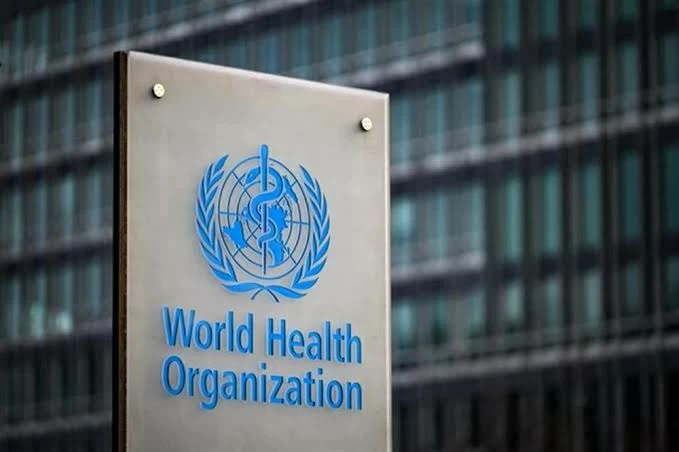
أعلن المسؤول الفني بمنظمة الصحة العالمية لوكا فونتانا، اليوم، أن النقص في الموظفين المدربين والشركاء التنفيذيين والتمويل يعرقل جهود توسيع نطاق مكافحة فايروس إيبولا في جمهورية الكونغو الديمقراطية، في الوقت الذي يزداد فيه المرض انتشاراً. وذلك بحسب ما نشره موقع «العربية. نت».
انتشار الفايروس
وأوضحت أن الفايروس انتشر خارج بؤرة بونيا، حيث رُصد لأول مرة، في ستة أقاليم أخرى؛ ما دفع السلطات إلى تبني إستراتيجية لامركزية من خلال إنشاء مراكز علاج أقرب إلى المجتمعات المتضررة حديثاً.
وقال لوكا فونتانا: «تم بالفعل توفير نحو 1,400 من الأسرة العلاجية في 59 مركزاً، وهو ما وصفه بأنه أحد أسرع عمليات التوسع في إنشاء المراكز التي شهدها خلال عمله بالمنظمة، بما في ذلك خلال تفشي فايروس إيبولا الذي اجتاح غرب أفريقيا في الفترة من 2014 إلى 2016».
جهد استثنائي
ونوه فونتانا بقوله: «رغم هذا الجهد الاستثنائي، تشير تقديراتنا إلى الحاجة إلى 1600 سرير إضافي، وعدد المنظمات الدولية القادرة على إدارة مراكز علاج فايروس إيبولا محدود، ويعود ذلك جزئياً إلى تداعيات تراجع التمويل دولياً».
حصيلة وفيات
ووفقاً لمنظمة الصحة العالمية، تجاوزت حصيلة وفيات السلالة بونديبوغيو من فايروس إيبولا في الكونغو 3,175 حالة، فضلاً عن أكثر من 6,000 إصابة، في الوقت الذي يواصل فيه أسوأ وباء تشهده الكونغو الانتشار في شمال شرق البلاد.
وتشير تقديرات المنظمة أيضاً إلى أن كل سرير علاجي يتطلب وجود ثلاثة موظفين، ما يعني أن السعة المخطط لها البالغة 3,000 سرير تتطلب وجود نحو 9,000 موظف.
ويتطلب ذلك توظيف وتدريب ما يقارب 5,000 عامل إضافي بقطاع الصحة.
The technical officer of the World Health Organization, Luca Fontana, announced today that the shortage of trained staff, executive partners, and funding is hindering efforts to scale up the fight against the Ebola virus in the Democratic Republic of the Congo, as the disease continues to spread. This was reported by the website "Al Arabiya.net".
Virus Spread
It was clarified that the virus has spread beyond the outbreak center in Bunya, where it was first detected, to six other regions; prompting authorities to adopt a decentralized strategy by establishing treatment centers closer to the recently affected communities.
Luca Fontana stated, "Approximately 1,400 treatment beds have already been provided in 59 centers, which he described as one of the fastest expansions in the establishment of centers that he has witnessed during his work with the organization, including during the Ebola outbreak that swept West Africa from 2014 to 2016."
Exceptional Effort
Fontana noted, "Despite this exceptional effort, our estimates indicate the need for an additional 1,600 beds, and the number of international organizations capable of managing Ebola treatment centers is limited, partly due to the repercussions of declining international funding."
Death Toll
According to the World Health Organization, the death toll from the Bundibugyo strain of the Ebola virus in Congo has exceeded 3,175 cases, in addition to more than 6,000 infections, as the worst epidemic the Congo has ever seen continues to spread in the northeastern part of the country.
The organization's estimates also indicate that each treatment bed requires three staff members, meaning that the planned capacity of 3,000 beds necessitates the presence of about 9,000 staff.
This requires the hiring and training of approximately 5,000 additional health workers.