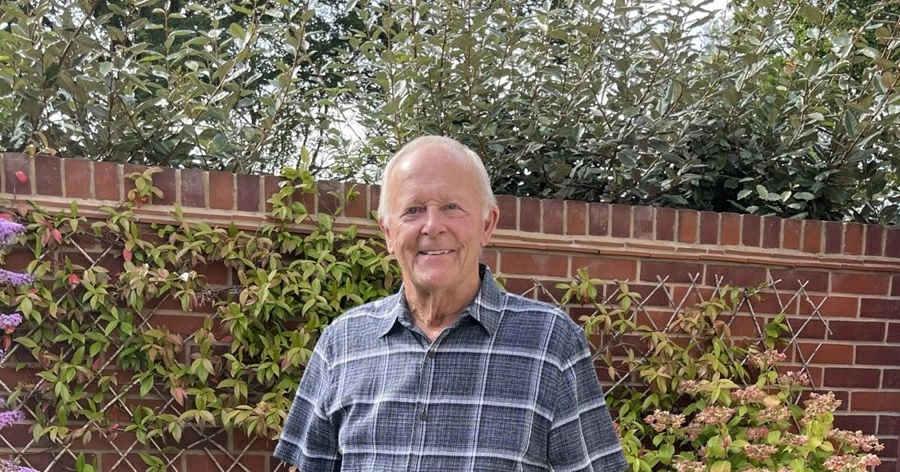
تحدى متقاعد بريطاني توقعات الأطباء الذين منحوه عامين فقط بعد تشخيص إصابته بنوع شديد العدوانية من سرطان الدم، ليعيش ثماني سنوات كاملة بفضل مشاركته في تجربة علاجية مبتكرة غيّرت مسار مرضه بشكل غير متوقع.
ففي عام 2018، اكتُشف إصابة كين ثيوبولد، البالغ اليوم 76 عامًا، بالورم النخاعي المتعدد عالي الخطورة خلال فحص دم روتيني؛ وهو سرطان يصيب خلايا البلازما في نخاع العظم ويؤثر على قدرتها على إنتاج الأجسام المضادة السليمة. ورغم الصدمة الأولى، قرر ثيوبولد الانضمام إلى تجربة سريرية تعتمد مزيجًا مكثفًا من أدوية السرطان، صُمّم خصيصًا للمرضى ذوي الخطورة العالية.
وخضع المريض في البداية لعلاج مكثف بخمسة أدوية، قبل الانتقال إلى مرحلة علاجية أقل كثافة. ومع استجابته للعلاج، استعاد ثيوبولد حياته الطبيعية، ويقضي اليوم وقته في السفر مع زوجته بريندا والاستمتاع بأحفادهما الخمسة.
الدراسة التي قادها معهد أبحاث السرطان في لندن وشملت 107 مرضى، اعتمدت مزيجًا دوائيًا متقدّمًا إلى جانب زراعة الخلايا الجذعية؛ وفق جدول علاجي جديد يبدأ بمرحلة مكثفة ثم يستمر لفترة طويلة طالما استمرت الاستجابة. وأظهرت النتائج المنشورة في مجلة Lancet Oncology أن 70% من المرضى ظلوا على قيد الحياة بعد ست سنوات، مقارنة بـ40% فقط ممن تلقوا العلاج التقليدي، فيما بقي 54% منهم دون تقدم للمرض مقابل 18% في المجموعة الأخرى.
وأكد الباحثون أن تكييف العلاج وفق البيولوجيا الجزيئية لكل مريض أحدث تحولًا كبيرًا في النتائج، مشيرين إلى استخدام اختبار جيني متقدم لتحديد الحالات عالية الخطورة، رغم عدم توفره بشكل روتيني في المراكز الصحية حتى الآن.
ويُنظر إلى هذا النهج العلاجي المخصص باعتباره خطوة مهمة تمنح المرضى فرصة أفضل للسيطرة على المرض، وتفتح الباب أمام مستقبل علاجي أكثر دقة لسرطانات كانت تُعد حتى وقت قريب عصية على المواجهة.
A British retiree defied doctors' predictions who gave him only two years to live after being diagnosed with a highly aggressive form of blood cancer, living a full eight years thanks to his participation in an innovative treatment trial that unexpectedly changed the course of his disease.
In 2018, Ken Theobald, now 76 years old, was diagnosed with high-risk multiple myeloma during a routine blood test; a cancer that affects plasma cells in the bone marrow and impacts their ability to produce healthy antibodies. Despite the initial shock, Theobald decided to join a clinical trial that relied on an intensive combination of cancer drugs specifically designed for high-risk patients.
The patient initially underwent intensive treatment with five drugs, before moving on to a less intensive treatment phase. As he responded to the treatment, Theobald regained his normal life, spending his time traveling with his wife Brenda and enjoying their five grandchildren.
The study, led by the Institute of Cancer Research in London and involving 107 patients, utilized an advanced drug combination alongside stem cell transplantation; following a new treatment schedule that begins with an intensive phase and continues for a long period as long as the response persists. Results published in the Lancet Oncology showed that 70% of patients remained alive after six years, compared to only 40% of those who received conventional treatment, while 54% of them experienced no disease progression compared to 18% in the other group.
Researchers confirmed that tailoring treatment according to the molecular biology of each patient resulted in a significant shift in outcomes, noting the use of an advanced genetic test to identify high-risk cases, even though it is not yet routinely available in healthcare centers.
This personalized therapeutic approach is viewed as an important step that gives patients a better chance to manage the disease and opens the door to a more precise treatment future for cancers that were considered difficult to confront until recently.