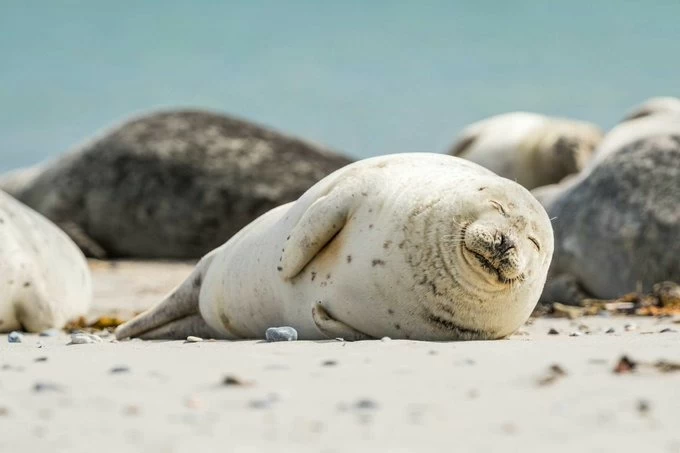
تستعد أستراليا لإجلاء جميع العاملين في محطة الأبحاث بجزيرة ماكواري، الواقعة في جنوب غرب المحيط الهادئ قرب القارة القطبية الجنوبية، وسط مخاوف من نفوق جماعي لآلاف من فيلة البحر بسبب تفشٍ محتمل لإنفلونزا الطيور من سلالة H5.
وأعلنت الشعبة الأسترالية للقارة القطبية الجنوبية سحب أفراد طاقم محطة الأبحاث من الجزيرة، في خطوة لا ترتبط بشكل أساسي بالخوف من إصابة العاملين بالفيروس، وإنما بالرغبة في حمايتهم من الآثار النفسية القاسية التي قد تنتج عن مشاهدة نفوق جماعي للحيوانات البرية على مدى فترة طويلة.
وقال شون سوليفان، وكيل وزارة البيئة الفيدرالية، إن قرار الإجلاء جاء بعد تقديرات خبراء تشير إلى احتمال وقوع حادثة نفوق واسع بين فيلة البحر خلال موسم التكاثر القادم، مع تزايد أعداد الحيوانات التي ستتجمع في الجزيرة خلال فصل الربيع في نصف الكرة الجنوبي.
وتعد صغار فيلة البحر الأكثر عرضة لخطر الفيروس، إذ أظهرت تفشيات سابقة لإنفلونزا الطيور بين هذه الحيوانات معدلات نفوق مرتفعة للغاية، وصلت في بعض الحالات إلى نحو 90% بين الصغار.
وتستقبل جزيرة ماكواري ما يصل إلى 100 ألف من فيلة البحر سنويًا، فيما تولد آلاف الصغار بالقرب من محطة الأبحاث خلال موسم التكاثر. ومع حلول الربيع في نصف الكرة الجنوبي، اعتبارًا من أواخر سبتمبر وحتى أواخر ديسمبر، يتوقع أن تشهد الجزيرة تجمعات ضخمة لهذه الحيوانات، الأمر الذي يزيد احتمالات انتقال الفيروس وانتشاره بينها.
وكان من المقرر أن يقضي 24 عالمًا وفنيًا وعاملًا في الجزيرة نحو عام كامل، ضمن بعثة بحثية بدأت في مايو الماضي، إلا أن برنامج البعثة سيتوقف مع تنفيذ قرار الإجلاء.
ومن المقرر أن تتولى سفينة الأبحاث والإمداد الأسترالية «RSV Nuyina» نقل العاملين وإمدادات أساسية من الجزيرة بين أواخر سبتمبر وأوائل أكتوبر، في عملية تهدف إلى إخلاء المحطة قبل وصول موسم التكاثر إلى ذروته.
ولا تخطط السلطات الأسترالية حاليًا لتنفيذ عمليات إجلاء مماثلة في المحطات الأخرى القريبة من القارة القطبية الجنوبية، بسبب عدم وجودها بالقرب من تجمعات حيوانية كبيرة معرضة للخطر نفسه.
كما لا تعتزم السلطات التدخل بشكل مباشر لاحتواء الفيروس بين فيلة البحر، إذ تجعل عزلة جزيرة ماكواري وظروفها البيئية القاسية أي محاولة للسيطرة على تفشي المرض أو علاج الحيوانات المصابة عملية بالغة الصعوبة، فضلًا عن المخاطر التي قد تترتب على التدخل في نظام بيئي شديد الحساسية.
وفي المقابل، تدرس السلطات وسائل لمراقبة الوضع وتقييم تطورات التفشي المحتمل، بما يسمح بتحديد الظروف التي يمكن معها إعادة الباحثين والعاملين إلى الجزيرة في مواسم لاحقة.
وتأتي المخاوف الحالية في إطار انتشار عالمي لإنفلونزا الطيور شديدة الإمراض بين الطيور البرية والدواجن، مع انتقال الفيروس في السنوات الأخيرة إلى عدد متزايد من الثدييات، ما أثار مخاوف العلماء من تأثيراته المحتملة على النظم البيئية للحياة البرية.
وتكتسب جزيرة ماكواري أهمية بيئية استثنائية، إذ تعد موطنًا لتجمعات كبيرة من الثدييات والطيور البحرية، من بينها فيلة البحر وطيور البطريق، كما تتميز بعزلة جغرافية جعلتها واحدة من المواقع المهمة لدراسة الحياة البرية في منطقة المحيط الجنوبي.
Australia is preparing to evacuate all personnel from the research station on Macquarie Island, located in the southwest Pacific near Antarctica, amid fears of a mass die-off of thousands of elephant seals due to a potential outbreak of avian influenza of the H5 strain.
The Australian Antarctic Division announced the withdrawal of research station crew members from the island, a move primarily motivated not by fears of the workers contracting the virus, but by the desire to protect them from the severe psychological effects that may arise from witnessing a prolonged mass die-off of wildlife.
Sean Sullivan, the federal environment department secretary, stated that the evacuation decision came after expert estimates indicated the likelihood of a widespread die-off among elephant seals during the upcoming breeding season, as the number of animals is expected to gather on the island during spring in the Southern Hemisphere.
Young elephant seals are the most vulnerable to the virus, as previous outbreaks of avian influenza among these animals have shown extremely high mortality rates, reaching around 90% in some cases among the young.
Macquarie Island receives up to 100,000 elephant seals annually, with thousands of pups born near the research station during the breeding season. As spring approaches in the Southern Hemisphere, from late September to late December, the island is expected to witness massive gatherings of these animals, increasing the chances of the virus spreading among them.
Twenty-four scientists, technicians, and workers were scheduled to spend nearly a year on the island as part of a research mission that began last May, but the mission program will be halted with the implementation of the evacuation decision.
The Australian research and supply vessel "RSV Nuyina" is set to transport personnel and essential supplies from the island between late September and early October, in an operation aimed at evacuating the station before the breeding season peaks.
The Australian authorities do not currently plan to carry out similar evacuation operations at other stations near Antarctica, due to their distance from large animal gatherings at risk of the same threat.
Authorities also do not intend to intervene directly to contain the virus among elephant seals, as the isolation of Macquarie Island and its harsh environmental conditions make any attempt to control the outbreak or treat infected animals extremely difficult, not to mention the risks that may arise from intervening in a highly sensitive ecosystem.
In contrast, authorities are considering ways to monitor the situation and assess the developments of the potential outbreak, which would allow for determining the conditions under which researchers and workers could return to the island in future seasons.
The current concerns come amid a global spread of highly pathogenic avian influenza among wild birds and poultry, with the virus having recently spread to an increasing number of mammals, raising scientists' fears about its potential impacts on wildlife ecosystems.
Macquarie Island holds exceptional environmental significance, as it is home to large populations of mammals and seabirds, including elephant seals and penguins, and its geographical isolation has made it one of the important sites for studying wildlife in the Southern Ocean region.