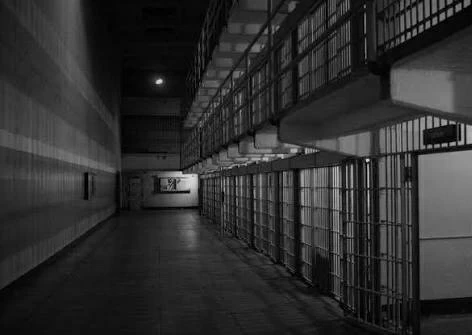
في ظل موجة مناخية حارقة تضرب المنطقة، تحولت الغرف المغلقة وأروقة الاحتجاز إلى ما يشبه «المصائد الحرارية»، بعدما كشفت تقارير حقوقية عن فاجعة إنسانية تمثلت في وفاة 20 سجيناً عربياً جراء الارتفاع القياسي لدرجات الحرارة وانعدام التهوية.
وأوضحت البيانات الصادرة عن الرابطة التونسية للدفاع عن حقوق الإنسان أن الظروف الجوية القاسية التي شهدتها تونس أخيراً تسببت في تدهور صحي مفاجئ وسريع بين الموقوفين، بعدما تحولت المساحات الضيقة إلى بيئة شديدة الخطورة على الحياة.
وسجلت الشهادات الميدانية الصادرة عن أطباء ومحامين أبعاد هذه الأزمة الحرارية:
- حصيلة الصدمة الحرارية: توثيق 20 حالة وفاة ناتجة عن الاختناق والمضاعفات الصحية المباشرة لارتفاع الحرارة، وسط فتح تحقيقات قضائية في 16 ملفاً منها للتثبت الطبي.
- اكتظاظ يحبس الأنفاس: وصلت نسب الإشغال في بعض السجون إلى 300%، مما ضاعف من انعدام الأكسجين ورفع درجة الحرارة داخل الغرف إلى مستويات قياسية.
وتضع هذه المأساة المناخية معايير السلامة والتهوية في أماكن الاحتجاز المزدحمة تحت المجهر، وسط دعوات لتخفيف الكثافة وتطوير البنية التحتية لتفادي الآثار القاتلة لموجات الحر الاستثنائية.
In the midst of a scorching heatwave hitting the region, closed rooms and detention corridors have turned into what resembles "thermal traps," after human rights reports revealed a humanitarian tragedy represented by the death of 20 Arab prisoners due to the record rise in temperatures and lack of ventilation.
The data issued by the Tunisian Association for the Defense of Human Rights indicated that the harsh weather conditions recently experienced in Tunisia caused a sudden and rapid health deterioration among detainees, as the cramped spaces turned into an extremely dangerous environment for life.
Field testimonies from doctors and lawyers recorded the dimensions of this heat crisis:
- Heat shock toll: Documentation of 20 deaths resulting from suffocation and direct health complications from the heat, amidst the opening of judicial investigations into 16 of these cases for medical verification.
- Suffocating overcrowding: Occupancy rates in some prisons reached 300%, which doubled the lack of oxygen and raised the temperature inside the rooms to record levels.
This climatic tragedy puts safety and ventilation standards in overcrowded detention places under scrutiny, amidst calls to reduce density and improve infrastructure to avoid the deadly effects of exceptional heatwaves.