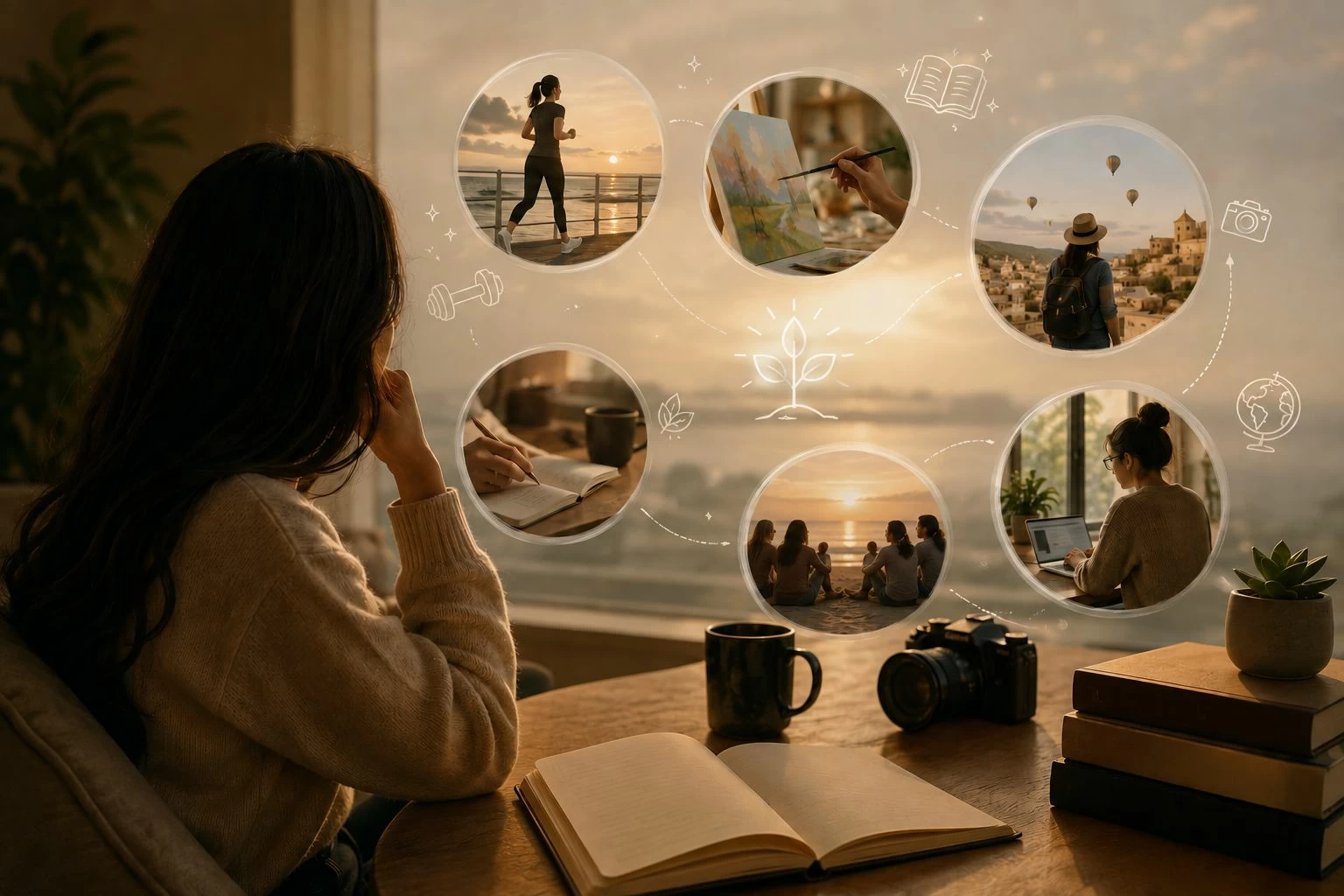
كشفت دراسة حديثة أن نظرة الأشخاص إلى العزوبية قد تؤثر في مدى استفادتهم من هذه المرحلة، إذ أظهرت النتائج أن من يرون فيها فرصة للنمو وتطوير الذات يكونون أكثر انفتاحًا على خوض تجارب وأنشطة جديدة.
وتتبعت الدراسة، المنشورة في دورية «Personality and Social Psychology Bulletin»، تجارب أشخاص عازبين من خلال سلسلة من ثلاثة أبحاث، ركزت على ما وصفه الباحثون بـ«إمكانات توسيع الذات في العزوبية».
ويقصد بهذا المفهوم اعتقاد الشخص بأن الحياة دون شريك عاطفي يمكن أن تتيح له فرصًا لتطوير اهتماماته وقدراته، واكتساب تجارب ووجهات نظر جديدة.
وأظهرت النتائج أن أصحاب هذه النظرة كانوا أكثر مشاركة في أنشطة تساعد على توسيع خبراتهم، مثل ممارسة الرياضة، وتعلم مهارات جديدة، وتجربة أنشطة وأماكن مختلفة.
رضا أكبر واستقلالية أقوى
ووجد الباحثون ارتباطًا بين الإيمان بإمكانات العزوبية للنمو وبين مستويات أعلى من الرضا عن العزوبية والحياة عمومًا، إضافة إلى شعور أقوى بالاستقلالية والكفاءة.
كما سجل أصحاب هذه النظرة مستويات أقل من الخوف من استمرار الحياة دون شريك، ما يشير إلى أن طريقة تفسير الشخص لمرحلة العزوبية قد تكون مرتبطة بتجربته النفسية خلالها.
العلاقات الاجتماعية لا تتوقف
ولم تعنِ الاستفادة من العزوبية بالضرورة الابتعاد عن الآخرين؛ إذ أظهرت النتائج أن نسبة كبيرة من المشاركين شاركوا أصدقاءهم وأفراد أسرهم في بعض الأنشطة والتجارب الجديدة.
وأكد الباحثون أن نتائج الدراسة لا تشير إلى أن العزوبية أفضل من الارتباط، وإنما تبرز إمكانية الاستفادة من هذه المرحلة في تنمية الذات وتوسيع الخبرات، بعيدًا عن الاعتقاد بأن النمو الشخصي والسعادة لا يتحققان إلا من خلال العلاقات العاطفية.
وأشار الباحثون كذلك إلى أن بعض النتائج ذات طبيعة ارتباطية، ولذلك لا يمكن الجزم بأن النظرة الإيجابية إلى العزوبية هي السبب المباشر في زيادة الرضا عن الحياة.
A recent study revealed that people's views on being single may affect how much they benefit from this phase, as the results showed that those who see it as an opportunity for growth and self-development are more open to engaging in new experiences and activities.
The study, published in the journal "Personality and Social Psychology Bulletin," tracked the experiences of single individuals through a series of three research studies, focusing on what the researchers described as "the potential for self-expansion in singleness."
This concept refers to the belief that life without a romantic partner can provide opportunities to develop interests and abilities, and to gain new experiences and perspectives.
The results showed that individuals with this perspective were more engaged in activities that help broaden their experiences, such as exercising, learning new skills, and trying different activities and places.
Greater Satisfaction and Stronger Independence
The researchers found a correlation between believing in the growth potential of being single and higher levels of satisfaction with being single and life in general, as well as a stronger sense of independence and competence.
Those with this perspective also reported lower levels of fear about continuing life without a partner, suggesting that how a person interprets the phase of being single may be linked to their psychological experience during it.
Social Relationships Do Not Stop
Benefiting from being single does not necessarily mean distancing oneself from others; the results showed that a large percentage of participants shared some activities and new experiences with their friends and family members.
The researchers emphasized that the results of the study do not suggest that being single is better than being in a relationship, but rather highlight the potential to benefit from this phase in personal development and broadening experiences, away from the belief that personal growth and happiness can only be achieved through romantic relationships.
The researchers also noted that some of the results are correlational in nature, and therefore it cannot be definitively stated that a positive view of being single is the direct cause of increased life satisfaction.