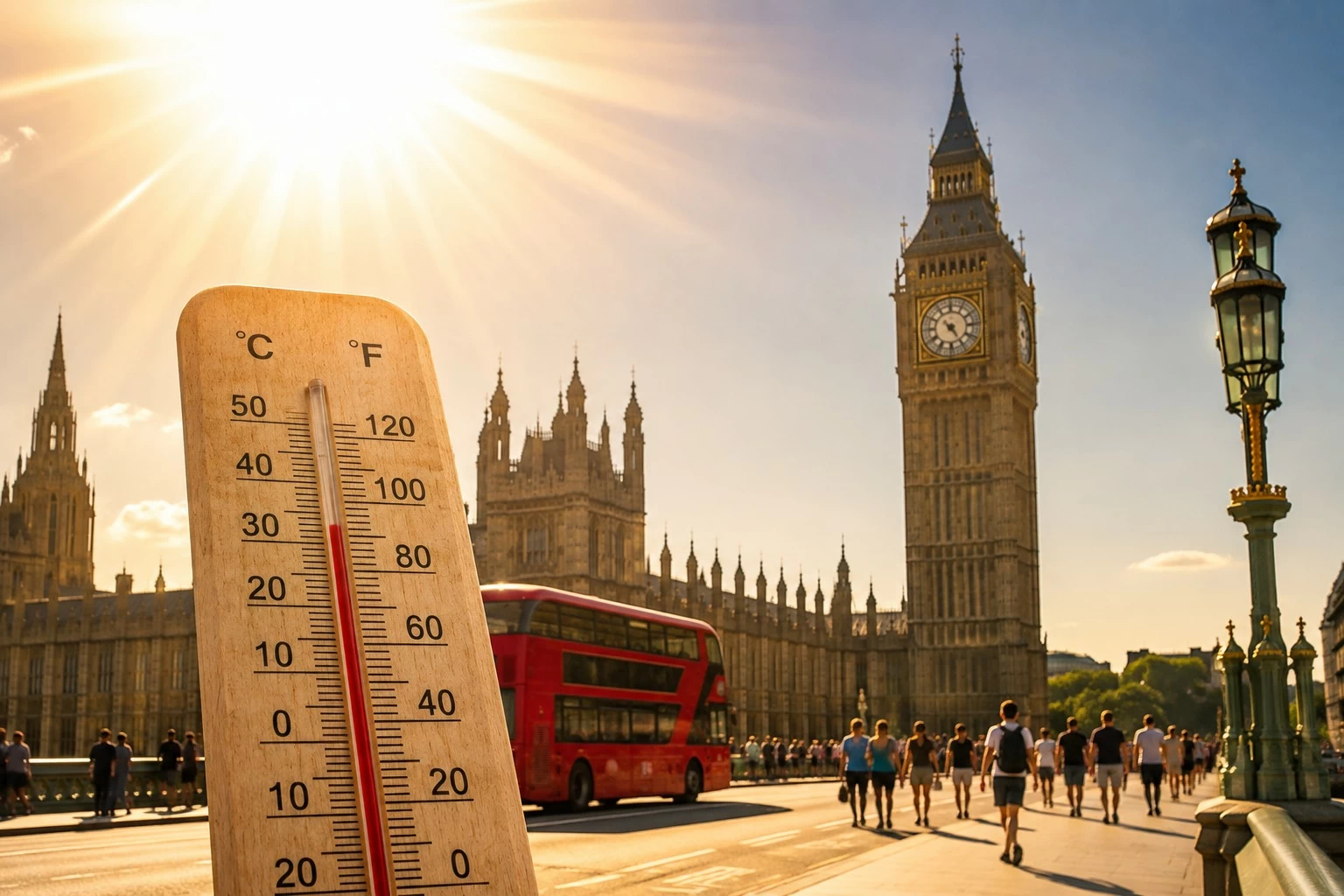
سجلت بريطانيا أكثر فصول الصيف حرارة على الإطلاق من حيث متوسط درجة الحرارة منذ بدء السجلات عام 1884، وفق بيانات أولية نشرتها هيئة الأرصاد الجوية البريطانية «Met Office» اليوم (الثلاثاء)، بعد صيف اتسم بارتفاع درجات الحرارة والجفاف.
وأوضحت الهيئة أن متوسط درجة الحرارة خلال صيف 2026 بلغ 16.5 درجة مئوية، متجاوزًا الرقم القياسي السابق البالغ 16.1 درجة والمسجل في صيف 2025، ليصبح صيف 2026 الأكثر حرارة على الإطلاق، وفق البيانات الأولية.
وشهدت البلاد درجات حرارة مرتفعة بصورة لافتة خلال الموسم، إذ بلغت الحرارة 38.1 درجة مئوية في حدائق كيو بلندن في 13 أغسطس، وهي خامس أعلى درجة حرارة مسجلة في تاريخ بريطانيا.
كما سجلت 54 محطة أرصاد جوية أرقامًا قياسية جديدة لأعلى درجات الحرارة اليومية على الإطلاق خلال هذا الصيف.
وعلى صعيد الأمطار، كان صيف 2026 جافًا بصورة ملحوظة في مناطق واسعة من بريطانيا، فيما سجلت بريطانيا ثالث أكثر شهور يوليو جفافًا على الإطلاق، بينما شهدت إنجلترا أكثر شهور يوليو جفافًا على الإطلاق.
وأفادت هيئة الأرصاد بأن صيف 2026 كان أيضًا سادس أكثر فصول الصيف سطوعًا للشمس على الإطلاق، مع تسجيل 621.9 ساعة من سطوع الشمس على مستوى بريطانيا.
وخلص تحليل سريع أجرته الهيئة إلى أن تغير المناخ الناجم عن النشاط البشري جعل احتمال حدوث صيف بهذه الحرارة أكثر بنحو 130 مرة، مشيرة إلى أن مثل هذا الصيف قد يحدث حاليًا مرة كل 9 سنوات تقريبًا، مقارنة باحتمال حدوثه مرة واحدة كل أكثر من ألف عام في مناخ غير متأثر بالانبعاثات البشرية.
وقدرت الهيئة فترة عودة صيف بهذه الدرجة من الحرارة في المناخ الطبيعي بنحو 1,148 عامًا، مع الإشارة إلى أن هذا التقدير يحمل قدرًا كبيرًا من عدم اليقين.
Britain has recorded its hottest summer ever in terms of average temperature since records began in 1884, according to preliminary data released by the UK Met Office today (Tuesday), following a summer characterized by high temperatures and drought.
The agency stated that the average temperature during the summer of 2026 reached 16.5 degrees Celsius, surpassing the previous record of 16.1 degrees set in the summer of 2025, making the summer of 2026 the hottest on record, according to the preliminary data.
The country experienced notably high temperatures during the season, with temperatures reaching 38.1 degrees Celsius in Kew Gardens, London, on August 13, marking the fifth highest temperature recorded in British history.
Additionally, 54 weather stations recorded new all-time high daily temperatures during this summer.
In terms of rainfall, the summer of 2026 was notably dry across large areas of Britain, with Britain experiencing its third driest July on record, while England saw its driest July ever.
The Met Office reported that the summer of 2026 was also the sixth sunniest summer on record, with a total of 621.9 hours of sunshine across Britain.
A quick analysis conducted by the agency concluded that climate change driven by human activity has made the likelihood of experiencing a summer this hot about 130 times more probable, noting that such a summer could currently occur approximately once every 9 years, compared to a likelihood of once every more than a thousand years in a climate unaffected by human emissions.
The agency estimated the return period for a summer of this temperature in a natural climate to be about 1,148 years, while indicating that this estimate carries a significant degree of uncertainty.