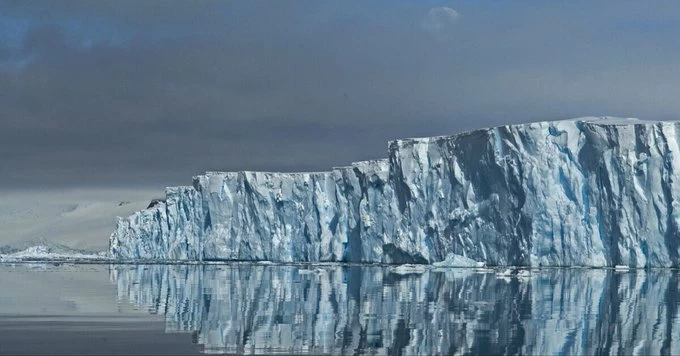
حذر علماء من استمرار فقدان نهر ثويتس الجليدي في غرب القارة القطبية الجنوبية كتلته الجليدية لمدة تصل إلى 150 عاماً، حتى في سيناريو افتراضي يتوقف فيه الذوبان الناتج عن مياه المحيط، ما يكشف عن آثار طويلة الأمد للتغيرات المناخية السابقة.
خسائر جليدية مستمرة رغم توقف تأثير المحيطات
وأظهرت دراسة قادها باحثون من هيئة المسح البريطاني لقطب الجنوب، ونُشرت في مجلة «Geophysical Research Letters»، أن النهر سيواصل فقدان الجليد رغم إيقاف تأثير ذوبانه بفعل المحيطات في النماذج الحاسوبية، وإن كانت وتيرة الفقدان تتراجع بمرور الوقت.
ويُعرف ثويتس باسم «نهر يوم القيامة» نظراً إلى حجمه وتأثيره المحتمل في ارتفاع مستوى البحار عالمياً. وقدّر العلماء أن انهياره الكامل قد يرفع مستوى سطح البحر بنحو 65 سنتيمتراً، ما يزيد مخاطر الفيضانات الساحلية ويهدد المجتمعات القريبة من الشواطئ.
ووفقا للدراسة فإنه لا تعني هذه التقديرات أن الارتفاع سيحدث خلال السنوات الـ150 القادمة، بل إنها تشير إلى حجم الزيادة المحتملة في حال انهيار النهر بالكامل.
ثلاثة نماذج حاسوبية تكشف اختلاف مصير نهرين جليديين
واختبر الباحثون سلوك نهري ثويتس وباين آيلاند الجليديين باستخدام ثلاثة نماذج حاسوبية مستقلة، مع إيقاف تأثير ذوبان الجليد بفعل مياه المحيط أسفل الرفوف الجليدية العائمة، وأظهرت النتائج أن نهر باين آيلاند بدأ استعادة سماكته، بينما واصل ثويتس فقدان الجليد طوال فترة المحاكاة.
ويشير ذلك إلى أن الذوبان السابق ربما دفع ثويتس إلى مسار يصعب عكسه بمجرد تبريد المحيطات، إذ تؤثر التغيرات التي تصيب الرفوف الجليدية في قدرتها على كبح تدفق الجليد من اليابسة نحو البحر، حيث بدأ النهر التراجع منذ أربعينيات القرن الماضي، فيما أسهم ارتفاع حرارة المحيطات في تسريع خسائره.
مخاطر تمتد إلى سواحل العالم
وتتجاوز أهمية ثويتس حدود النهر نفسه، إذ قد يؤثر تراجعه في استقرار أجزاء أخرى من الغطاء الجليدي لغرب القارة القطبية الجنوبية، الذي يحتوي على كميات هائلة من المياه المتجمدة، ويؤدي فقدان الجليد إلى ارتفاع مستوى البحار، بما يزيد احتمالات غمر المناطق الساحلية المنخفضة ويضاعف أضرار العواصف والمد العالي.
ورغم أن توقف ذوبان الجليد بفعل المحيطات بالكامل ليس سيناريو واقعياً، فإن الدراسة توضح أن آثار الاحترار السابق قد تستمر حتى مع تحسن الظروف البيئية.
Scientists have warned that the Thwaites Glacier in West Antarctica could continue to lose its ice mass for up to 150 years, even in a hypothetical scenario where melting caused by ocean waters stops, revealing the long-term effects of past climate changes.
Ongoing Ice Loss Despite Stopping Ocean Effects
A study led by researchers from the British Antarctic Survey and published in the journal "Geophysical Research Letters" showed that the glacier will continue to lose ice even if the effects of its melting due to ocean waters are halted in computer models, although the rate of loss decreases over time.
Thwaites is known as the "Doomsday Glacier" due to its size and potential impact on global sea level rise. Scientists estimate that its complete collapse could raise sea levels by about 65 centimeters, increasing the risk of coastal flooding and threatening communities near the shores.
According to the study, these estimates do not mean that the rise will occur within the next 150 years, but rather indicate the potential magnitude of the increase in the event of the glacier's complete collapse.
Three Computer Models Reveal Different Fates of Two Glaciers
The researchers tested the behavior of the Thwaites and Pine Island glaciers using three independent computer models, with the effects of melting ice due to ocean waters beneath the floating ice shelves halted. The results showed that the Pine Island Glacier began to regain its thickness, while Thwaites continued to lose ice throughout the simulation period.
This indicates that previous melting may have pushed Thwaites onto a path that is difficult to reverse once the oceans cool, as changes affecting the ice shelves influence their ability to restrain the flow of ice from land to the sea. The glacier has been retreating since the 1940s, with rising ocean temperatures accelerating its losses.
Risks Extend to Coasts Worldwide
The significance of Thwaites extends beyond the glacier itself, as its retreat could affect the stability of other parts of the West Antarctic Ice Sheet, which contains vast amounts of frozen water. The loss of ice contributes to rising sea levels, increasing the likelihood of flooding in low-lying coastal areas and amplifying the damage from storms and high tides.
Although a complete halt to ice melting due to oceans is not a realistic scenario, the study illustrates that the effects of previous warming may persist even with improved environmental conditions.