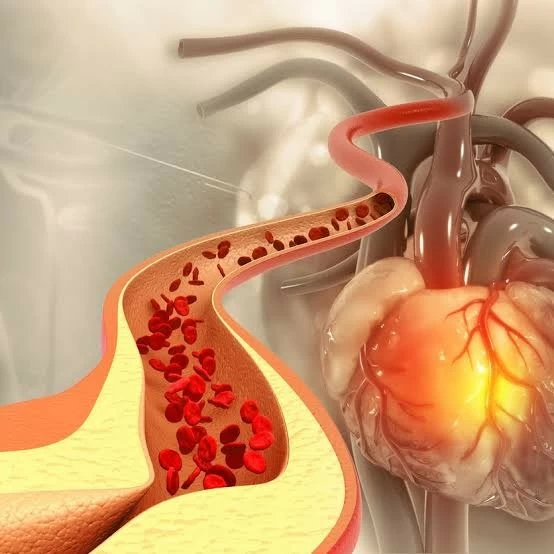
أظهرت دراسة علمية حديثة أن علاجًا تجريبيًا يعتمد على تعديل الجينات لمرة واحدة تمكن من خفض مستويات الكوليسترول بشكل كبير، مع استمرار التأثير لمدة عام بعد تلقي العلاج، في نتيجة قد تفتح الباب أمام استخدام تقنيات تعديل الجينات مستقبلًا لعلاج أمراض شائعة، وليس فقط الأمراض الوراثية النادرة.
وبحسب صحيفة نيويورك تايمز، أعلن العلماء أن المرضى الذين تلقوا أعلى جرعة من العلاج سجلوا انخفاضًا بنحو 50% في مستويات الكوليسترول، مع استمرار هذا الانخفاض طوال فترة المتابعة البالغة عامًا.
وعُرضت النتائج خلال مؤتمر الجمعية الأوروبية لأمراض القلب، كما نُشرت في مجلة «نيو إنجلاند الطبية».
ورغم النتائج المشجعة، لا تزال الدراسة في مراحلها الأولى، إذ شملت 15 مريضًا فقط، ما يجعل من المبكر اعتبار العلاج خيارًا متاحًا للمرضى، في وقت قد تستغرق فيه عملية تطويره واختبار سلامته وفعاليته سنوات.
تعديل الجينات بدل العلاج مدى الحياة
يقوم العلاج على فكرة إجراء تغيير دائم في الخلايا بدل الاعتماد على أدوية أو حقن يتعين استخدامها بصورة مستمرة لسنوات.
وقال طبيب القلب في كليفلاند كلينك وقائد الدراسة، الدكتور لوك لافين، إن أطباء القلب الوقائي اعتادوا علاج المرضى بصورة مزمنة، لكن إمكانية تقديم علاج لمرة واحدة قد تغير طريقة التعامل مع بعض أمراض القلب.
وتكتسب هذه الفكرة أهمية خاصة في ظل صعوبة التزام بعض المرضى بالعلاجات طويلة الأمد.
ورغم توافر أدوية متعددة لخفض الكوليسترول، تشير بيانات الدراسة إلى أن نحو نصف الأشخاص الذين يبدأون تناول أدوية الستاتين يوميًا يتوقفون عنها، فيما لا يبدأ بعض المرضى الذين يمكن أن يستفيدوا منها العلاج أصلًا.
كيف يعمل العلاج؟
تلقى المشاركون جرعة واحدة عن طريق التسريب الوريدي لجسيمات نانوية دهنية تحمل أدوات تعديل الجينات إلى الكبد.
وتستهدف هذه الأدوات جينًا يعرف باسم ANGPTL3، الذي يؤدي دورًا في استقلاب الكوليسترول والدهون داخل الجسم.
ويستند النهج إلى ملاحظات سابقة لأشخاص يحملون طبيعيًا نسخًا غير فعالة من هذا الجين، ويتمتعون عادة بمستويات منخفضة من الكوليسترول والدهون الثلاثية، مع انخفاض خطر الإصابة بأمراض القلب والأوعية الدموية.
ويحاول العلاج محاكاة هذه الحالة الطبيعية عبر تعطيل الجين لدى المرضى.
انخفاض «الكوليسترول الضار» والدهون الثلاثية
وكانت النتائج الأبرز لدى المرضى الأربعة الذين تلقوا أعلى جرعة، إذ انخفضت مستويات كوليسترول البروتين الدهني منخفض الكثافة (LDL)، المعروف بـ«الكوليسترول الضار»، إلى جانب الدهون الثلاثية، بنحو 50%، وظل الانخفاض مستقرًا بعد مرور عام.
وقال طبيب القلب بجامعة كولورادو، الدكتور أمروت أمبارديكار، إن جاذبية العلاج تتمثل في حصول المريض على جرعة واحدة بدل الحاجة إلى الالتزام بعلاج مستمر، لكنه شدد على أن السلامة طويلة الأمد لا تزال السؤال الأهم، خصوصًا مع صغر حجم الدراسات الحالية.
كما وصف طبيب القلب بجامعة بنسلفانيا، الدكتور كيران موسونورو، البيانات المتعلقة باستقرار التأثير بأنها مشجعة، لكنه أكد الحاجة إلى تجارب أكبر بكثير.
تجارب أخرى وخطوات مقبلة
ولا تعد هذه المحاولة الوحيدة لتوظيف تعديل الجينات في علاج ارتفاع الكوليسترول، ففي وقت سابق من العام، أظهرت تجربة سريرية أخرى شملت 35 مريضًا انخفاضًا ملحوظًا في مستويات LDL باستخدام أسلوب مختلف لتعديل الجينات.
وتشير النتائج إلى إمكانية توسع استخدام تقنيات تعديل الجينات مستقبلًا من علاج الأمراض الوراثية النادرة إلى أمراض شائعة مثل أمراض القلب، إلا أن الطريق لا يزال طويلًا قبل إثبات سلامة وفعالية هذه العلاجات على نطاق واسع.
ومن المقرر أن تشمل المرحلة التالية من الدراسة عشرات المرضى بحلول نهاية العام، على أن تليها مناقشات مع الجهات التنظيمية بشأن تجربة أكبر من المرحلة الثالثة.
وبسبب الأسئلة المتعلقة بسلامة تعديل الجينات واستمرار تأثيره، يخضع المشاركون في مثل هذه التجارب لمتابعة طويلة قد تصل إلى 15 عامًا.
ويرى الباحثون أن العلاج قد يصبح خيارًا محتملًا لبعض مرضى القلب في أوائل ثلاثينيات هذا القرن، إذا أثبتت الدراسات المقبلة سلامته وفعاليته واستمرارية تأثيره.
A recent scientific study has shown that a one-time gene-editing experimental treatment was able to significantly lower cholesterol levels, with the effects lasting for a year after receiving the treatment, a result that could pave the way for the future use of gene-editing techniques to treat common diseases, not just rare genetic disorders.
According to The New York Times, scientists announced that patients who received the highest dose of the treatment recorded a decrease of about 50% in cholesterol levels, with this decrease persisting throughout the one-year follow-up period.
The results were presented at the European Society of Cardiology conference and were also published in the New England Journal of Medicine.
Despite the encouraging results, the study is still in its early stages, as it included only 15 patients, making it premature to consider the treatment an available option for patients, at a time when the process of developing it and testing its safety and efficacy may take years.
Gene Editing Instead of Lifelong Treatment
The treatment is based on the idea of making a permanent change in the cells instead of relying on medications or injections that need to be used continuously for years.
Dr. Luke Laffin, a cardiologist at the Cleveland Clinic and the study's leader, stated that preventive cardiologists have been accustomed to treating patients chronically, but the possibility of providing a one-time treatment could change the approach to some heart diseases.
This idea is particularly important given the difficulty some patients have in adhering to long-term treatments.
Although multiple medications are available to lower cholesterol, study data indicate that about half of the people who start taking statins daily stop using them, while some patients who could benefit from the treatment do not start it at all.
How Does the Treatment Work?
Participants received a single dose via intravenous infusion of lipid nanoparticles that carry gene-editing tools to the liver.
These tools target a gene known as ANGPTL3, which plays a role in cholesterol and fat metabolism within the body.
The approach is based on previous observations of individuals who naturally carry non-functional copies of this gene and typically have low levels of cholesterol and triglycerides, along with a reduced risk of cardiovascular diseases.
The treatment attempts to mimic this natural condition by disabling the gene in patients.
Reduction of "Bad Cholesterol" and Triglycerides
The most notable results were seen in the four patients who received the highest dose, as levels of low-density lipoprotein (LDL) cholesterol, known as "bad cholesterol," along with triglycerides, decreased by about 50%, and the reduction remained stable after one year.
Dr. Amrut Ambardikar, a cardiologist at the University of Colorado, stated that the appeal of the treatment lies in the patient receiving a single dose instead of needing to commit to ongoing treatment, but he emphasized that long-term safety remains the most important question, especially given the small size of the current studies.
Dr. Kiran Musunuru, a cardiologist at the University of Pennsylvania, described the data regarding the stability of the effect as encouraging but confirmed the need for much larger trials.
Other Trials and Next Steps
This is not the only attempt to employ gene editing in the treatment of high cholesterol; earlier this year, another clinical trial involving 35 patients showed a significant decrease in LDL levels using a different gene-editing method.
The results suggest that the use of gene-editing techniques may expand in the future from treating rare genetic diseases to common diseases such as heart disease, but the road remains long before proving the safety and efficacy of these treatments on a large scale.
The next phase of the study is set to include dozens of patients by the end of the year, followed by discussions with regulatory agencies about a larger phase three trial.
Due to questions regarding the safety of gene editing and the persistence of its effects, participants in such trials are subjected to long-term follow-up that may last up to 15 years.
Researchers believe that the treatment could become a potential option for some heart patients in the early 2030s if upcoming studies prove its safety, efficacy, and lasting effects.