تتسع دائرة القلق في ولاية سينالوا المكسيكية مع انتقال أزمة الدودة الحلزونية الآكلة للأنسجة من الماشية إلى البشر، بعدما أكدت السلطات الصحية تسجيل 3 إصابات بشرية بالطفيل، وذلك بعد أكثر من شهر ونصف الشهر على رصد بؤرة للعدوى بين الحيوانات. ويثير ظهور الحالات البشرية مخاوف جديدة من اتساع نطاق انتشار المرض، خصوصًا في المناطق الريفية التي تشهد احتكاكًا مباشرًا بين السكان والماشية.
وأعلن منسق لجنة الوقاية من الحمى القلاعية والأمراض الحيوانية الغريبة في سينالوا دانيال فابيان سوسا تابيا تسجيل الإصابات البشرية في مناطق متفرقة من الولاية، من بينها أهومه، وفيلا أونيون، وإل روساريو. وأوضح أن المصابين يخضعون حاليًا للرعاية الطبية، في حين تواصل السلطات الصحية عمليات المتابعة والمراقبة في المناطق التي ظهرت فيها الإصابات، وفقًا لصحيفة «إل ديباتي» الإسبانية.
ما الدودة الحلزونية؟
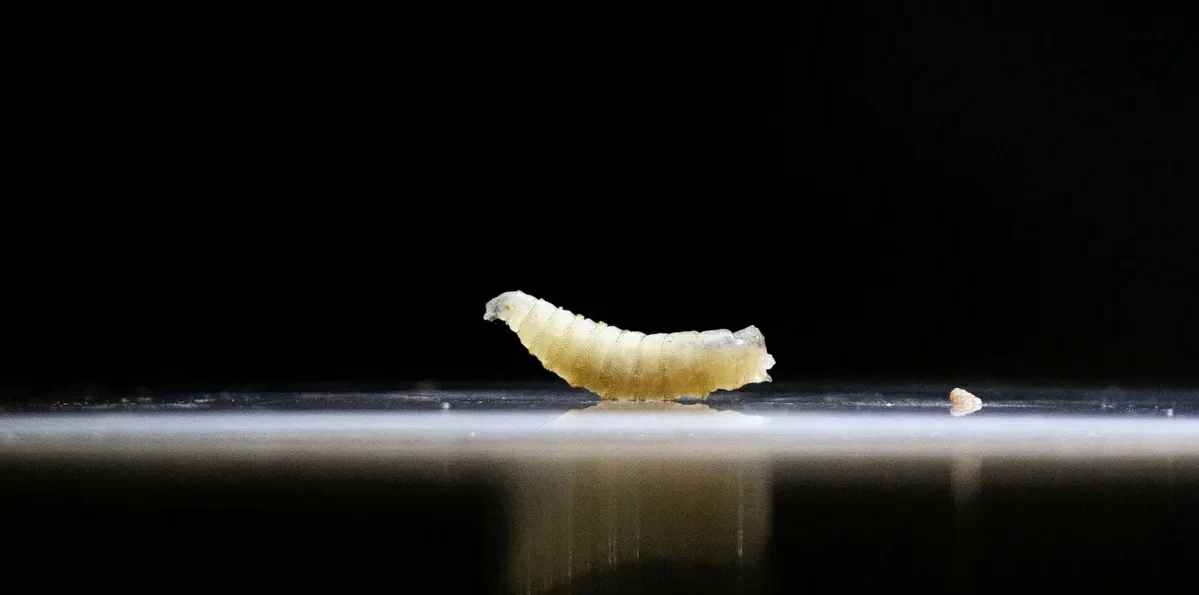
تعرف الدودة الحلزونية باسم «الدودة الآكلة للأنسجة»، وهي يرقات لذبابة تضع بيضها عادة داخل الجروح أو حولها. وبعد فقس البيوض، تبدأ اليرقات في التغذي على الأنسجة الحية، ما قد يؤدي إلى تلف شديد في موضع الإصابة إذا لم يتم اكتشاف العدوى وعلاجها في الوقت المناسب.
ويصيب هذا الطفيل الحيوانات بشكل رئيسي، لكنه يمكن أن يصيب البشر أيضًا، خصوصًا عند دخول اليرقات إلى الجروح المفتوحة. وتزداد خطورة الإصابة كلما تأخر اكتشافها، الأمر الذي يجعل التشخيص والعلاج المبكرين عاملين أساسيين للحد من المضاعفات.
109 إصابات بين الحيوانات
تأتي الإصابات البشرية الجديدة في وقت لا تزال فيه سينالوا تكافح انتشار الطفيل داخل قطاع الثروة الحيوانية. ووفق البيانات المتاحة، سجلت الولاية 109 حالات إيجابية بين الحيوانات، مع استمرار وجود إصابات نشطة تخضع للعلاج والمراقبة.
وأكد سوسا تابيا أن التعامل مع الوضع يتطلب تبني مفهوم «صحة واحدة»، الذي يقوم على الترابط الوثيق بين صحة الإنسان والحيوان والبيئة. وبحسب هذا النهج، لم تعد مواجهة انتشار الدودة الحلزونية مسؤولية القطاع البيطري والمربين وحدهم، بل أصبحت تستدعي تنسيقًا مباشرًا بين الجهات المعنية بصحة الإنسان والحيوان.
مخاوف من اتساع نطاق العدوى
وتتركز المخاوف حاليًا في المناطق الريفية، حيث يزداد الاحتكاك بين السكان والماشية، ما قد يرفع احتمالات انتقال الطفيل إلى البشر، لاسيما مع استمرار تسجيل إصابات بين الحيوانات.
The circle of concern is widening in the Mexican state of Sinaloa as the crisis of the flesh-eating screw-worm moves from livestock to humans, after health authorities confirmed three human infections with the parasite, following more than a month and a half of monitoring an infection outbreak among animals. The emergence of human cases raises new fears about the potential spread of the disease, especially in rural areas where there is direct contact between the population and livestock.
The coordinator of the Foot-and-Mouth Disease and Exotic Animal Diseases Prevention Committee in Sinaloa, Daniel Fabian Sosa Tapia, announced the registration of human infections in various regions of the state, including Ahome, Villa Unión, and El Rosario. He explained that the infected individuals are currently receiving medical care, while health authorities continue monitoring and surveillance operations in the areas where the infections have appeared, according to the Spanish newspaper "El Debate."
What is the screw-worm?
The screw-worm is known as the "flesh-eating worm," and it is the larvae of a fly that typically lays its eggs inside or around wounds. After the eggs hatch, the larvae begin to feed on living tissue, which can lead to severe damage at the site of infection if the infection is not detected and treated in a timely manner.
This parasite primarily affects animals, but it can also infect humans, especially when the larvae enter open wounds. The risk of infection increases the longer it goes undetected, making early diagnosis and treatment essential to reduce complications.
109 infections among animals
The new human infections come at a time when Sinaloa is still struggling to control the spread of the parasite within the livestock sector. According to available data, the state has recorded 109 positive cases among animals, with ongoing active infections under treatment and monitoring.
Sosa Tapia confirmed that addressing the situation requires adopting the concept of "One Health," which is based on the close interconnection between human, animal, and environmental health. According to this approach, combating the spread of the screw-worm is no longer solely the responsibility of the veterinary sector and breeders, but requires direct coordination among the entities concerned with human and animal health.
Concerns about the spread of infection
Current concerns are focused on rural areas, where contact between the population and livestock is increasing, which may raise the likelihood of the parasite transferring to humans, especially with ongoing reports of infections among animals.