في وقتٍ تتسابق فيه فرق الإنقاذ حول العالم للوصول إلى العالقين تحت الأنقاض في الكوارث الكبرى، يطوّر باحثون أستراليون تصورًا غير مألوف قد يغيّر قواعد العمل الميداني، عبر تحويل الصراصير إلى منصات آلية صغيرة قادرة على حمل كاميرات وأدوية وتنفيذ مهام دقيقة في أماكن يستحيل على البشر أو الروبوتات التقليدية دخولها.
ويأتي هذا التطور في ظل سيناريوهات إنقاذ معقدة قد تشمل عشرات أو حتى نحو 270 شخصًا في مواقع انهيارات واسعة، حيث يصبح الوصول إلى المصابين تحديًا بالغ الصعوبة.
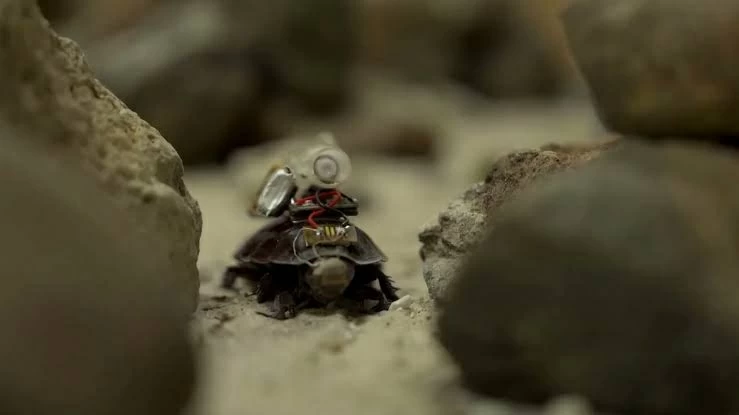
وتقوم الفكرة على تطوير ما يُعرف بالصراصير الآلية أو (السايبورغ)؛ وهي حشرات حقيقية تُزوّد بأجهزة إلكترونية خفيفة الوزن تسمح بالتحكم في حركتها عن بُعد. وقد نجح فريق من جامعة (كوينزلاند) بالتعاون مع مهندسين من جامعة (نيو ساوث ويلز) في تحويل الصرصور العملاق الحفار، الذي يعيش في شمال (كوينزلاند)، إلى منصة ميكانيكية دقيقة تحمل كاميرات وأقطابًا كهربائية وأنظمة حقن صغيرة يمكن تشغيلها لاسلكيًا.
وتتيح هذه الأنظمة تحفيز الجهاز العصبي للحشرة وتوجيهها داخل المساحات الضيقة، بحيث يمكن تخصيص مهام مختلفة ضمن سرب واحد؛ فبعض الصراصير يحمل كاميرات لتحديد مواقع العالقين وتصوير البيئة المحيطة، بينما تُزوّد أخرى بأنظمة حقن دقيقة قادرة على إيصال جرعات دوائية أولية إلى المصابين الذين يتعذر الوصول إليهم مباشرة. وبهذا، تتجاوز الفكرة حدود الاستشعار إلى تقديم استجابة طبية أولية في اللحظات الحرجة.
وتُظهر التجارب الأولية قدرة هذه الحشرات الآلية على تنفيذ عملية الحقن بنسبة نجاح بلغت 95% عند الاقتراب من الهدف لمسافة 15 سنتيمترًا، فيما وصلت نسبة النجاح في المهمة الكاملة، التي تشمل الملاحة والوصول إلى الموقع الصحيح، إلى 72%. ورغم أن التقنية لا تزال في مرحلة التطوير، فإن الباحثين يرون أنها قد تكون ذات قيمة كبيرة في البيئات الخطرة مثل انهيار المباني والزلازل والكهوف، حيث يصعب على فرق الإنقاذ الوصول إلى المصابين أو تحديد مواقعهم بدقة.
ويؤكد الباحثون أن اختيار الصراصير لم يأتِ من فراغ، إذ تتمتع هذه الحشرات بقدرة طبيعية على الحركة في المساحات الضيقة والتعامل مع العوائق والأسطح غير المستوية، وهي خصائص يصعب محاكاتها في روبوتات صغيرة تُبنى من الصفر. وتخضع الحشرات للتخدير أثناء تركيب الأجهزة، ويمكنها مواصلة حياتها بصورة طبيعية بعد إزالة المعدات المستخدمة في التجارب.
ويرى خبراء الإنقاذ أن هذه التقنية قد توسّع نطاق العمل الميداني، خصوصًا في الكوارث التي تضم أعدادًا كبيرة من المفقودين، إذ يمكن لسرب من الصراصير الآلية أن يدخل مناطق خطرة ويحدد مواقع المصابين ويقدم لهم مساعدة أولية ريثما تصل الفرق البشرية. ويأمل الباحثون أن تتطور هذه التكنولوجيا خلال السنوات المقبلة لتصبح جزءًا من منظومات الإنقاذ في حالات الطوارئ الحقيقية.
At a time when rescue teams around the world are racing to reach those trapped under the rubble in major disasters, Australian researchers are developing an unconventional concept that could change the rules of fieldwork by transforming cockroaches into small robotic platforms capable of carrying cameras and medications and performing precise tasks in areas that are impossible for humans or traditional robots to enter.
This development comes amid complex rescue scenarios that may involve dozens or even around 270 people in large collapse sites, where reaching the injured becomes an extremely challenging task.
The idea is based on developing what is known as robotic cockroaches or (cyborgs); these are real insects equipped with lightweight electronic devices that allow for remote control of their movement. A team from the University of Queensland, in collaboration with engineers from the University of New South Wales, has successfully transformed the giant burrowing cockroach, which lives in northern Queensland, into a precise mechanical platform that carries cameras, electrodes, and small injection systems that can be operated wirelessly.
These systems allow for the stimulation of the insect's nervous system and direct it within tight spaces, enabling different tasks to be assigned within a single swarm; some cockroaches carry cameras to locate the trapped individuals and photograph the surrounding environment, while others are equipped with precise injection systems capable of delivering initial medication doses to those who cannot be reached directly. In this way, the concept goes beyond sensing to provide initial medical responses in critical moments.
Initial experiments show that these robotic insects have a success rate of 95% in performing the injection when approaching the target within 15 centimeters, while the success rate for the complete task, which includes navigation and reaching the correct location, is 72%. Although the technology is still in the development phase, researchers believe it could be highly valuable in hazardous environments such as building collapses, earthquakes, and caves, where rescue teams find it difficult to reach or accurately locate the injured.
Researchers emphasize that the choice of cockroaches was not arbitrary, as these insects have a natural ability to move in tight spaces and deal with obstacles and uneven surfaces, characteristics that are difficult to replicate in small robots built from scratch. The insects are anesthetized during the installation of the devices and can continue their lives normally after the equipment used in the experiments is removed.
Rescue experts believe that this technology could expand the scope of fieldwork, especially in disasters involving large numbers of missing persons, as a swarm of robotic cockroaches could enter dangerous areas, identify the locations of the injured, and provide them with initial assistance until human teams arrive. Researchers hope that this technology will evolve over the coming years to become part of rescue systems in real emergency situations.